Table of Contents 9 sections
Are you looking to enter the lucrative but competitive world of athletic equipment on Amazon? With the global fitness market continuing to expand, countless sellers are vying for a piece of the action. To succeed, you must move beyond simply finding a product and instead adopt a strategic approach to product comparison, sourcing, and marketing. A deep analysis of what differentiates a winning product from a market flop is the first step toward building a profitable 7 or 8 figure brand.
To successfully sell Amazon FBA equipment for athletes: what sellers should compare are five key areas: product quality standards, supplier reliability, potential profit margins, market demand versus competition, and the total cost of FBA logistics. A thorough evaluation of these factors before investing capital is crucial for mitigating risk and identifying products with a high probability of success. This guide provides a framework for making these critical comparisons in 2026.
Understanding the Athletic Equipment Market on Amazon
The athletic equipment category on Amazon is a dynamic and ever-growing space. As of 2026, it encompasses everything from basic yoga mats and resistance bands to sophisticated smart home gym systems and specialized sports gear. The customer base is equally diverse, ranging from beginners setting up a home workout space to semi-professional athletes seeking specific training aids. Understanding this landscape is fundamental to positioning your brand for success.
Success in this market requires more than just listing a product. It demands a keen awareness of current fitness trends, material innovations, and the specific pain points of your target audience. The competition is fierce, with established brands and new sellers constantly entering the market. Therefore, differentiation through quality, branding, or by serving a specific niche is not just an advantage, it is a necessity for long-term growth and profitability.
Key Criteria for Comparing Amazon FBA Athletic Equipment
Before investing in inventory, a systematic comparison of potential products is essential. This process involves evaluating several critical factors that collectively determine a product's viability and profit potential. Rushing this stage is a common mistake that leads to slow-moving inventory and financial losses. A disciplined approach ensures you are making a data-driven decision, not an emotional one.
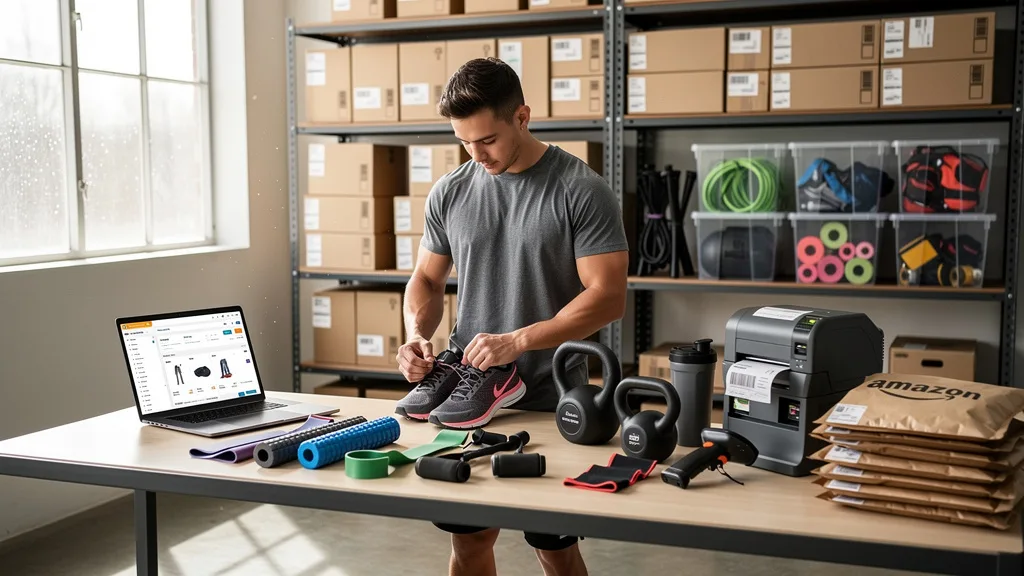
Each potential product should be scored against a consistent set of criteria. This creates an objective framework for comparison, helping you identify the true opportunities. The following sections break down the most important factors to analyze, from the physical product itself to the financial and logistical realities of selling it on the Amazon FBA platform.
Product Quality and Durability Standards
For athletic equipment, quality is non-negotiable. Customers use these products to support their health and performance, and they expect them to be safe, effective, and durable. A product that fails, breaks, or wears out prematurely will inevitably lead to negative reviews, high return rates, and damage to your brand's reputation. When comparing options, scrutinize the materials used, the manufacturing process, and any available quality certifications.
Look for products made with robust materials designed to withstand repeated use. For example, compare resistance bands made from natural latex versus cheaper synthetic materials. Ask potential suppliers for detailed specification sheets and evidence of their quality control processes. Investing in a higher-quality product upfront often results in a much higher return on investment through customer satisfaction and repeat business.
Supplier Reliability and Manufacturing Costs
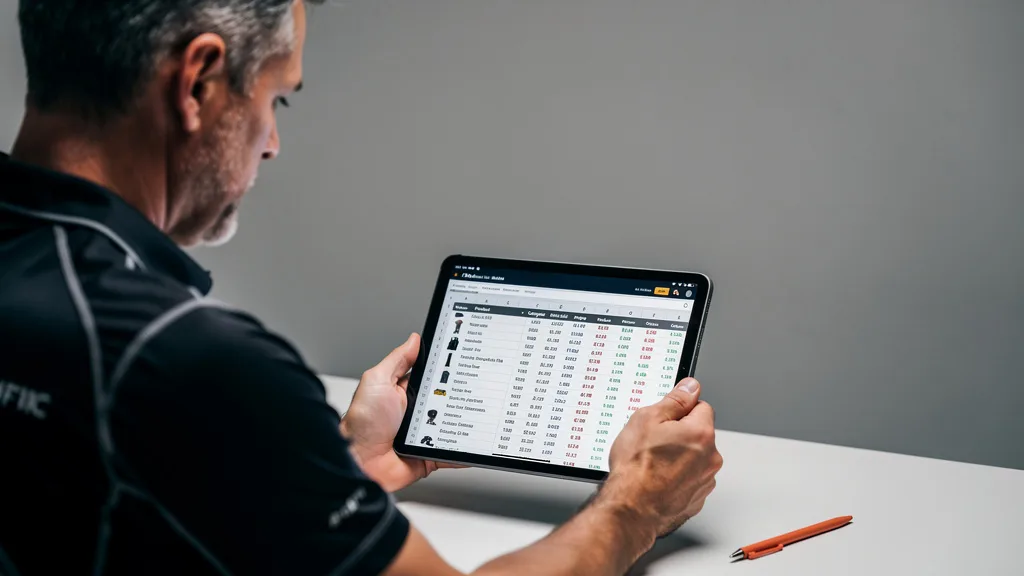
Your supplier is your partner in business, and their reliability directly impacts your ability to operate. When comparing suppliers, consider their communication responsiveness, production lead times, and their willingness to work with you on quality control. A low-cost supplier who is unreliable can cost you more in the long run through stockouts and defective inventory. It's wise to use a tool to compare database entries for different suppliers to keep track of their metrics.
Manufacturing cost is a major factor, but it should never be the only one. Request quotes from multiple suppliers to get a baseline for your product category. Be wary of quotes that are significantly lower than the average, as this can be a red flag for poor quality or unethical practices. Always factor in the cost of shipping, import duties, and Amazon's fees to understand your true landed cost per unit.
Profit Margins and Potential ROI
A successful FBA product must have a healthy profit margin after all costs are accounted for. Your goal is to find a product with a strong balance between a competitive selling price and a low enough landed cost. A typical target for many sellers is a net profit margin of 25% or higher, but this can vary depending on the product's price point and sales volume. Use a spreadsheet to model your potential profitability accurately.
Your calculation must include the cost of goods, shipping and import fees, Amazon referral fees, FBA fulfillment fees, and storage costs. You also need to budget for marketing, particularly Amazon PPC campaigns, which are essential for gaining initial visibility. Analyzing these numbers will help you forecast your potential Return on Investment (ROI) and determine if a product is financially viable for your business goals.
Market Demand and Competition Analysis
A high-quality product with great margins will not sell if there is no demand for it. Use product research tools like Jungle Scout or Helium 10 to analyze the market demand. Look for products with consistent, high search volume from relevant keywords and a healthy number of monthly sales among the top competitors. Avoid fad products with demand spikes that are likely to disappear quickly.
Simultaneously, you must assess the level of competition. A market dominated by a few major brands with thousands of reviews can be extremely difficult to penetrate. Instead, look for markets with several successful sellers but no single dominant player. Analyze their listings, reviews, and pricing to identify weaknesses you can exploit, such as poor product quality, weak branding, or unaddressed customer needs mentioned in their negative reviews.
Shipping Logistics and FBA Fees
The size and weight of athletic equipment can have a massive impact on your profitability due to Amazon's fee structure. Large, heavy items fall into oversized tiers, which come with significantly higher FBA fulfillment and monthly storage fees. Before committing to a product, use Amazon's FBA Revenue Calculator to get a precise estimate of your fees.
Compare a small, lightweight item like a jump rope to a bulky item like a weight bench. The logistical costs and storage considerations are vastly different. Understanding the full scope of Amazon FBA fees is crucial. Sometimes, a product that seems profitable on paper becomes unviable once the high costs associated with its size and weight are factored in. Prioritize products that fit within standard size tiers whenever possible to maximize your margins.
How to Identify Winning Product Opportunities in 2026
Product research is both an art and a science. It involves using powerful data tools combined with an intuitive understanding of market trends and consumer psychology. The goal is not just to find a product, but to find a market gap where you can provide a superior solution and build a defensible brand. In 2026, relying on outdated methods is a recipe for failure; a modern, multi-faceted approach is required.
Successful sellers identify opportunities by looking where others don't. This could mean digging deeper into sub-niches, analyzing customer reviews for unmet needs, or spotting emerging trends before they become mainstream. The following strategies provide a roadmap for uncovering these profitable product ideas in the competitive athletic equipment space.
Leveraging Keyword Research Tools
Keyword research tools are the foundation of modern product discovery on Amazon. Tools like Helium 10's Black Box or Jungle Scout's Opportunity Finder allow you to filter Amazon's entire product catalog based on criteria like monthly revenue, price, review count, and sales trends. This data-driven approach helps you move beyond guesswork and identify niches with proven demand and manageable competition.
Start with broad keywords like "home gym equipment" and then drill down into more specific, long-tail keywords like "adjustable kettlebell for small apartments." These longer phrases often have less competition and indicate a more specific buyer intent. Analyzing keyword volume and seasonality can also help you anticipate demand cycles and plan your inventory and marketing efforts accordingly.
Analyzing Competitor Best-Sellers
Your competitors are a valuable source of market intelligence. Deeply analyze the top 10-20 listings for any product you are considering. Scrutinize their titles, bullet points, images, A+ Content, and pricing strategies. Read their customer reviews, especially the 3-star and 4-star ones, as these often contain a wealth of information about a product's shortcomings and potential areas for improvement.
This process is similar to how you might compare different product lines in a store to find the best value. Can you offer a more durable version? A better color selection? A bundle with a complementary accessory? Identifying a clear point of differentiation is key to creating a compelling offer that can steal market share from established players.
Spotting Niche Trends and Sub-Categories
The broadest categories like "dumbbells" or "treadmills" are often saturated. The real opportunities in 2026 lie in niche trends and underserved sub-categories. Think about the rise of pickleball, the growing popularity of functional fitness, or the demand for eco-friendly workout gear. Staying on top of trends through fitness magazines, social media, and industry reports can give you a first-mover advantage.
"The secret to scaling on Amazon isn't about finding a 'hot' product. It's about identifying a specific customer group with a problem and creating the perfect product solution for them. Niche focus builds brands that last."
Consider sub-categories like adaptive athletic equipment for individuals with disabilities, portable equipment for travelers, or high-performance gear for a specific sport like rock climbing. These smaller markets often have less competition and more passionate, loyal customers. Serving a niche effectively allows you to build a strong brand identity and command premium prices.
Sourcing and Vetting Your Equipment Suppliers
Once you have identified a promising product opportunity, the next critical phase is finding a reliable manufacturer. The quality of your product and the stability of your supply chain depend entirely on this relationship. This process requires diligence, clear communication, and a commitment to verifying quality before placing a large order.
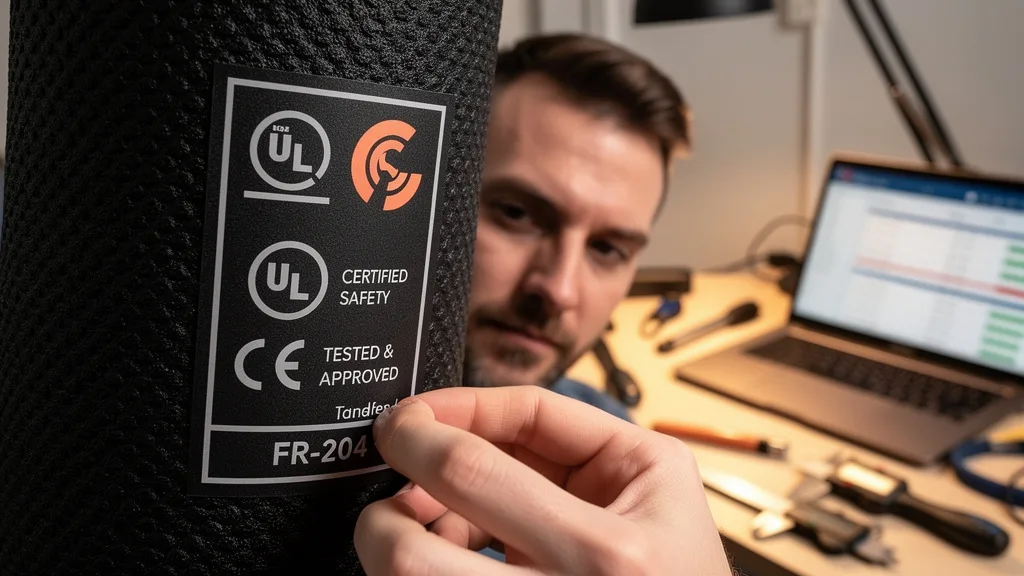
Rushing to the cheapest supplier is a classic mistake that can derail your business before it even starts. A thorough vetting process will save you immense headaches and financial loss down the road. Treat this as a partnership-building exercise, looking for suppliers who are invested in quality and long-term collaboration.
Finding Manufacturers and Wholesalers
The most common platform for sourcing products from overseas is Alibaba, a massive B2B marketplace connecting sellers with manufacturers, primarily in Asia. When using Alibaba, look for suppliers with several years of experience, positive ratings, and trade assurance protection. Other valuable resources include global trade shows, which allow you to meet suppliers in person, and sourcing agents who can help you navigate the process.
For domestic sourcing in the US, platforms like Thomasnet and Maker's Row can connect you with American manufacturers. While often more expensive, domestic sourcing can offer benefits like faster shipping times, easier communication, and potentially higher quality control. Evaluate both options to see which best fits your product, budget, and brand strategy.
Requesting Samples and Performing Quality Checks
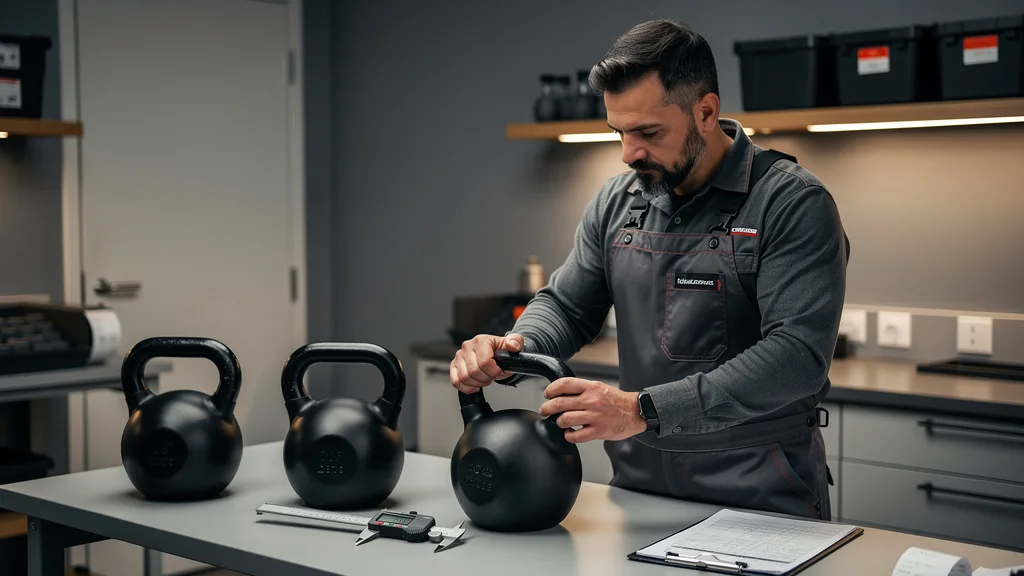
Never place a bulk order without first obtaining and thoroughly inspecting a product sample. This is the most critical step in the vetting process. When the sample arrives, put it through rigorous testing. For athletic equipment, this means using it as a customer would. Stretch the resistance bands, lift the weights, assemble the equipment. Check for any defects in materials, construction, or packaging.
If possible, order samples from your top 3-4 potential suppliers to compare them side-by-side. Document any issues with photos and videos and provide clear feedback to the suppliers. A good supplier will be willing to work with you to address these issues. This quality check phase ensures that the final product you sell to customers meets your brand's standards and customer expectations.
Negotiating Minimum Order Quantities (MOQs)
Manufacturers typically have a Minimum Order Quantity (MOQ), which is the smallest number of units they are willing to produce in a single run. For new sellers, a high MOQ can be a significant barrier, tying up a large amount of capital in inventory. However, MOQs are often negotiable, especially once you have started to build a relationship with a supplier.
When you first contact a supplier, you can ask if they are willing to accept a smaller trial order. Explain that you want to test the market before committing to a larger volume. Some suppliers will agree, though perhaps at a slightly higher per-unit price. Negotiating a lower MOQ reduces your upfront financial risk and allows you to validate your product idea with real customer sales before scaling up.
Navigating Amazon's Policies for Athletic Gear
Selling on Amazon requires strict adherence to their extensive list of policies and guidelines. The Sports & Outdoors category, where most athletic equipment falls, has specific rules that sellers must follow. Failure to comply can result in listing suppression, account suspension, or the disposal of your inventory. It is your responsibility to understand and follow these rules from day one.
These policies are in place to ensure a safe and trustworthy marketplace for customers. While they can sometimes seem complex, they are a crucial part of operating a legitimate and sustainable business on the platform. Proactively managing compliance is far easier than reacting to a policy violation notice from Amazon.
Understanding Category Restrictions and Ungating
While the main Sports & Outdoors category is open to most sellers, certain sub-categories may be restricted or "gated." This means you need to apply for approval from Amazon before you can list products in that category. This often involves providing invoices from your supplier, proof of business registration, and sometimes safety certifications.
Before sourcing a product, check its specific sub-category for any gating requirements. Information on sports and outdoors gear eligibility can often be found within Seller Central's help pages. The ungating process is designed to ensure that sellers are legitimate and that their products are authentic and safe. Having your documentation in order before you apply will streamline the approval process.
Adhering to Safety and Certification Requirements
Many types of athletic equipment are subject to specific safety standards and certification requirements. For example, items like protective gear, helmets, or children's exercise equipment may need to meet standards set by organizations like the Consumer Product Safety Commission (CPSC) or ASTM International. It is crucial to work with a supplier who can provide the necessary documentation and test reports to prove compliance.
Selling a non-compliant product is a massive liability for your business. Amazon regularly requests these safety documents from sellers, and if you cannot provide them, your listing will be removed. Always confirm the specific requirements for your product in your target marketplace (e.g., US, UK, EU) and ensure your supplier can meet them before placing an order.
Optimizing Your Product Listings to Attract Athletes
Once your product is sourced and compliant, success hinges on your ability to market it effectively. Your Amazon product listing is your digital storefront, and it needs to be optimized to attract, inform, and convert shoppers. This involves a combination of persuasive copywriting, high-quality visuals, and a strategy for building social proof.
A well-optimized listing not only improves your conversion rate but also helps your product rank higher in Amazon's search results, driving more organic traffic. Treat your listing as a dynamic asset that you continuously test and improve based on customer feedback and performance data.
Crafting Compelling Titles and Bullet Points
Your product title is the most important piece of real estate on your listing. It should include your main keywords, your brand name, and the most critical features and benefits of your product. Think about what a customer would type into the search bar and ensure those terms are present. A strong title grabs attention and tells the shopper that your product is relevant to their search.
Your bullet points should expand on the title, highlighting the top five benefits and features. Don't just list specifications; explain how each feature benefits the customer. Use benefit-driven language that speaks to the athlete's goals, whether it's building strength, improving flexibility, or recovering faster. Integrating insights from the latest trends in AI in Sponsored Ads can also help you identify high-converting phrases and keywords to include in your copy.
Using High-Quality Images and A+ Content
On Amazon, customers cannot touch or feel your product, so your images must do the selling. Your image stack should include high-resolution studio shots on a pure white background, lifestyle images showing the product in use, infographics calling out key features, and comparison charts. Video is also incredibly powerful for demonstrating how a piece of equipment works.
For brand-registered sellers, A+ Content (formerly Enhanced Brand Content) is a must. This feature allows you to use an enhanced layout with additional images and formatted text on your product detail page. Use A+ Content to tell your brand story, dive deeper into product features, and overcome potential customer objections. It is a proven tool for increasing traffic and conversion rates.
Gathering Reviews and Building Social Proof
Product reviews are the lifeblood of an Amazon business. They provide the social proof that new customers rely on to make a purchasing decision. A new product with zero reviews will struggle to gain traction. Therefore, having a strategy to generate your first reviews is critical for a successful launch. The best way to start is by enrolling your product in the Amazon Vine program.
Amazon Vine invites the most trusted reviewers on Amazon to post opinions about new and pre-release items. This can help you get up to 30 high-quality reviews quickly. Additionally, you can use Amazon's "Request a Review" button in Seller Central and provide excellent customer service to encourage organic reviews from satisfied buyers. Never violate Amazon's policies by incentivizing or manipulating reviews.
Key Takeaways
Scaling a successful athletic equipment brand on Amazon FBA in 2026 requires a strategic and data-driven approach. Here are the key takeaways to guide your journey:
- Prioritize Data-Driven Comparison: Before investing, rigorously compare potential products based on quality, supplier reliability, profit margins, market demand, and FBA logistics. This analytical foundation minimizes risk.
- Niche Down to Stand Out: The broader athletic equipment market is saturated. Identify and serve a specific sub-niche with a differentiated, high-quality product to build a defensible brand.
- Supplier Vetting is Non-Negotiable: Your supplier is your partner. Thoroughly vet them, always test samples, and negotiate terms that align with your business goals. A reliable supplier is as valuable as a great product.
- Master Compliance and Logistics: Understand and adhere to all of Amazon's category restrictions and safety requirements. Accurately calculate FBA fees to ensure your product remains profitable, especially if it's large or heavy.
- Optimize Listings for Conversion: Your product listing is your most important marketing asset. Invest in professional-quality images, benefit-driven copy, A+ Content, and a proactive strategy to generate early reviews.
Frequently Asked Questions
What is a good profit margin for athletic equipment on FBA?
A good target net profit margin for athletic equipment on Amazon FBA is typically between 20% and 30%. This is the profit left after all costs, including the cost of goods, shipping, import duties, Amazon referral fees, FBA fulfillment fees, storage, and advertising spend. Products with strong branding or unique features may achieve higher margins.
It is crucial to calculate this accurately for each potential product before investing. A lower margin might be acceptable for a very high-volume product, but for most new sellers, aiming for at least 20% provides a healthy buffer to absorb unexpected costs and reinvest in growth.
Are there any athletic equipment categories to avoid selling?
New sellers should be cautious with categories that are heavily saturated with dominant brands, such as basic yoga mats or simple dumbbells. It's also wise to avoid products that are extremely large and heavy, as the FBA fees can destroy your margins. Items with complex electronics or high safety liability, like certain types of climbing gear or trampolines, can also be risky without significant expertise and proper certifications.
Additionally, avoid products that are easily breakable or have a high potential for customer misuse, as this can lead to high return rates and negative reviews. Focus on niches where you can add value and the logistical and compliance hurdles are manageable.
How much capital do I need to start selling athletic gear?
The starting capital required can vary widely, but a realistic budget for a first product launch in 2026 is typically between $10,000 and $20,000. This amount covers inventory costs (including a potentially high MOQ), shipping and import fees, product photography, initial marketing spend (PPC), and various Amazon fees.
While it's possible to start with less, especially with a very low-cost product, having sufficient capital is crucial. It allows you to place a meaningful inventory order, run effective launch campaigns, and absorb the initial costs before your product starts generating consistent revenue.
Do I need to create a brand or can I sell generic products?
While you can technically sell generic, unbranded products, it is highly discouraged in 2026. The Amazon marketplace is too competitive for generic items to succeed long-term. Creating a brand, even a simple one to start, is essential for differentiation, building customer trust, and enabling access to powerful tools like A+ Content and Brand Analytics.
Branding allows you to tell a story, connect with a specific audience, and justify a premium price. It is your best defense against price wars and copycat sellers. Investing in a brand from day one is a foundational step toward building a sustainable and scalable asset.
What are the most common mistakes new sellers make in this niche?
The most common mistakes include insufficient product research, choosing a product based on passion rather than data, and underestimating costs. Many new sellers fail to properly calculate all FBA fees and advertising expenses, leading to poor or negative profit margins. Another major error is neglecting quality control by not ordering and testing samples before placing a large order.
Finally, having a poor launch strategy is a frequent pitfall. Simply listing a product and hoping for sales is not effective. A successful launch requires a coordinated plan involving PPC advertising, review generation strategies like Amazon Vine, and fully optimized listing content.
Conclusion
Successfully launching and scaling an athletic equipment brand on Amazon FBA is a challenging yet rewarding venture. The key to rising above the competition is a meticulous and strategic approach to product selection. By thoroughly comparing potential products across quality, cost, market demand, and logistics, you lay the groundwork for a profitable business. Remember that your goal is not just to sell a product, but to build a brand that athletes trust. This 2026 guide provides the framework, but your diligence in executing these steps will ultimately determine your success.
If you are a 7-figure brand owner ready to scale to the next level but are unsure which product opportunities to pursue or how to optimize your current catalog, a professional audit can provide clarity. We specialize in identifying high-growth opportunities and implementing profit-first strategies for ambitious Amazon sellers. Get a comprehensive Free Audit today to uncover the hidden potential in your brand.