Table of Contents 9 sections
Are you navigating the complexities of selling sports equipment on Amazon and finding that the usual rules don't quite apply? The Sports & Outdoors category is a high-opportunity space, but it comes with unique challenges that can quickly erode the margins of even experienced sellers. From oversized item fees and seasonal inventory management to strict safety compliance, success requires a specialized approach.
To meet Amazon FBA eligibility for sports and outdoors gear, you must navigate specific product safety certifications, manage complex FBA fees for standard and oversize items, and plan for high return rates and seasonal demand. Unlike simpler products, sports equipment often faces hazmat reviews, brand gating, and dimensional weight pricing, which require meticulous unit economic calculations and inventory planning for better profitability.
What Are the General Requirements for Amazon FBA Eligibility?
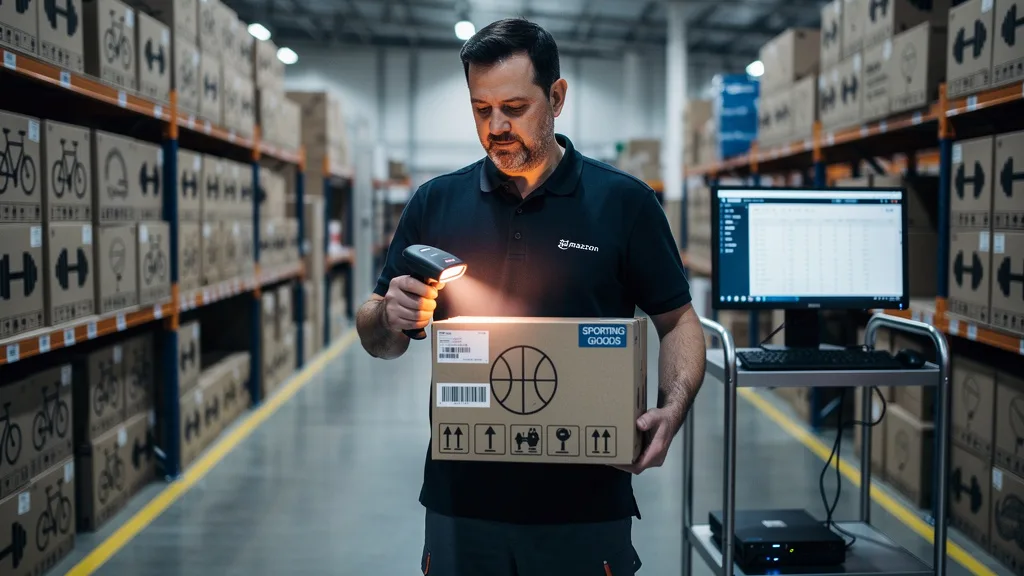
Before diving into the specifics of the sports category, it's essential to have a firm grasp of the foundational FBA requirements. At a minimum, you need a Professional Seller Account to utilize FBA services. Every product you send to Amazon's fulfillment centers must be properly prepped, packaged, and labeled according to their strict guidelines. This includes having a scannable barcode (like a UPC or FNSKU) and ensuring your packaging can withstand the rigors of warehouse handling and shipping.
Beyond packaging, Amazon maintains a long list of restricted products that are either prohibited from FBA or require special approval. It is your responsibility as the seller to ensure your products comply with all applicable laws and Amazon's policies. This includes everything from the product itself to its listing details and claims. Failure to meet these basic requirements can result in inventory refusal, disposal at your expense, or even account suspension, making it critical to get the fundamentals right from the start.
Why Sports Equipment Behaves Differently on Amazon
The Sports & Outdoors category is not like selling books or kitchen gadgets. These products often have characteristics that create unique challenges within the FBA system. Many items, from yoga mats and golf bags to kayaks and home gym equipment, are bulky or heavy, pushing them into expensive oversize shipping tiers. This single factor can completely change your unit economics compared to smaller, lighter products.
Furthermore, seasonality plays a massive role. Skis sell in the fall and winter, while pool floats and baseball gloves peak in the spring and summer. This demand curve requires sophisticated inventory planning to avoid costly long-term storage fees on unsold seasonal stock. On top of that, return rates are often higher due to issues with size, fit, and customer expectations, especially with apparel and protective gear. An unclear sizing chart for a bicycle helmet or compression shorts can lead to a flood of returns, each one chipping away at your profit margin.
"The sports category punishes loose planning. A SKU that works well in a standard size tier can become unprofitable overnight if a packaging change pushes it into oversize. Your margin disappears in FBA fees and returns if you haven't modeled every cost, from dimensional weight to the expense of processing a customer return for a 'wrong size' complaint."
Calculating Unit Economics: FBA Fees for Sports Gear
Profitability on Amazon hinges on a deep understanding of your unit economics, and for sports equipment, FBA fees are the most significant variable. Unlike many other categories, you can't rely on simple fee calculators. You must account for the unique physical attributes of your products, their sales velocity, and their return profile to get an accurate picture of your potential profit. Many sellers get this wrong and wonder why a popular product is losing money.
Accurately calculating your costs requires a line-by-line analysis of Amazon's fee structure as it applies to your specific items. This includes fulfillment fees, monthly and long-term storage fees, and often overlooked costs related to returns and inventory removal. Getting this right is the difference between scaling a profitable brand and running a high-volume, low-margin business that struggles to stay afloat.
Standard vs. Oversize Tier Costs
The single most important factor in your FBA fee structure is the size tier of your product. Amazon classifies items into various standard and oversize tiers, and the cost difference is substantial. A product tipping from the largest standard size into the smallest oversize tier can see its fulfillment fee double or even triple. Sports equipment like baseball bats, hockey sticks, and even some larger backpacks frequently fall into oversize categories.
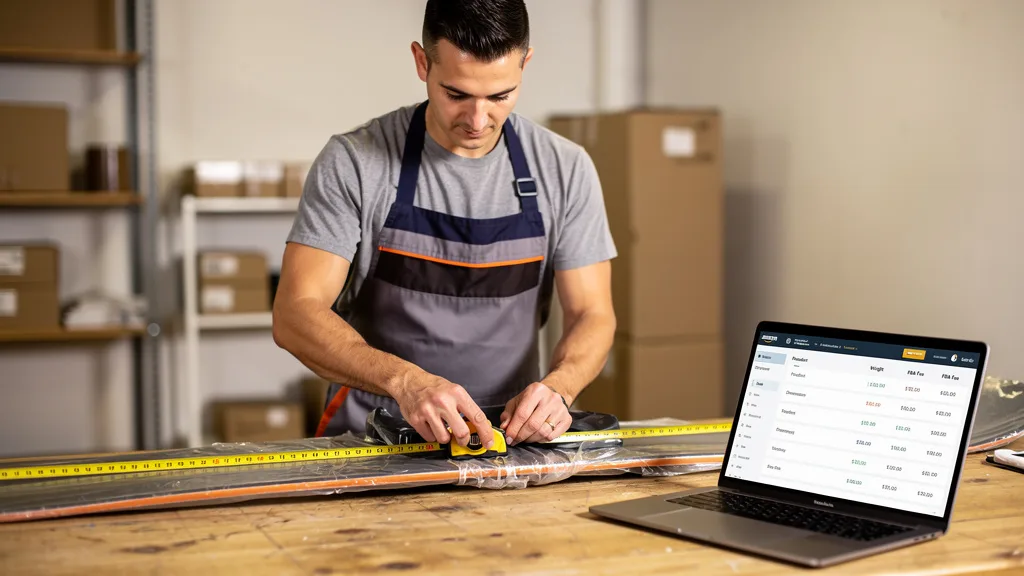
It is crucial to know the exact dimensions and weight of your product in its final packaged form. Amazon uses the greater of the unit weight or the dimensional weight to calculate shipping fees for large items, a detail many sellers miss. Meticulous measurement and strategic packaging design can sometimes keep a product in a standard tier, saving you thousands of dollars in fees over the product's lifecycle.
| Metric | Standard Size Example (Yoga Block) | Oversize Example (Yoga Mat) |
|---|---|---|
| Product Dimensions | 9 x 6 x 4 inches | 24 x 6 x 6 inches |
| Size Tier | Large Standard-Size | Small Oversize |
| Estimated FBA Fee | $4.50 | $9.75 + per/lb fees |
| Monthly Storage (per cu. ft.) | $0.87 (Jan-Sep) | $0.56 (Jan-Sep) |
Long-Term Storage Fees for Seasonal Stock
Seasonal demand is a double-edged sword for sports equipment sellers. While peak season can bring a surge in sales, the off-season can leave you with dormant inventory sitting in Amazon's warehouses. If that inventory remains for more than 180 days, you will be hit with aged inventory surcharges, also known as long-term storage fees. These fees are charged per cubic foot and can quickly accumulate, turning profitable stock into a liability.
Effective inventory management is key to avoiding these penalties. This involves accurately forecasting demand, planning your manufacturing and shipping schedules to align with your peak selling season, and having a strategy to clear out excess stock before fees kick in. This might include running promotions, using Amazon's outlet deals, or creating liquidation orders. Understanding the latest Amazon FBA fee structure is non-negotiable for managing seasonal products.
The Hidden Costs of Processing Returns
The Sports & Outdoors category often sees higher-than-average return rates. Apparel doesn't fit, protective gear feels uncomfortable, or the color of a dumbbell set doesn't match the customer's home gym. Each return comes with costs that are not always obvious. Amazon charges a returns processing fee for many categories, and even if the fee is waived, you still lose the original fulfillment fee you paid to ship the item.
Beyond Amazon's fees, you have the cost of the returned unit itself. If the customer opens the package, the item can no longer be sold as new. It may be marked as 'unsellable' and require you to pay to have it returned or disposed of. Even if it is returned to your inventory, you risk a future customer receiving a product with damaged packaging, leading to a negative review. Factoring a realistic return rate and its associated costs into your initial profit calculations is essential.
Navigating Compliance and Product Restrictions for Sports Products
Selling in the Sports & Outdoors category means navigating a maze of compliance regulations and product restrictions that don't apply to simpler items. Amazon holds sellers to a high standard to ensure customer safety, and this is especially true for products used in physical activity. Failing to provide the required documentation or selling a restricted item can lead to immediate listing suppression and potential legal liability.
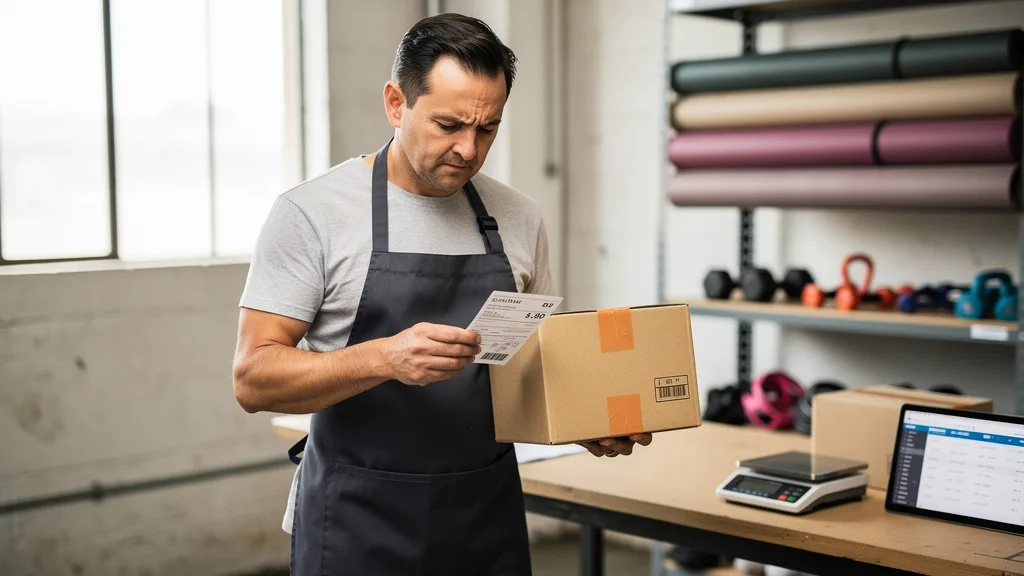
From safety certifications for protective gear to hazmat reviews for items with batteries or aerosols, you must be proactive in your compliance efforts. This involves researching the specific requirements for your product type before you even place an order with a supplier. Assuming your product is fine because you see similar items on Amazon is a recipe for disaster. Diligent research and documentation are your best defense.
Product Safety and Certification Documents
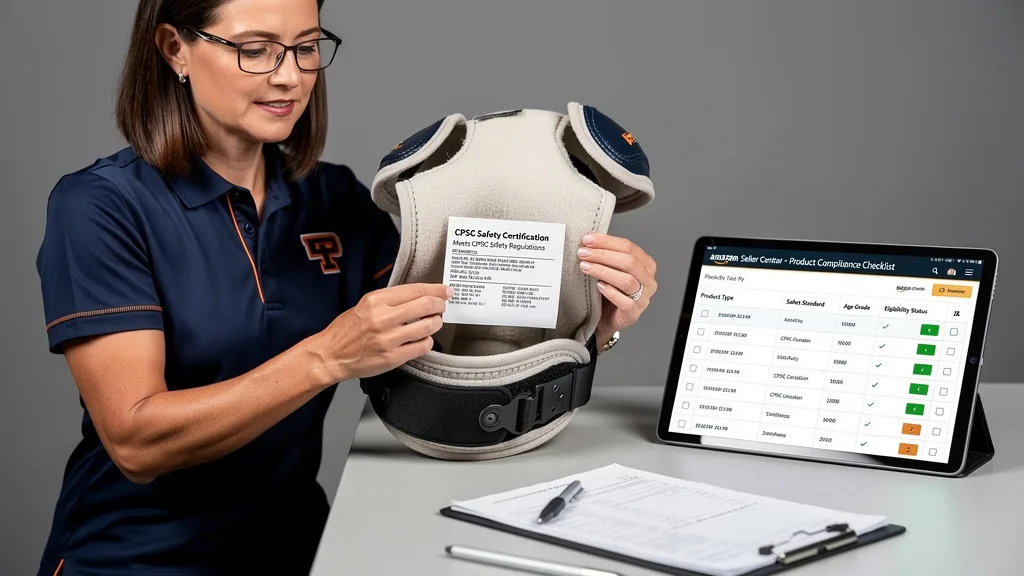
Many types of sports equipment, particularly anything intended for children or designed for protection, require specific safety testing and certification. For example, children's bicycle helmets sold in the U.S. must meet standards set by the Consumer Product Safety Commission (CPSC) and be accompanied by a Children's Product Certificate (CPC). Other items like protective padding, climbing gear, or life vests may have their own industry-specific standards.
Amazon can request these documents at any time, and you must be able to produce them promptly. This means you need to work with reputable suppliers who conduct proper testing and can provide you with all necessary reports and certificates. Attempting to sell products without the correct documentation is a significant risk that can lead to your listings being permanently removed. For more information, sellers can consult official sources like the U.S. Consumer Product Safety Commission website.
Understanding Hazmat (Hazardous Materials) Reviews
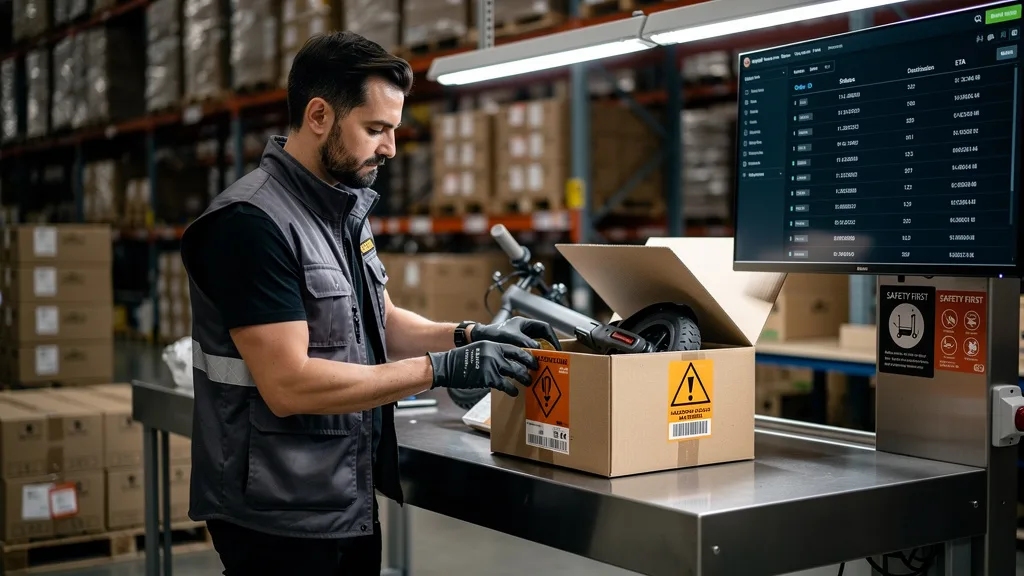
You might not think of your sports product as a hazardous material, but Amazon's definition is very broad. Any product that contains batteries (like fitness trackers or electronic skateboards), is an aerosol (like cleaning sprays or ball pumps with CO2 cartridges), or contains flammable chemicals can be flagged for a hazmat review. This review process can delay your inventory from becoming available for sale for days or even weeks.
To navigate this, you should proactively upload a Safety Data Sheet (SDS) or an exemption sheet for your product as soon as you create the listing. If your product doesn't contain any harmful components, an exemption sheet will help it clear the review process faster. Being prepared with the right documentation is crucial to avoiding long, frustrating delays in getting your product to customers.
Brand and Category Gating Restrictions
The Sports & Outdoors category contains many of the world's most recognizable brands, like Nike, Adidas, and Under Armour. Amazon heavily restricts the sale of these and many other major brands to protect against counterfeits. If you plan to resell branded goods, you will likely need to provide invoices directly from the manufacturer or authorized distributors to get approval, which can be difficult for new sellers.
In addition to brand gating, certain sub-categories within Sports & Outdoors may also be gated, requiring you to apply for approval to sell in them. This process often involves demonstrating a history of successful sales on Amazon and proving you have a legitimate supply chain. Always check the restrictions for your specific product and brand before investing heavily in inventory. packaging change.
Common Mistakes Experienced Sellers Make in This Category
Even seasoned Amazon sellers can stumble when entering the sports equipment market. The assumptions and models that work for smaller, simpler products often break down when applied to this category. Overlooking the nuances of dimensional weight, misjudging seasonal demand, or failing to optimize listings for clarity can turn a promising product launch into a financial drain.
Success in this category requires a shift in mindset. You have to think more like a logistics manager and a compliance expert than just a product marketer. Avoiding common pitfalls means paying obsessive attention to the details that many sellers ignore, from the exact packed dimensions of your product to the specific language used in your bullet points to prevent returns.
Ignoring Dimensional Weight (DIM) Pricing
One of the costliest mistakes is underestimating the impact of dimensional weight (DIM). For any package over a certain size, carriers like UPS, FedEx, and by extension, Amazon, charge based on the package's volume, not its actual weight. A large but lightweight item, like a foam roller or a set of plastic cones, can have a 'billable weight' that is many times its actual weight. This can dramatically inflate your FBA fulfillment fees beyond what you initially calculated.
To avoid this, you must calculate the DIM weight for every product and use that figure in your profitability analysis. The formula is typically (Length x Width x Height) / Divisor (e.g., 139). Sometimes, a small change in packaging, like using a poly bag instead of a box or vacuum-sealing an item, can reduce the dimensions enough to significantly lower your fulfillment costs and improve your margin.
Mismanaging Inventory for Seasonal Peaks
Another frequent error is poor inventory management around seasonal demand. Many sellers either stock up too early, leading to months of storage fees before the peak season even begins, or they order too late and run out of stock mid-season, missing out on their biggest sales opportunity of the year. Both scenarios are devastating for profitability.
Proper management requires a data-driven approach. Analyze historical sales data for similar products to forecast your peak season, and work backward to plan your production and shipping lead times. Consider using a mix of sea and air freight to manage your stock levels dynamically. It's also wise to have a plan for selling through any leftover inventory at the end of the season to avoid long-term storage fees. Effective Amazon PPC management can also help you ramp up demand at the right time and liquidate stock when needed.
Poor Listing Clarity Leading to High Returns
A high return rate is a margin killer, and in the sports category, the primary cause is often a lack of clarity in the product listing. Customers return items because the size was wrong, the material wasn't what they expected, or the product didn't function as they imagined. These are all problems that can be mitigated with a well-optimized product detail page.
Your listing must be exceptionally clear. For apparel, this means a detailed sizing chart with measurements in inches and centimeters, and perhaps a diagram showing how to measure. For equipment, it means including dimensions, weight, material specifications, and clear images from every angle. Using video and A+ Content to demonstrate the product in use can also help set realistic customer expectations, leading to fewer returns and better reviews. Investing in professional Amazon SEO and listing optimization is not a luxury, it's a necessity.
Managing Returns and Seasonality to Protect Your Margin
To succeed long-term in the sports category, you must have robust systems for managing returns and seasonality. These two factors represent the biggest threats to your profit margin. A proactive approach is essential. For returns, consider enrolling in Amazon's FBA Grade and Resell program, which allows you to relist returned items as 'Used' instead of paying for their removal or disposal. This can help you recover some revenue from open-box returns. sizing chart.
For seasonality, your strategy should extend beyond inventory planning. Develop a marketing calendar that aligns with your product's demand curve. Build up your advertising campaigns ahead of peak season to gain traction, and create end-of-season sales to clear out excess stock before storage fees accumulate. Consider bundling seasonal products with year-round accessories to create more consistent sales velocity. By actively managing these challenges, you can protect your margins and build a more resilient business.
Key Takeaways
Successfully selling sports and outdoors equipment on Amazon FBA in 2026 requires a specialized strategy. Here are the key points to remember for better profitability:
- Master Unit Economics: The Sports & Outdoors category is defined by unique cost factors. You must account for oversize tiers, dimensional weight pricing, and high return rates in your calculations.
- Prioritize Compliance: Do not treat compliance as an afterthought. Proactively secure all required safety certifications and prepare documentation for potential hazmat reviews to avoid costly delays and listing suspensions.
- Manage Inventory Actively: Seasonal demand curves require sophisticated forecasting and inventory management. Avoid long-term storage fees by aligning your stock levels with peak seasons and having a plan to liquidate excess inventory.
- Optimize for Clarity: Reduce high return rates by creating crystal-clear listings. Use detailed sizing charts, multiple high-resolution images, and A+ Content to set accurate customer expectations before they purchase.
- Plan for Returns: Factor the cost of returns into your pricing strategy. Utilize programs like FBA Grade and Resell to recover value from opened items and minimize losses.
Frequently Asked Questions
Is Amazon FBA still profitable in 2026?
Yes, Amazon FBA remains a highly profitable business model in 2026 for sellers who approach it strategically. Profitability is less about the platform itself and more about your ability to select the right products, manage costs effectively, and adapt to increasing competition and fees. Success depends on thorough product research, understanding your unit economics deeply, and implementing effective marketing and inventory management.
Sellers who treat their Amazon store as a serious business, focusing on brand building and operational excellence, continue to thrive. The days of launching any product and expecting easy profits are over. Today's market rewards expertise, data analysis, and a relentless focus on margin protection.
What brands are commonly restricted from being resold on Amazon?
Amazon restricts a wide range of major brands across various categories to combat counterfeit products and protect brand integrity. In the sports world, this commonly includes top-tier brands like Nike, Adidas, Under Armour, The North Face, and Patagonia. The list is constantly changing and often includes luxury, high-end electronics, and major consumer goods brands as well.
To sell these brands, you typically need to apply for approval and provide official invoices from the manufacturer or an authorized distributor. Simply buying from a retail store (retail arbitrage) is often not sufficient to get ungated for these highly protected brands.
Can you realistically make $10,000 a month selling on Amazon?
Yes, it is entirely realistic to make $10,000 or more in profit per month selling on Amazon, and many sellers achieve this and much more. However, it is not a simple or quick process. Reaching this level of profitability typically requires significant capital investment for inventory, a deep understanding of product sourcing and selection, and expertise in Amazon PPC and SEO.
Achieving this goal involves finding a product with sufficient demand and manageable competition, establishing a reliable supply chain, and effectively scaling your operations. It is a business that demands skill, dedication, and a strategic approach, not a get-rich-quick scheme.
How do oversized items impact FBA fees for sports equipment?
Oversized items have a dramatic impact on FBA fees, which can make or break the profitability of a sports product. When an item crosses the threshold from a standard to an oversize tier, the fulfillment fee (the cost to pick, pack, and ship) increases significantly. These fees are calculated based on weight and dimensions, with dimensional weight often being the deciding factor for bulky items.
Additionally, while monthly storage fees per cubic foot can sometimes be lower for oversize items, their large volume means the total storage cost is much higher. These elevated costs must be carefully factored into your pricing and profit margin calculations before you decide to source an oversized product.
What makes a sports product get flagged as a hazardous material?
A sports product can be flagged as a hazardous material (hazmat) if it contains components that Amazon considers potentially dangerous to store, handle, or transport. This is a broad category and can include many seemingly harmless items. Common triggers include lithium-ion batteries (found in fitness trackers, e-bikes, and massagers), aerosols (like shoe cleaners or CO2 cartridges), and flammable liquids or gels (like some cleaning kits or lubricants).
Even items with compressed air or gas can be flagged. When a product is flagged, it undergoes a review that can pause your ability to sell it. Providing a Safety Data Sheet (SDS) or an exemption sheet upfront can help expedite this review process and minimize disruptions to your business.
Conclusion
Achieving profitability with Amazon FBA eligibility for sports and outdoors gear is more complex than in other categories, but it is achievable with the right strategy. Success hinges on a deep understanding of the nuanced cost structure, including oversize tiers and dimensional weight, proactive compliance with safety and hazmat regulations, and disciplined inventory management to handle seasonality. By mastering these specific challenges, you can build a defensible and scalable brand in this lucrative market.
If you're a 7-figure brand owner looking to navigate these complexities and scale to the next level, a detailed audit of your current listings and strategy is the first step. We can help you identify hidden fee traps and compliance risks to unlock greater profitability. Get your complimentary Free Audit today.