
Now that the Prime Day 2026 sales rush has subsided, are you prepared for the critical next phase? The actions you take in the immediate aftermath are just as important as your pre-event preparations. Effective inventory management now sets the stage for a profitable Q4 and prevents costly mistakes that can erode your hard-earned gains.
The best post-Prime Day inventory management tips focus on three core areas: analyzing performance data to understand what truly worked, reconciling your physical stock with your sales data to account for returns and discrepancies, and making strategic decisions about your remaining inventory to prepare for the upcoming holiday season. This process ensures you convert Prime Day momentum into sustained, profitable growth for your brand.
Analyze Your Prime Day 2026 Performance Data
The first step after any major sales event is to dive deep into the data. Amazon provides a wealth of information that, when interpreted correctly, offers a clear roadmap for future decisions. Don't just look at the top-line revenue; your goal is to understand the story behind the numbers. This analysis will reveal your true winners, identify missed opportunities, and clarify your actual profitability after all costs are factored in.
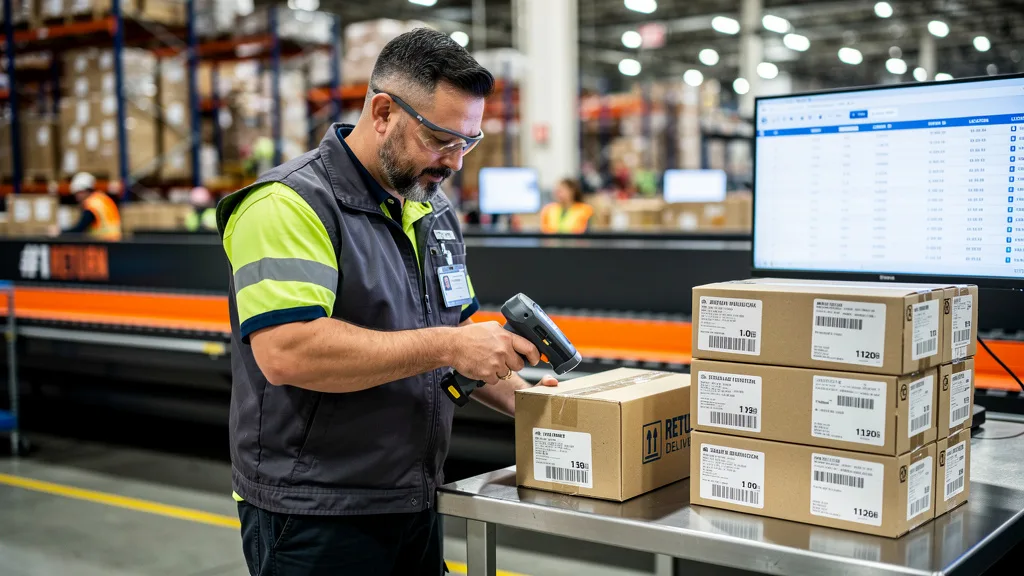
Your business reports in Seller Central are the primary source for this analysis. Focus on reports like the "Detail Page Sales and Traffic by ASIN" to see which products attracted the most attention and converted best. Cross-reference this with your advertising reports to understand your true cost of sales. A comprehensive review now will pay dividends as you plan for Black Friday, Cyber Monday, and the entire Q4 shopping season.
Reviewing Sales Velocity and Top-Performing ASINs
Begin by identifying your champions. Sort your products by units sold and revenue generated during the Prime Day period. This will quickly show you which ASINs resonated most with customers. Pay close attention to the sales velocity, which is the speed at which your products are selling. A sudden, massive spike for a particular product indicates strong demand that you may be able to sustain.
Look beyond the obvious bestsellers. Did a product you didn't heavily promote suddenly take off? This could signal an untapped market or a listing that is converting exceptionally well. These organic winners are goldmines of information. Understanding why they succeeded, perhaps through superior images, A+ Content, or customer reviews, provides a template for optimizing other products in your catalog.
Identifying Underperforming Products and Missed Opportunities
Just as important as finding your winners is identifying the products that fell short of expectations. Which ASINs had high traffic but low conversion rates? This could point to issues with pricing, listing quality, negative reviews, or simply a disconnect between your ad creative and the product page. These products represent a significant opportunity for optimization before the next sales peak.
Also, consider what could have sold more if you had the stock. Did any of your popular items run out of inventory midway through the event? A stockout on a high-velocity item is one of the most expensive mistakes a seller can make, representing lost sales and a potential drop in search ranking. Document these instances carefully, as they are crucial inputs for your future demand planning. A detailed post-Prime Day strategy is built on this analysis.
Calculating Final Profit Margins After Fees and Ad Spend
Gross revenue is a vanity metric; profit is sanity. To understand the true success of your Prime Day, you must calculate your net profit margin for each ASIN. Start with the sale price and subtract the cost of goods sold (COGS), Amazon's referral fees, FBA fulfillment fees, and any storage costs. Most importantly, you must factor in your total advertising cost of sale (TACoS).
Many sellers get caught up in the sales frenzy and overspend on ads, leading to impressive revenue but minimal or even negative profit. By analyzing profit on an ASIN-by-ASIN basis, you can see which products were truly profitable to promote and which were not. This data is essential for refining your Amazon PPC management strategy for future events, ensuring you invest your ad budget where it generates the highest return.
Immediate Post-Prime Day Inventory Reconciliation
Once you've analyzed your sales data, the next step is to reconcile your physical inventory. The days following Prime Day are often characterized by a surge in returns and potential discrepancies in your stock levels. Addressing these issues promptly is crucial for maintaining a healthy inventory score and ensuring your account remains in good standing. A swift reconciliation process prevents small problems from escalating into major logistical headaches.
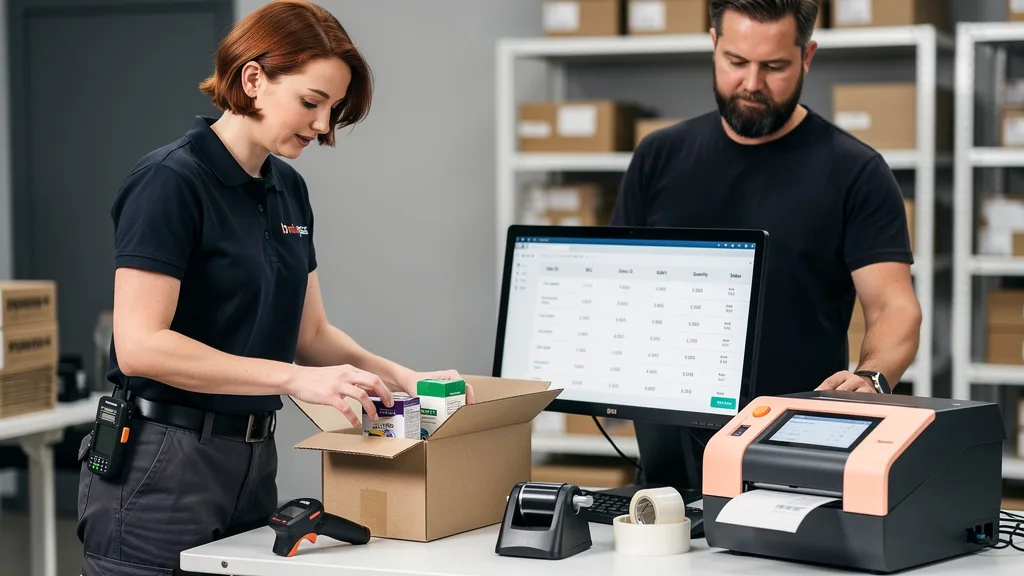
This phase is about creating a clean slate. You need an accurate count of what you have and where it is, including units in transit, in fulfillment centers, and being returned by customers. Ignoring this step can lead to overselling, inaccurate forecasting, and paying storage fees for unsellable goods. Diligent auditing now ensures your inventory data is reliable for Q4 planning.
Managing the Influx of Customer Returns
A high sales volume inevitably leads to a higher volume of returns. It's critical to have a streamlined process for handling these items as they come back to Amazon's fulfillment centers or your own warehouse. Your first task is to inspect each returned unit to determine its condition. Can it be resold as new, or is it damaged and needs to be classified as unfulfillable?
Use the FBA customer returns report in Seller Central to track return reasons. Are you seeing a pattern? For example, multiple returns citing "wrong item sent" or "not as described" could indicate a problem with your product listing or a labeling issue at the fulfillment center. Addressing the root cause of returns not only improves the customer experience but also protects your profit margins over the long term.
Auditing FBA and FBM Stock Levels for Discrepancies
After a high-velocity sales period, it's common for discrepancies to appear between your records and Amazon's. You need to perform a thorough audit of your FBA and FBM inventory. Use Amazon's inventory reports, such as the Inventory Ledger report, to trace the movement of your units. Compare Amazon's numbers with your own internal tracking to identify any missing or misplaced items.
If you find significant discrepancies, don't hesitate to open a case with Seller Support to request an investigation and potential reimbursement. Delays in shipping or receiving at fulfillment centers can also create temporary mismatches. Keeping a close watch on your inventory levels ensures you have an accurate picture of your sellable stock and can make informed restocking decisions.
Addressing Stranded or Unfulfillable Inventory
Stranded inventory refers to products in an Amazon fulfillment center that are not available for sale due to listing issues, brand gating, or other problems. After Prime Day, you may find that returned items have been marked as unfulfillable. It's vital to address both of these categories quickly to avoid unnecessary storage fees and get your products back in a sellable state.
Check the "Fix Stranded Inventory" page in Seller Central daily. Often, the fix is as simple as relisting the product or updating some information. For unfulfillable inventory, you must create a removal or disposal order. Decide whether it's more cost-effective to have the items returned to you for inspection and potential refurbishment or to have Amazon dispose of them. Letting unfulfillable units sit in FBA is a guaranteed way to lose money.
Strategic Actions for Your Remaining Inventory
With your data analyzed and your stock reconciled, it's time to make strategic decisions about the inventory you currently hold. Your actions now will directly impact your cash flow, storage costs, and readiness for the critical Q4 holiday season. The goal is to balance clearing out any excess stock from Prime Day with ensuring you don't run out of your bestsellers.

This is where proactive management separates successful sellers from the rest. Instead of reacting to stock alerts, you'll be making deliberate choices based on the insights you've just gathered. This includes creative ways to move slower products, timely replenishment of your star performers, and strategic pricing adjustments to maintain momentum.
Clearing Overstock Without Destroying Profitability
If your Prime Day sales didn't meet expectations for certain products, you might be left with overstock. Your immediate goal is to liquidate this excess inventory to free up capital and avoid long-term storage fees, but you must do so strategically. Knee-jerk price slashing can devalue your brand and destroy your profit margin.
Consider alternatives to deep discounts. You could run a limited-time coupon or create a virtual bundle with a complementary, high-performing product. Another option is to use Amazon's outlet deals program for a controlled sales event. For products that simply won't move, liquidating through Amazon's liquidation program or a third-party service may be the most cost-effective solution to cut your losses and improve your Inventory Performance Index (IPI) score.
| Strategy | Pros | Cons | Best For |
|---|---|---|---|
| Coupons & Promotions | Maintains brand value, drives traffic, can improve sales rank. | Lower profit per unit, may attract bargain hunters. | Slightly overstocked items with decent sales potential. |
| Product Bundling | Increases average order value, moves slow items with bestsellers. | Requires creating new ASINs, logistical complexity. | Complementary products where one is a slow mover. |
| Amazon Outlet Deals | Featured placement on Amazon's Outlet page, quick liquidation. | Requires significant discount, Amazon controls timing. | Seasonal items or products nearing expiration. |
| Third-Party Liquidation | Fast cash recovery, frees up FBA space immediately. | Very low recovery rate (pennies on the dollar). | End-of-life products or severely overstocked items. |
Restocking Bestsellers to Avoid Costly Stockouts
While dealing with overstock, don't lose sight of your winners. Your top-performing ASINs from Prime Day are likely to continue selling well. Based on their new, higher sales velocity, you must act quickly to restock and avoid a stockout. A stockout not only means lost sales but also a loss of sales momentum and a potential drop in your product's organic search ranking, which can be difficult to recover.
Review your lead times for manufacturing and shipping, and place new purchase orders immediately for your star products. It's better to be slightly overstocked on a proven seller than to run out during the lead-up to Q4. Use the sales velocity data from Prime Day as your new baseline for forecasting demand for these items, but be prepared to adjust as you get closer to the holiday season.
Creating Product Bundles from Slow-Moving Items
One of the most effective strategies for dealing with slow-moving inventory is to create new product bundles. By pairing a less popular item with a bestseller or a related accessory, you can create a new, attractive offer for customers. This increases the perceived value and can help move units that would otherwise sit on the shelves accumulating storage fees.
When creating a bundle, you must create a new, unique ASIN for the combined package. Ensure your listing clearly communicates the value of the bundle and how the products work together. This strategy not only helps clear overstock but can also increase your average order value and introduce customers to other products in your catalog, turning a potential inventory problem into a marketing opportunity.
Using Prime Day Insights to Forecast for Q4 and Beyond
The data and experience from Amazon Prime Day 2026 are not just for a short-term cleanup; they are a goldmine for long-term strategic planning. Your performance during this peak event is a strong indicator of customer demand and market trends that will shape the all-important Q4. By leveraging these insights, you can build a more accurate and resilient forecast for the holiday shopping season.

Think of Prime Day as a dress rehearsal for Black Friday and Cyber Monday. The logistical challenges you faced, the advertising strategies that worked, and the products that flew off the shelves all provide critical lessons. Applying these lessons now will give you a significant competitive advantage as you prepare for the busiest and most profitable time of the year.
Updating Your Demand Planning for the Holiday Season
Your Prime Day sales data is the most current and relevant information you have for updating your Q4 demand plan. For your top-performing products, use the new, higher sales velocity as a baseline. However, remember to factor in the additional lift expected during the holiday season. Analyze year-over-year trends if you have the data, but give more weight to the recent performance from Prime Day.
"Prime Day isn't just a sales event; it's the most valuable forecasting tool you have before Q4. The sellers who win the holiday season are the ones who analyze their Prime Day data today to make smarter inventory bets for tomorrow. Don't guess what will sell in December; use your July data to know."
Conversely, for products that underperformed, you may need to scale back your Q4 forecast. Don't fall into the trap of ordering more stock for a product based on an optimistic plan made months ago. Use the real-world data you just acquired to make objective, profit-focused decisions and adjust your purchase orders accordingly. This is a core part of building a robust Amazon PPC management and inventory strategy.
Adjusting for Changes to Your Amazon Restock Limits
A strong sales performance during Prime Day can have a direct, positive impact on your Inventory Performance Index (IPI) score and, consequently, your restock limits for Q4. A higher sell-through rate demonstrates to Amazon that you manage your inventory effectively, and the algorithm will often reward you with more storage space. Monitor your IPI score and restock limits closely in the weeks following Prime Day.
If your limits have increased, you have more flexibility to stock up on your bestsellers for the holiday rush. If they haven't changed or have decreased due to overstock, you need to be even more strategic. Prioritize sending in only your fastest-moving products and consider using a third-party logistics (3PL) provider for FBM (Fulfilled by Merchant) orders to supplement your FBA inventory.
Refining Your Pricing Strategy for Future Sales Events
Prime Day is an excellent testing ground for pricing elasticity. Did a small discount lead to a massive sales increase? Or did you have to offer a deep cut to move the needle? Analyze the relationship between your discount depth and sales lift for each product. This data will help you find the sweet spot for pricing during Black Friday and other promotional events.
This analysis also informs your everyday pricing. If a product sold well with a 20% discount, you might test a permanent price reduction of 5-10% to see if you can maintain a higher baseline sales velocity. Conversely, if a product sold out quickly at full price before the deals even started, it might be an indicator that you have room to increase your price. Continuous price optimization is key to maximizing revenue and profit year-round.
Core Best Practices for Amazon Inventory Management
While post-Prime Day cleanup is a critical annual task, it also highlights the importance of strong, year-round inventory management practices. The sellers who recover fastest and profit most are those who have solid systems in place before the sales event even begins. Implementing these core best practices will make every aspect of selling on Amazon, from daily operations to peak season planning, much smoother and more profitable.
These principles are about moving from a reactive to a proactive state. Instead of constantly fighting fires like stockouts and overstock fees, you'll have automated systems and clear processes that prevent these problems from occurring in the first place. This allows you to focus your energy on growth activities like marketing and product development.
Setting Par Levels and Automated Reorder Points
One of the fundamentals of inventory control is establishing par levels for each of your products. A par level is the minimum amount of inventory you need on hand to meet demand until your next shipment arrives. This is calculated based on your sales velocity and your supplier's lead time. Once a product's inventory drops to its designated reorder point (par level plus a safety stock buffer), it triggers a new purchase order.
Manually tracking this for dozens or hundreds of ASINs is nearly impossible. This is where automation becomes essential. Many inventory management tools can automatically calculate reorder points based on real-time sales data and even generate purchase orders for your approval. This systematic approach ensures you rarely, if ever, face an unexpected stockout of a key product.
Implementing a First-In, First-Out (FIFO) System
The First-In, First-Out (FIFO) method is a crucial accounting and warehousing principle. It means that the first inventory units you receive are the first ones you sell. This is especially important for products with expiration dates, such as groceries or supplements, but it's a good practice for all sellers. FIFO helps prevent inventory from becoming old, expired, or obsolete.
For Amazon FBA sellers, Amazon's systems generally operate on a FIFO basis, but it's not guaranteed. When you manage your own warehouse for FBM or send stock to a 3PL, you must have strict processes to ensure older stock is shipped out first. This can involve organizing your warehouse by shipment date and having clear labeling systems for your team to follow, as noted in expert advice like HINGE COMMERCE's Post on inventory prep.
Leveraging Modern Inventory Management Software
As your brand scales, managing inventory with spreadsheets becomes inefficient and prone to error. Investing in dedicated inventory management software is a critical step for any serious 7-figure seller aiming for 8 figures. These platforms integrate directly with your Amazon Seller Central account, as well as your other sales channels and suppliers.
Modern software provides a single source of truth for your entire inventory picture. It can automate forecasting, track purchase orders, manage stock across multiple locations (FBA and 3PL), and provide deep analytics on sell-through rates and profitability. This level of control and insight is simply not possible with manual methods and is essential for making the data-driven decisions required to scale profitably.
Key Takeaways
Effectively managing your inventory after Prime Day is a multi-step process that directly impacts your profitability for the rest of the year. By focusing on data, reconciliation, and strategic action, you can turn the post-event period into a powerful launchpad for Q4.
- Analyze Everything: Dive deep into your Prime Day 2026 sales data. Identify your true top-performing ASINs, understand which products underperformed, and, most importantly, calculate your final profit margins after ad spend and all fees.
- Reconcile Immediately: Don't wait to handle the operational cleanup. Manage the influx of customer returns, audit your FBA and FBM stock levels for discrepancies, and promptly address any stranded or unfulfillable inventory to avoid fees.
- Act Strategically with Stock: Use your data to make smart decisions. Develop a plan to clear overstock without destroying your margins, such as bundling or using Outlet deals. Crucially, restock your bestsellers immediately to avoid costly stockouts.
- Forecast for Q4: Use your Prime Day performance as the most reliable indicator for Q4 demand. Update your forecasts, adjust for changes to your Amazon restock limits, and refine your pricing strategy for the upcoming holiday season.
- Systematize for the Future: Implement core best practices like setting automated reorder points and using modern inventory management software. These systems will make managing future sales events much more efficient and profitable.
Frequently Asked Questions
What is Amazon's inventory management strategy for sellers?
Amazon's inventory management strategy for sellers is centered around the Inventory Performance Index (IPI) score. This score measures how efficiently and productively you manage your FBA inventory. Amazon encourages sellers to maintain a healthy balance by keeping popular products in stock, maintaining a good sell-through rate, fixing listing problems promptly, and avoiding excess or aged inventory.
A high IPI score grants you higher, or even unlimited, storage limits, which is crucial for scaling your business, especially during peak seasons like Q4. A low score can result in strict storage limits and overage fees. Therefore, Amazon's strategy incentivizes you to follow best practices that are good for your business and for the efficiency of their fulfillment network.
How do I handle a large volume of returns after Prime Day?
First, monitor your FBA customer returns report daily to track incoming items and understand the reasons for return. When items arrive back at the fulfillment center, Amazon will assess their condition. If deemed sellable, they are returned to your inventory. If marked as unfulfillable, you must create a removal or disposal order within 30 days to avoid fees.
It's crucial to analyze the return reasons in bulk. If you see a recurring issue, such as 'defective' or 'not as described,' investigate your product listing or the product itself to fix the root cause. For high-value items, it's often worth creating a removal order to have them sent back to you for personal inspection and potential refurbishment.
When is the right time to restock bestsellers after a major sales event?
The right time to restock is immediately. As soon as you confirm a product was a bestseller during Prime Day and its sales velocity has increased, you should be placing a new purchase order with your supplier. You need to factor in your full lead time, which includes manufacturing, shipping to the port, ocean or air freight, customs clearance, and FBA check-in times.
Waiting even a week can put you at risk of a stockout, which can kill your sales momentum and hurt your search ranking. Use the new, higher sales velocity from Prime Day to calculate your reorder quantity, ensuring you have enough stock to cover the full lead time plus a buffer of safety stock.
What are the best ways to sell off post-Prime Day overstock?
The best methods avoid aggressive price slashing. Start with less drastic measures like creating Amazon coupons or running a promotion to drive sales without devaluing your brand. Another excellent strategy is to create a new virtual bundle, pairing the overstocked item with a fast-moving, complementary product to increase average order value.
If those methods aren't enough, consider applying for an Amazon Outlet Deal, which provides dedicated placement for a limited time. For items that must be cleared quickly to improve your IPI score, using Amazon's official liquidation program or a third-party liquidator can recover some cost and free up capital and storage space, though the return will be low.
How does my IPI score impact inventory planning for Q4?
Your IPI score is one of the most critical factors in your Q4 inventory planning. Amazon uses your IPI score, measured at specific checkpoints in the months leading up to Q4, to determine your storage volume limits for the holiday season. A high IPI score can result in unlimited storage, giving you the freedom to stock up heavily on your bestsellers.
A low IPI score will result in restrictive storage limits, which can severely handicap your sales potential. If your IPI is low after Prime Day due to overstock, your top priority must be to improve it by clearing out slow-moving inventory. This might mean you need to be more reliant on a 3PL and FBM for Q4, as you won't have the FBA capacity you need.
Conclusion
The period following Prime Day 2026 is not a time for rest but for strategic action. By diligently applying these post-Prime Day inventory management tips, you transform raw sales data into a powerful, profitable plan. This disciplined approach of analyzing performance, reconciling stock, and taking decisive action ensures you not only secure your Prime Day profits but also set your brand up for a record-breaking Q4.
If you're a 7-figure brand owner looking to translate this sales momentum into sustainable 8-figure growth, a deep dive into your account is the essential next step. Our comprehensive audit analyzes your listings, advertising, and inventory health to uncover hidden profit opportunities and create a clear path to scale. Get your personalized action plan today with a Free Audit.