
Did you crush your sales goals during Amazon's Prime Day 2026 event? While the sales spike is exhilarating, the real challenge begins now: turning that short-term traffic surge into sustained, profitable growth. Letting that momentum fade is a missed opportunity that can set your brand back before the critical Q4 holiday season even begins.
A successful post-Prime Day strategy to keep sales rolling involves a multi-faceted approach. It starts with a deep analysis of your performance data, followed by aggressive retargeting campaigns aimed at new buyers and browsers. By converting these one-time deal seekers into loyal, repeat customers, you can build a powerful foundation for the rest of the year. This proactive method ensures your Prime Day gains don't simply disappear, but instead act as a springboard for scaling your brand toward its next milestone. For more insights, review these Post-Prime Day sales recovery strategies.
Analyze Your Prime Day 2026 Performance Data
Before you can build a strategy for the future, you must understand the immediate past. The days following Prime Day are a critical window for data analysis. Your Amazon Seller Central account is filled with valuable insights that reveal what worked, what didn't, and where your biggest opportunities lie. This data is the bedrock of every decision you'll make to maintain sales momentum and drive profitability.
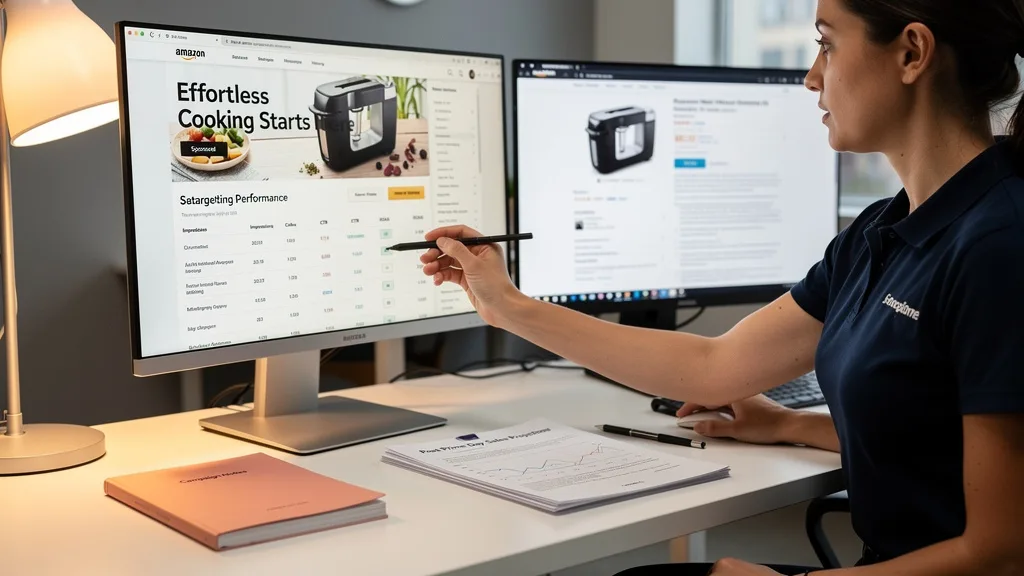
Treat this analysis not as a backward-looking report card but as a forward-looking roadmap. By digging into product performance, advertising metrics, and customer behavior, you can identify clear, actionable steps. This process moves you from reacting to the market to proactively shaping your brand's trajectory as you head into the second half of the year.
Identify Your Top-Performing Products and ASINs
Your first task is to pinpoint your winners. Navigate to your Business Reports in Seller Central and look at sales and traffic by ASIN for the Prime Day period. Identify the products that saw the biggest sales lift, not just in terms of revenue but also in units sold and session-to-conversion rate increases. These are the products that resonated most with the high-intent traffic of the event.
Don't just look at the obvious bestsellers. Investigate the "halo effect" where a popular deal-driven product may have increased sales for related, non-discounted items in your catalog. These secondary products represent powerful cross-selling opportunities. Create a master list of your top 5-10 performing ASINs, as they will be the focus of your upcoming retargeting and loyalty campaigns.
Review Advertising Campaign Success Metrics
Prime Day traffic is expensive, making a post-event advertising audit essential for profitability. Dive into your Advertising Console to evaluate key metrics like Advertising Cost of Sale (ACoS), Total Advertising Cost of Sale (TACoS), click-through rate (CTR), and conversion rate (CVR) for each campaign. Identify campaigns that drove a high volume of sales at an acceptable or profitable ACoS.
Pay special attention to your new-to-brand metrics. Which campaigns were most effective at acquiring new customers versus selling to your existing base? This data is crucial for understanding your customer acquisition cost (CAC) and the true return on your ad spend. A comprehensive Amazon PPC management strategy will use these insights to reallocate budgets toward campaigns with proven performance in acquiring new, high-value shoppers.
Understand Customer Demographics and Buying Patterns
Who were your Prime Day buyers? Amazon Brand Analytics offers a treasure trove of demographic data, including age, income, and gender. Understanding this profile helps you refine your targeting for future campaigns, ensuring your ad spend is directed at audiences most likely to convert. Did you attract a new customer segment during the event? This could signal an untapped market for your brand.
Beyond demographics, analyze buying patterns. Did customers purchase single items, or did they bundle products? The "Market Basket Analysis" report can reveal which of your products are frequently bought together. This information is invaluable for creating virtual bundles, developing cross-sell strategies in your Sponsored Display campaigns, and optimizing your "Frequently Bought Together" section on your product detail pages.
Implement Advanced Retargeting to Maintain Sales
The massive influx of traffic during Prime Day includes not only buyers but also a huge audience of browsers who showed interest but didn't complete a purchase. An aggressive and intelligent retargeting strategy is the most effective way to convert this high-intent audience and keep sales rolling. This isn't just about reminding them of your product; it's about re-engaging them with a compelling message while their interest is still piqued. Amazon PPC management strategy.
Using Amazon's suite of advertising tools, you can create highly specific audience segments based on their Prime Day behavior. By tailoring your campaigns to these different groups, from recent purchasers to cart abandoners, you maximize relevance and increase your return on ad spend. This is how you turn a two-day sales event into a month-long revenue stream.
Create Campaigns for Recent Prime Day Buyers
Your new Prime Day customers are your most valuable audience. They have already trusted your brand with a purchase and are primed for a repeat sale. Use Amazon's audience builder to create a segment of customers who purchased from you during the Prime Day window. Launch Sponsored Display or Sponsored Brands campaigns targeting this group with complementary products.
For example, if they bought a yoga mat, retarget them with an ad for a yoga block or a water bottle. This cross-selling strategy not only drives immediate sales but also increases the lifetime value (LTV) of your new customers. Frame the ad copy to acknowledge their recent purchase, perhaps with a message like "Complete your set" or "Recommended for you."
Engage Cart Abandoners and Product Viewers
The audience of users who viewed your product or added it to their cart but did not purchase is a goldmine. Their purchase intent was high, but something stopped them, perhaps the deal ended or they got distracted. Time is of the essence to win them back. Use Sponsored Display audience retargeting to place your product ad back in front of them as they browse on and off Amazon.
Consider running a limited-time promotion, like a 10% off coupon, exclusively for this retargeting campaign. The ad creative should highlight a key benefit or address a potential objection. This targeted approach reminds them of their interest and provides a gentle nudge to complete the purchase, capturing revenue that would otherwise be lost.
Use Sponsored Display to Reach New Audiences
Beyond retargeting, you can use the insights from Prime Day to fuel your prospecting efforts with Sponsored Display. Analyze the demographics and interests of your Prime Day buyers and use those attributes to build new lookalike and in-market audiences. This allows you to find new customers who share characteristics with your recent converters.
For instance, if you discovered that your outdoor camping gear sold well to shoppers interested in hiking and national parks, you can create a Sponsored Display campaign targeting those specific interests. This is a powerful way to leverage your Prime Day data to expand your reach and fill the top of your sales funnel with relevant, high-potential shoppers long after the event has ended.
Boost Customer Loyalty and Encourage Repeat Purchases
Acquiring a new customer during Prime Day is just the first step. The real long-term value comes from turning that one-time buyer into a loyal, repeat purchaser. A focused effort to boost customer loyalty immediately following the event is critical for sustainable growth. These new customers are your brand's newest asset, and nurturing that relationship should be a top priority.
The post-Prime Day period is the perfect time to make a lasting impression. By providing value beyond the initial transaction, you can build trust and create brand advocates. This involves strategic communication, incentivizing social proof, and making your new customers feel like valued insiders. These actions transform transactional relationships into loyal followings.
"Your Prime Day 2026 buyers are your most qualified leads for Q4. A smart post-Prime Day strategy to keep sales rolling focuses on converting them into repeat customers before your competitors even start their holiday planning. This is how 7-figure brands become 8-figure brands."
Launch Targeted Email Follow-Up Sequences
If you are a brand-registered seller, Amazon's Manage Your Customer Engagement (MYCE) tool is a powerful, and often underutilized, asset. Use it to send targeted email campaigns to your recent followers and buyers. Instead of just asking for another sale, provide value. Send a thank-you message, share a user guide for the product they bought, or offer tips on how to get the most out of their purchase.
Segment your email list based on the products they purchased to make the content highly relevant. A well-crafted follow-up sequence that educates and helps the customer builds a strong brand connection. This positions you as a helpful expert, not just a transactional seller, making them more likely to think of you for future purchases.
Incentivize Product Reviews to Build Social Proof
The surge in sales from Prime Day presents a massive opportunity to gather product reviews. More high-quality, recent reviews provide powerful social proof that will boost your conversion rate for all future traffic. Actively solicit reviews from your new customers using Amazon's "Request a Review" button in Seller Central, which sends a compliant, combined seller feedback and product review request.
For new products or those with few ratings, consider enrolling them in the Amazon Vine program. Vine invites the most trusted reviewers on Amazon to post opinions about new and pre-release items to help their fellow customers make informed purchase decisions. The social proof you build now will pay dividends for months to come, especially during the busy Q4 shopping season.
Offer Exclusive Discounts to Your New Customers
Make your new Prime Day customers feel special by offering them an exclusive discount on their next purchase. You can create a unique promotion code and deliver it via a MYCE email campaign or target them directly with a coupon through a Sponsored Brands campaign aimed at your "Recent Purchasers" audience. This is a direct incentive to encourage a second purchase.
This tactic not only drives repeat business but also reinforces the value of being your customer. Frame it as a "Thank You" offer for choosing your brand during Prime Day. When managing these promotions, it's essential to monitor your profit margins and understand what constitutes a good Amazon ACoS to ensure the campaign remains profitable while fostering loyalty.
Optimize Your Listings and Inventory After the Rush
The end of Prime Day doesn't mean your work is done; it signals a shift in focus toward optimization. The data and sales velocity from the event provide a clear picture of what resonates with customers and how they search. Use these fresh insights to refine your product listings and ensure your operational backend is prepared to handle the sustained momentum you're building. cross-selling opportunities.
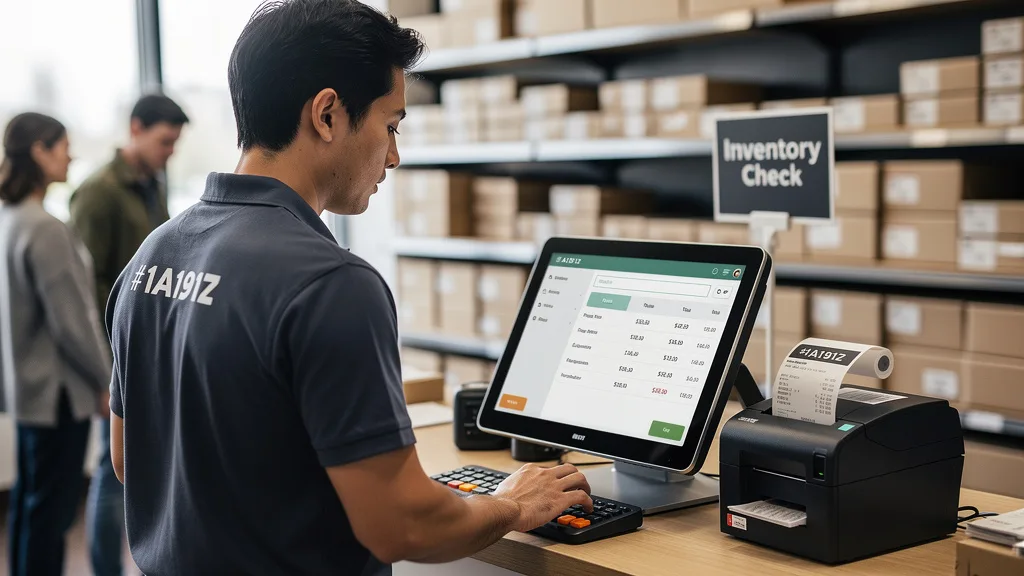
Failing to optimize after a major sales event is a common mistake that can stifle growth. Outdated keywords can cause your organic rank to drop, and stockouts on popular items will bring your sales to a screeching halt. Proactive management of your listings and inventory is non-negotiable for carrying your Prime Day success forward.
Update Keywords Based on Prime Day Search Trends
Your Prime Day Search Query Performance and Brand Analytics reports are a goldmine for keyword optimization. Analyze these reports to identify new search terms that customers used to find and purchase your products. You may discover surprising phrases or long-tail keywords with high conversion rates that you weren't previously targeting.
Integrate these newly discovered, high-performing keywords into your product titles, bullet points, backend search term fields, and A+ Content. This will improve your organic ranking for relevant searches and the overall effectiveness of your listing. A strong Amazon SEO strategy is dynamic and should be updated regularly based on fresh performance data, and there's no better data than what comes from a high-traffic event like Prime Day.
Restock Inventory to Avoid Post-Event Stockouts
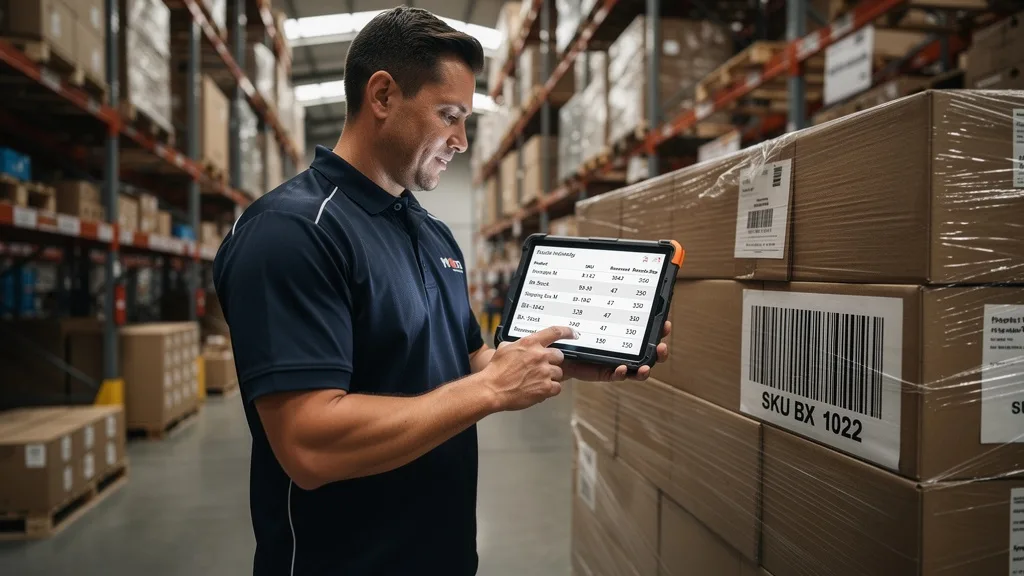
A massive sales spike can deplete your inventory faster than anticipated, especially for your top-performing ASINs. A stockout is one of the quickest ways to kill your sales velocity and lose the ranking gains you achieved during Prime Day. Immediately after the event, conduct a thorough inventory audit and place restock orders for your bestsellers.
Pay close attention to your Inventory Performance Index (IPI) score and lead times from your supplier to ensure products arrive at Amazon's fulfillment centers before you run out. Use the table below to compare approaches to managing your inventory post-event.
| Approach | Description | Pros | Cons |
|---|---|---|---|
| Manual Tracking | Using spreadsheets and daily checks in Seller Central to monitor inventory levels and sales velocity. | No software cost, full control. | Time-consuming, prone to human error, difficult to scale. |
| Automated Software | Using third-party inventory management tools that sync with your Seller Central account to provide alerts and sales forecasts. | Saves time, reduces errors, provides data-driven forecasts. | Monthly software fees, requires setup and integration. |
| Hybrid Approach | Using software for top-selling ASINs while manually tracking slower-moving products. | Balances cost and efficiency, focuses automation on highest-risk items. | Can become complex to manage two systems. |
Leverage Your Momentum for Q4 and Holiday Planning
The insights gained from Prime Day 2026 are not just for short-term gains; they are your secret weapon for dominating the Q4 holiday season. Black Friday, Cyber Monday, and the December holidays represent the biggest sales opportunities of the year. The data you just collected on top products, effective ad campaigns, and customer behavior is the most accurate predictor of what will work during these upcoming events.
Smart brands don't see Prime Day and Q4 as separate events. They view them as part of a continuous cycle of selling, learning, and optimizing. By immediately applying your Prime Day learnings to your holiday strategy, you gain a significant competitive advantage. You can find more ideas by reviewing the Top 10 Small Business Prime Day trends to see how they apply to Q4.
Map Out Your Black Friday and Cyber Monday Deals
Use your list of top-performing Prime Day ASINs as the starting point for your Black Friday and Cyber Monday (BFCM) deal selection. These products have already proven their appeal to a deal-seeking audience. Consider running similar promotions on these items or creating exclusive bundles based on your market basket analysis.
Don't just copy and paste your strategy. Analyze which deal types performed best. Was it a percentage-off coupon, a Lightning Deal, or a Prime Exclusive Discount? Use this information to structure your BFCM offers for maximum impact. Finalize your deal submissions well in advance of Amazon's deadlines to ensure your top products are featured during the year's biggest shopping weekend.
Adjust Your Advertising Budget for the Holiday Season
Your Prime Day advertising performance is a direct forecast of your Q4 ad needs. Review the campaigns that delivered the best return on investment and highest number of new-to-brand customers. These are the campaigns you should scale up for the holiday season. Reallocate your budget away from underperforming campaigns and double down on the proven winners.
Anticipate that advertising costs, especially CPCs, will rise significantly during Q4. Use your Prime Day data to set a realistic budget. A clear understanding of how much Amazon PPC costs during peak times will prevent you from running out of budget mid-day on Black Friday. Plan your daily spend and be prepared to adjust bids dynamically to maintain visibility on your most important keywords and products.
Key Takeaways
To ensure your Prime Day 2026 success translates into long-term growth, you must act decisively in the days and weeks following the event. A powerful post-Prime Day strategy to keep sales rolling is not a single action but a coordinated effort across data analysis, advertising, customer engagement, and operations. Here are the essential takeaways to implement now:
- Analyze Everything: Dive deep into your Prime Day data. Identify your top-performing ASINs, most profitable ad campaigns, and new customer demographics. This information is the foundation of your entire post-event strategy.
- Retarget Aggressively: Immediately launch Sponsored Display campaigns to re-engage recent buyers, product viewers, and cart abandoners. This is the lowest-hanging fruit for capturing additional sales and converting high-intent traffic.
- Nurture New Customers: Shift your focus from acquisition to retention. Use tools like Manage Your Customer Engagement and targeted promotions to turn one-time buyers into loyal fans who will purchase again.
- Optimize and Restock: Use fresh search query data to update your product listings for better organic rank. Crucially, audit your inventory and restock your bestsellers to avoid stockouts that kill momentum.
- Plan for Q4 Immediately: Your Prime Day performance is a dress rehearsal for the holiday season. Use your data to select your Black Friday and Cyber Monday deals and set your Q4 advertising budgets now to get ahead of the competition.
Frequently Asked Questions
What is the 3-2-1 sales strategy?
The 3-2-1 strategy is a concept often used in data backup, but it can be adapted conceptually for sales and marketing. In a sales context, it might mean making 3 points of contact with a potential customer, using 2 different channels (like a Sponsored Ad and an email follow-up), to drive 1 desired action (a purchase). For post-Prime Day, this could look like retargeting a customer with a Sponsored Display ad, following up with an email from the MYCE tool, and offering one clear call-to-action, such as an exclusive discount on a related product.
This structured approach ensures you are methodically re-engaging potential buyers without overwhelming them. It provides multiple opportunities for conversion across different touchpoints, increasing the likelihood that your message will resonate and lead to a sale. It's about being persistent and strategic in your follow-up.
What is the Amazon Prime trick?
The "Amazon Prime trick" typically refers to a consumer tactic where a shopper signs up for a free 30-day trial of Amazon Prime just to take advantage of Prime Day deals, with the full intention of canceling before the trial period ends. For sellers, understanding this behavior is important. It means a segment of your Prime Day buyers may not be long-term Prime members and might be particularly price-sensitive.
Your strategy should account for this by focusing on demonstrating value beyond the initial discount. By providing excellent customer service, a high-quality product, and valuable follow-up content, you have a better chance of converting these savvy shoppers into repeat customers who see value in your brand, not just the free shipping they used once.
What are the 7 golden rules of sales?
While there are many versions, seven classic sales rules are highly applicable to selling on Amazon. 1. Know your product inside and out. 2. Understand your customer, using data and reviews. 3. Build rapport through branding and customer service. 4. Listen more than you talk by analyzing search data. 5. Clearly communicate value in your listings. 6. Always be prospecting with top-of-funnel ads. 7. Follow up methodically with retargeting.
On Amazon, these rules translate directly into actionable tasks. Knowing your product means having a perfectly optimized listing. Understanding your customer means diving into Brand Analytics. Following up means implementing a smart post-Prime Day retargeting strategy. Mastering these fundamentals is key to consistent success.
Can I make $1000 a month selling on Amazon?
Yes, making $1000 a month in profit selling on Amazon is an achievable goal for many, but it is not a get-rich-quick scheme. It requires a significant amount of work, a solid business strategy, and initial investment in product inventory. Success depends on factors like choosing the right product in a profitable niche, creating a highly optimized listing, managing your advertising effectively, and providing excellent customer service.
For new sellers, the key is to start with a well-researched plan. This includes understanding all the associated costs, from inventory and shipping to FBA fees and advertising spend. Resources like our Amazon FBA Pakistan guide show the level of detail required to enter a market successfully. With dedication and a data-driven approach, reaching and exceeding that income level is entirely possible.
Conclusion
Prime Day 2026 was not the finish line; it was the starting gun for the most important sales period of the year. A proactive and data-driven post-Prime Day strategy is what separates brands that experience a temporary sales spike from those that achieve sustained, long-term growth. By converting the surge of traffic and new customers into a loyal, engaged audience, you build a powerful foundation for a record-breaking Q4.
The key is to act swiftly. The insights from your Prime Day data are most valuable right now, and the interest of recent browsers and buyers is at its peak. Focus on a three-pronged approach: analyze your performance to understand what worked, implement aggressive retargeting to capture lingering interest, and launch loyalty initiatives to nurture your new customer relationships. This momentum is your greatest asset heading into the holiday season.
Executing this multi-channel strategy flawlessly requires expertise, time, and a deep understanding of Amazon's complex ecosystem. Analyzing the data, setting up dozens of campaign variations, and optimizing listings can be overwhelming for busy brand owners. This is where leaning on expert guidance can provide clarity and accelerate your results, ensuring no opportunity is left on the table.
If you want to ensure your brand fully capitalizes on its Prime Day success and is perfectly positioned for Q4, let's talk. We can analyze your performance and build a custom strategy to keep your sales rolling and scale your brand to the next level. Get started with a Free Audit today.