Table of Contents 5 sections
Are you looking to expand your business into the booming online grocery market but find yourself puzzled by Amazon's complex regulations? Understanding the specific requirements is the first and most critical step toward success. Getting it right means accessing millions of Prime customers, while getting it wrong can lead to inventory loss and account suspension.
Amazon FBA product eligibility for food items refers to the strict set of rules, documentation, and packaging standards sellers must meet to sell groceries and gourmet foods through Amazon's Fulfillment by Amazon program. These regulations are in place to ensure food safety, product quality, and customer trust. Meeting these criteria involves navigating a gated category approval process, adhering to FDA guidelines, and managing expiration dates meticulously.
Amazon FBA product eligibility for food items is a comprehensive framework that governs how sellers can list and fulfill edible products on the platform. The "Grocery & Gourmet Food" category is gated, meaning sellers must apply and receive explicit approval from Amazon before they can begin selling. This process is designed to protect consumers from unsafe or low-quality products and maintain the integrity of the Amazon marketplace.
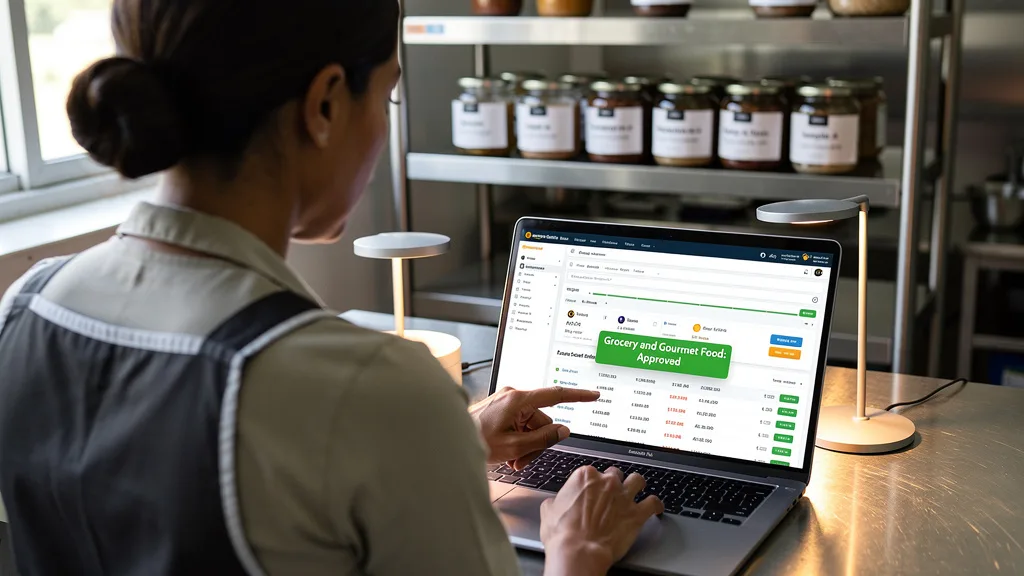
The eligibility requirements cover several key areas. First, sellers must have a Professional Seller Account in good standing with strong performance metrics. Second, they must provide specific documentation, which often includes invoices from suppliers and proof of registration with the U.S. Food and Drug Administration (FDA). Finally, the products themselves must adhere to strict labeling, packaging, and shelf-life rules. For example, all food must be in new condition, have clear expiration dates, and be sealed in professional packaging to prevent contamination.
Essentially, these rules ensure that any food product sold through FBA meets the same, if not higher, standards than those found in a traditional brick-and-mortar grocery store. By controlling access to this category, Amazon ensures that only serious, compliant sellers can participate, which ultimately builds consumer confidence and fosters a safe shopping environment for everyone. This is a crucial part of the overall Amazon FBA eligibility requirements that all sellers should understand.
In 2026, the online grocery market continues its explosive growth, making it one of the most lucrative sectors for e-commerce entrepreneurs. Adhering to Amazon's FBA eligibility for food items is not just a matter of compliance; it is a strategic business decision. Proper eligibility grants you access to Amazon's vast customer base, including millions of loyal Prime members who expect fast, reliable shipping. Leveraging FBA for your food products means Amazon handles storage, packing, shipping, and customer service, allowing you to focus on sourcing great products and growing your brand.
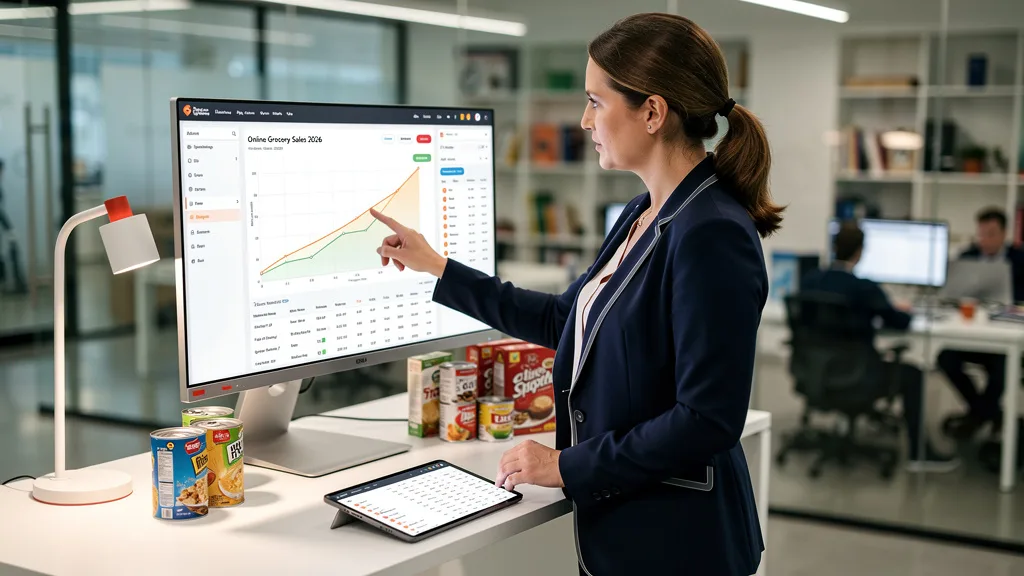
Furthermore, meeting these standards significantly enhances your brand's reputation and builds crucial customer trust. When buyers see that your products are fulfilled by Amazon, they have greater confidence in their safety and quality. This trust translates directly into higher conversion rates and repeat business. In an industry where safety is paramount, demonstrating compliance with Amazon's rigorous standards sets you apart from less professional sellers and protects you from potential liability issues.
"In the competitive 2026 e-commerce landscape, sellers who master Amazon FBA product eligibility for food items aren't just following rules, they are building a foundation for sustainable growth. Customer trust in the food category is non-negotiable, and FBA compliance is the key that unlocks that trust at scale." - FBA Strategy Expert
The consequences of ignoring these rules can be severe. Non-compliant sellers face a range of penalties, from listing removal and inventory disposal at the seller's expense to a permanent suspension of their seller account. Losing access to the world's largest online marketplace can be a devastating blow to a business. Therefore, investing the time and resources to understand and meet eligibility requirements from the outset is essential for long-term success and mutual success with Amazon.
All about Amazon FBA Product Eligibility
Getting approved to sell food items on Amazon FBA requires a methodical approach and careful preparation. The first step is to ensure you have a Professional Seller Account, as Individual accounts are not eligible to apply for gated categories. Your account must also demonstrate strong performance metrics, including a low Order Defect Rate (ODR), a low Pre-fulfillment Cancel Rate, and a low Late Shipment Rate.
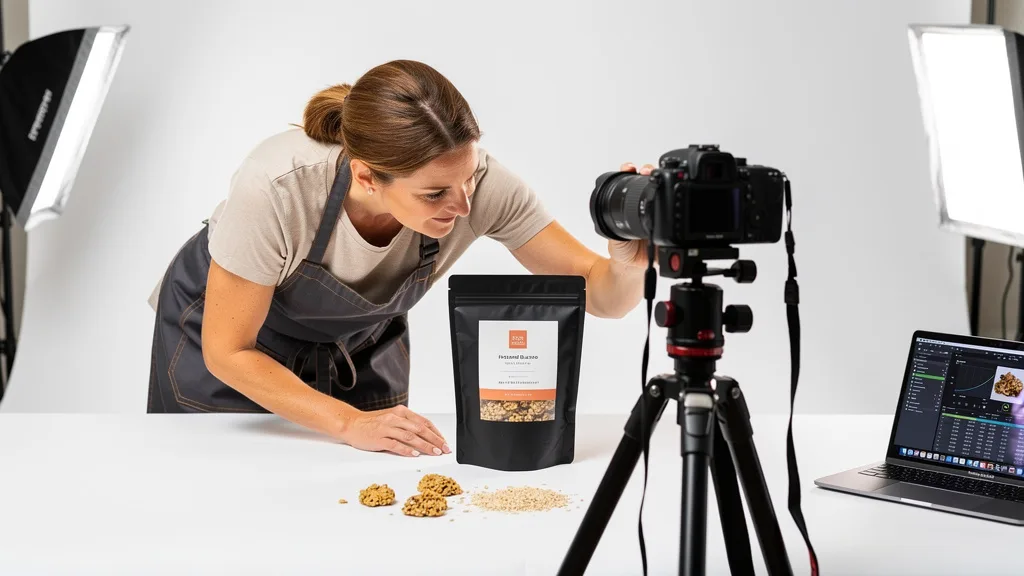
Once your account is in order, you can begin the application process through Amazon Seller Central. You will need to gather specific documents to prove the legitimacy and safety of your products. This typically involves providing recent, valid invoices from your manufacturer or supplier, not retail receipts. In many cases, you may also need to submit proof of FDA registration or other relevant certifications. For sellers looking to expand internationally, understanding rules for programs like Pan-European FBA is also crucial.
Here is a simplified breakdown of the steps to apply:
- Step 1: Account Health Check. Before applying, review your Account Health dashboard to ensure all your performance metrics meet Amazon's standards.
- Step 2: Gather Documentation. Collect high-quality scans or digital copies of at least one purchase invoice for the products you intend to sell. Ensure the invoices are dated within the last 180 days and show your business name and address matching your Seller Central information.
- Step 3: Submit Your Application. Navigate to 'Add a Product' in Seller Central, search for a product similar to yours, and click the 'Listing limitations apply' link. This will lead you to the 'Request Approval' button to start the application.
- Step 4: Await a Response. Amazon will review your application and documentation. This can take anywhere from a few days to a few weeks. Be prepared to provide additional information if requested. Avoid sending a generic response; provide exactly what they ask for.
Best Practices for Amazon FBA Product Eligibility
Once you are approved, maintaining eligibility requires ongoing diligence. Following best practices ensures your account remains in good standing and your customers receive safe, high-quality products. The most critical areas to focus on are labeling, packaging, and managing shelf life. Every item sent to an FBA warehouse must be clearly labeled with an expiration date, and the remaining shelf life must meet Amazon's minimum requirements, which is often 90+ days for grocery items.
Proper packaging is another non-negotiable aspect. All food items must have professional sealed packaging to prevent spoilage and contamination. If you are selling items in glass jars or bottles, they must be individually bubble-wrapped or placed in protective boxes. For products that are sensitive to temperature, like chocolate, you must follow Amazon's specific guidelines for meltable inventory, especially during warmer months. This diligence is similar to what's required for other regulated categories, such as those covered in the Amazon FBA supplement eligibility rules.
For sellers specializing in products like selling gluten free or allergy free items, labeling accuracy is even more critical. All health and dietary claims must be truthful and compliant with FDA regulations. To help you stay organized, here is a table summarizing key best practices:
| Requirement | Description | Why It's Important |
|---|---|---|
| FDA Compliance | Ensure your products, labels, and manufacturing facilities comply with all relevant FDA regulations. | Prevents legal issues and ensures consumer safety. |
| Accurate Labeling | Labels must include the product name, manufacturer, net weight, ingredients, allergen warnings, and nutritional information. | Provides transparency for customers and is legally required. |
| Shelf Life Management | Products must arrive at FBA centers with sufficient shelf life (typically 90+ days). The expiration date must be clearly marked. | Prevents customers from receiving expired goods and reduces inventory waste. |
| Secure Packaging | All items must be securely sealed in sturdy, clean packaging to prevent leaks, damage, and contamination. | Protects the product during transit and storage, ensuring it reaches the customer in perfect condition. |
| Temperature Control | Follow Amazon's guidelines for meltable inventory and temperature-sensitive products. | Avoids product damage and customer complaints, especially during summer months. |
Consistently following these guidelines from sources on Selling Food & Groceries on Amazon helps build a sustainable business and protects your selling privileges.
Common Mistakes to Avoid
Navigating the approval process and maintaining compliance can be tricky, and many sellers make preventable mistakes that jeopardize their business. One of the most common errors is submitting incomplete or incorrect documentation. Using retail receipts instead of commercial invoices, or providing documents that don't match your seller account information, is a frequent reason for an application to get an `auto reply` rejection. It's crucial to double-check that every detail is accurate before submission.
Another significant mistake is improper product preparation. This includes failing to properly seal products, not applying expiration dates correctly, or using inadequate packaging that leads to damage in transit. For example, a single leaky bottle can damage an entire shipment, leading to costly inventory write-offs and negative customer reviews. Similarly, ignoring the rules for meltable inventory can result in your entire stock being disposed of at your expense during the summer months.
Finally, many sellers fail to stay updated on Amazon's policies, which can change. What was compliant last year might not be in 2026. Regularly reviewing the Seller Central help pages for the Grocery & Gourmet Foods category is essential. If you encounter issues, it's important to know how to fix Amazon FBA eligibility errors effectively rather than repeatedly submitting the same failed application. Ignoring policy updates or failing to address compliance notifications promptly can quickly escalate from a minor warning to a full account suspension.
Key Takeaways
Successfully selling food and beverage products through Amazon FBA hinges on a thorough understanding and strict adherence to their eligibility rules. As the online grocery market continues to expand in 2026, mastering these requirements is essential for any brand looking to compete. Here are the most critical points to remember:
- Gated Category Approval is Mandatory: You cannot sell in the Grocery & Gourmet Food category without first applying and receiving explicit approval from Amazon. This requires a Professional Seller Account and strong performance metrics.
- Documentation is Paramount: Your application's success depends on providing accurate, recent, and legitimate documents, such as commercial invoices and FDA registrations. Incomplete or incorrect paperwork is a primary cause of rejection.
- Product Prep is Non-Negotiable: All food items must be professionally sealed, correctly labeled with expiration dates, and packaged to prevent damage, contamination, or melting. Amazon's prep requirements are strict and must be followed for every shipment.
- Compliance is an Ongoing Process: Gaining approval is just the beginning. You must continuously monitor your products, manage shelf life, and stay informed about Amazon's policy updates to maintain your selling privileges and avoid account issues.
- Customer Safety is the Top Priority: Every rule and regulation related to food eligibility is designed to protect the end customer. By prioritizing safety and quality, you align your business with Amazon's core principles and build a trustworthy brand.
Conclusion
Mastering the Amazon FBA product eligibility for food items is a critical step for any entrepreneur aiming to succeed in the highly competitive online grocery space in 2026. While the rules surrounding documentation, packaging, and labeling are stringent, they exist to ensure customer safety and maintain a high-quality marketplace. By approaching the process with diligence and a commitment to best practices, you can unlock access to millions of customers and build a thriving, reputable food brand on the world's largest e-commerce platform.
Navigating these requirements can be complex. If you want to ensure your food products are perfectly positioned for FBA success and avoid costly mistakes, let an expert review your listings. Get your no-obligation Free Audit today to ensure your business is on the right track.