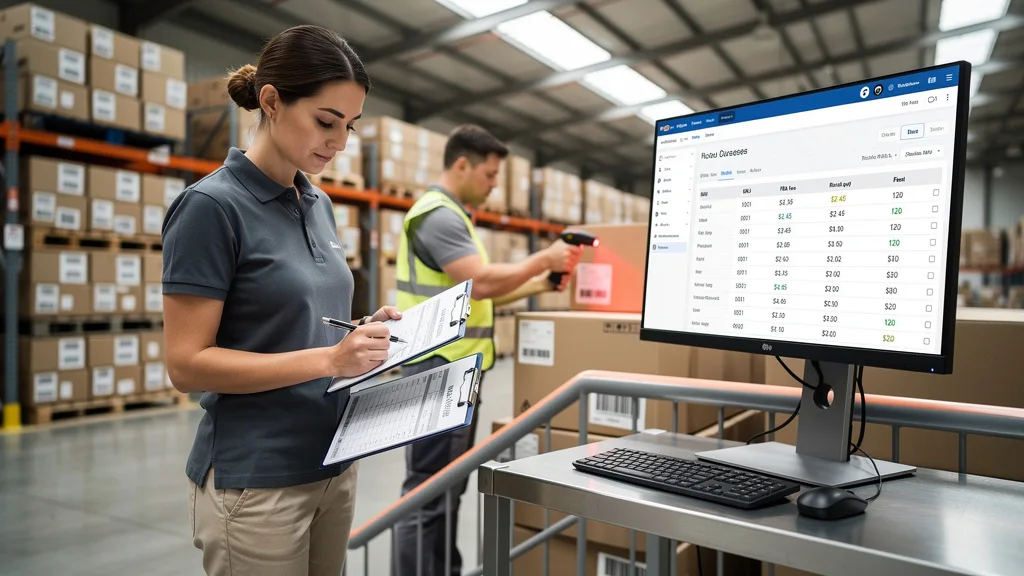
Are you ready to launch your brand on the world's largest marketplace but feel overwhelmed by the initial setup? Understanding the specific criteria for selling on Amazon is the first critical step toward building a successful e-commerce business. Meeting these requirements ensures a smooth launch and protects your account from compliance issues down the road.
To meet the Amazon FBA eligibility requirements for new sellers in 2026, you must provide valid government-issued identification, verifiable business and tax information, an internationally chargeable credit card, and a bank account for receiving payments. Additionally, your products must adhere to Amazon's specific category rules, condition guidelines, and strict FBA preparation and labeling standards to be accepted into their fulfillment centers.
Core Amazon FBA Eligibility Requirements for 2026
Meeting Amazon's core eligibility requirements is the foundational step to leveraging its powerful Fulfillment by Amazon (FBA) service. These rules are not suggestions; they are mandatory criteria that Amazon uses to maintain the integrity of its marketplace, ensure a consistent customer experience, and manage its complex logistics network. By complying with these standards, you gain access to millions of Prime customers and offload the burdens of storage, packing, and shipping.
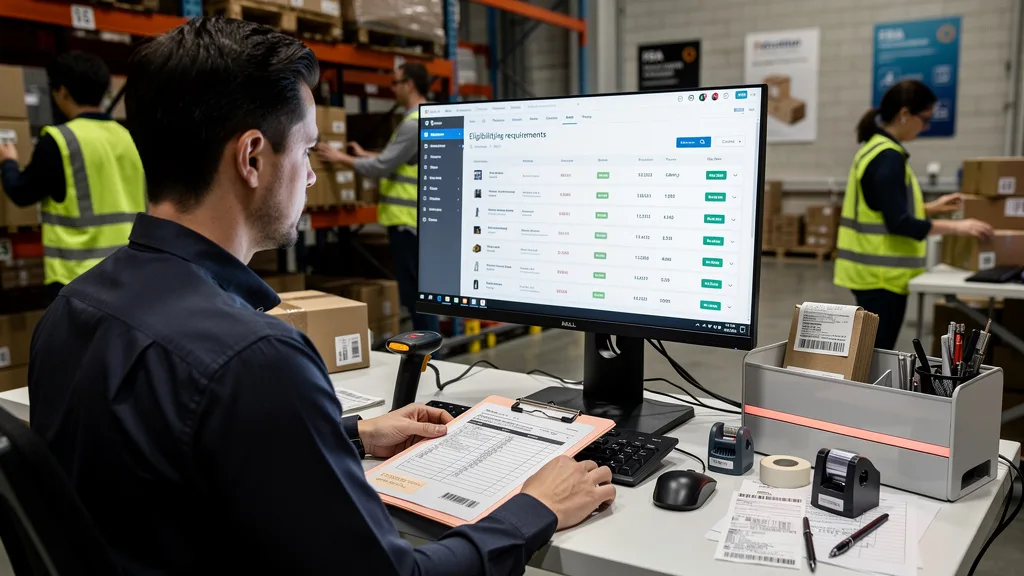
The requirements can be broken down into three main pillars: seller account verification, product compliance, and inventory preparation. First, you must prove your identity and the legitimacy of your business to Amazon. Second, the products you intend to sell must be permitted on the platform and meet all legal and safety standards. Finally, your inventory must be packaged and labeled according to Amazon's precise specifications to be processed correctly in their fulfillment centers. Neglecting any of these areas can lead to delays, rejected shipments, or even account suspension.
Essential Seller Account and Document Requirements
Before you can list a single product, you must first pass Amazon's rigorous identity and business verification process. This step is critical for preventing fraud and ensuring a trustworthy marketplace for both buyers and sellers. Gathering all your documentation ahead of time will significantly streamline the account creation process and prevent unnecessary delays. Think of this as building the legal and financial foundation of your Amazon store.
Government ID and Contact Information
Amazon requires you to prove your identity with a valid, unexpired government-issued photo ID. This can typically be your passport or a national identity card or driver's license. The name on the ID must exactly match the name you use to register your Amazon seller account and the name on your bank account. Any discrepancies can flag your account for a manual review and cause significant delays.
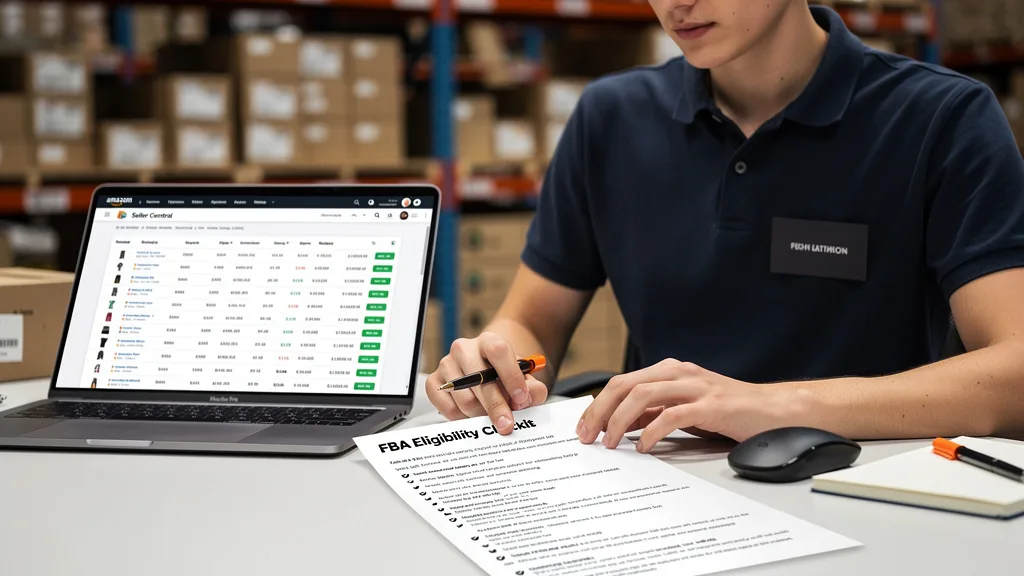
Alongside your ID, you will need to provide a current address, a valid phone number, and a professional email address. Amazon will use this contact information for two-step verification and to send important notifications about your account health, sales, and policy updates. Ensure this information remains current to maintain access to your account.
Business Details and Tax Identification
You must decide whether you will sell as an individual (sole proprietor) or as a registered business entity, such as an LLC or corporation. For U.S. sellers, this choice determines whether you provide your Social Security Number (SSN) or an Employer Identification Number (EIN) for tax purposes. For international sellers, you will need to provide the equivalent tax identification number for your country.
Registering as a formal business is highly recommended as you scale. It not only offers liability protection by separating your personal assets from your business assets but also builds more credibility on the Amazon platform. You will need to provide official business registration documents that show your business name and address, which again must match the information provided in Seller Central.
Bank Account and Credit Card Information
To operate on Amazon, you need two key financial components. First is an internationally chargeable credit card with a valid billing address. Amazon uses this card to charge your monthly subscription fees (for the Professional plan), advertising costs, and other selling fees if your account balance is insufficient. Debit cards or prepaid cards are often not accepted. listing optimization beginners guide.
Second, you need a bank account where Amazon can deposit your sales revenue. This account must be located in a country supported by Amazon. Amazon disburses payments on a regular cycle, and having a valid, verified bank account is the only way to get paid. The name on the bank account must, once again, match the name on your seller account to prevent verification issues.
Product Eligibility Rules: What You Can and Cannot Sell
Once your account is set up, your focus shifts to your products. Not everything can be sold on Amazon, and not all eligible products can be handled through the FBA network. Understanding these rules is crucial for sourcing inventory and avoiding costly mistakes, such as purchasing thousands of units of a product you are not permitted to sell. Adherence to these guidelines is fundamental to maintaining good account health.
General Product Guidelines and Condition
Amazon has strict guidelines for product condition. Most products sold via FBA must be in 'New' condition. While some categories allow for 'Used' or 'Collectible' items, these are typically handled through Fulfillment by Merchant (FBM). Selling an item as 'New' when it has any signs of wear, damage, or opened packaging can lead to negative customer feedback and A-to-z claims, which harm your account metrics.
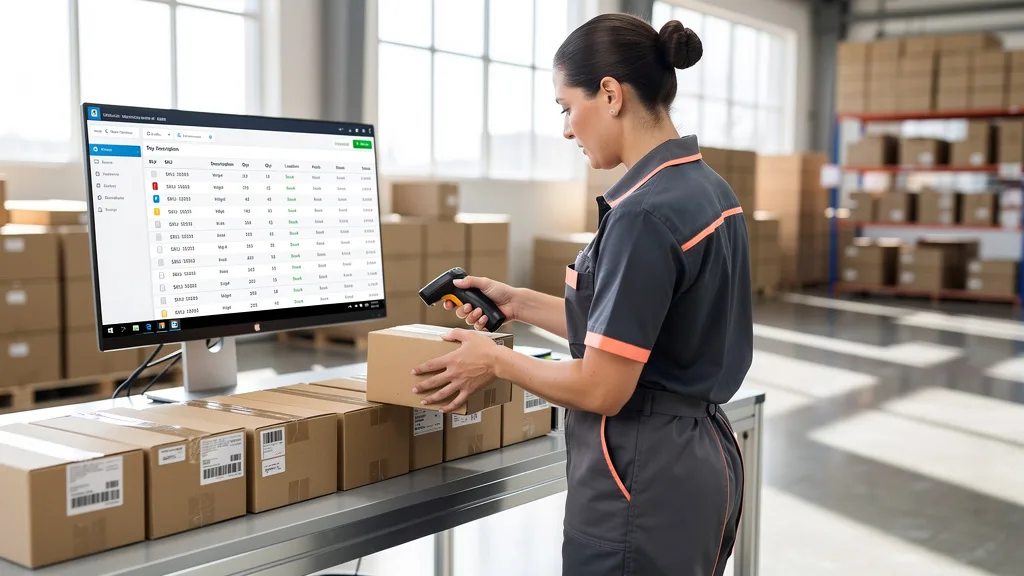
Your product listings must also be completely accurate. The title, bullet points, description, and images must perfectly match the physical product the customer receives. Misrepresenting a product, even unintentionally, is a policy violation. A comprehensive Amazon listing optimization checklist can help ensure your product pages are compliant and compelling from day one.
Navigating Restricted and Gated Categories
Certain product categories on Amazon are 'gated' or 'restricted,' meaning you need pre-approval before you can list items in them. Examples include Jewelry, Watches, Fine Art, and certain sub-categories within Health & Personal Care or Grocery. This gating process is a quality control measure to ensure sellers in these sensitive categories are legitimate and their products are authentic.
To get 'ungated,' you typically need to have a Professional selling plan and provide documentation such as wholesale invoices from authorized distributors or safety certifications. The specific requirements vary by category. While it requires extra effort, getting approved in a gated category can be a strategic advantage, as it often involves less competition from newer or less serious sellers. Amazon PPC guide for beginners.
Items Strictly Prohibited from FBA
Beyond restricted categories, there is a list of products that are completely prohibited from the FBA program, and often from the Amazon marketplace altogether. These items often pose legal, safety, or logistical challenges. Attempting to sell them through FBA can result in immediate account suspension and disposal of your inventory at your expense. Amazon's commitment to safety and compliance, as seen in initiatives like Amazon Sustainability, shapes these policies.
The following table outlines the differences between these product classifications:
| Category | Description | Examples | FBA Action |
|---|---|---|---|
| Open/Eligible | Products that can be sold by any seller without pre-approval. | Books, Home & Kitchen, most Toys, Office Supplies | List and send to FBA after proper prep. |
| Restricted/Gated | Products requiring special permission from Amazon to sell. | Fine Jewelry, Watches, Collectible Coins, some Automotive parts | Apply for approval with invoices or certifications before listing. |
| Prohibited | Items that cannot be sold or handled by FBA under any circumstances. | Alcohol, firearms, explosives, prescription drugs, certain hazardous materials | Do not attempt to list or send to FBA. |
FBA Inventory and Shipment Preparation Standards
Successfully navigating the account and product requirements gets you in the door, but mastering inventory prep is key to thriving with FBA. Amazon's fulfillment centers are highly automated environments that process millions of items daily. To ensure your products are received, stored, and shipped correctly, you must follow Amazon's detailed preparation, packaging, and labeling standards to the letter. Failure to do so can result in rejected shipments, unplanned prep fees, or lost inventory.
Barcode and Labeling Requirements (FNSKU)
Every item sent to an Amazon fulfillment center requires a scannable barcode. While some products can use the manufacturer's barcode (like a UPC or EAN), it is best practice to use Amazon's own barcode, the FNSKU (Fulfillment Network Stock Keeping Unit). The FNSKU is unique to your seller account and the specific product listing.
Using an FNSKU ensures that when a customer buys your product, an item from your specific batch of inventory is picked and shipped. This prevents commingling your inventory with that of other sellers, which is crucial for quality control and protecting your brand from counterfeit issues. Proper labeling is a core component of your overall Amazon SEO strategy, as it ensures your physical product is perfectly tied to its digital listing.
Proper Packaging and Prep for Amazon's Warehouses
Your products must be packaged to survive the journey to the warehouse and subsequent handling within it. Fragile items require bubble wrap, liquids must be in sealed bags to prevent leaks, and items sold as a set must be clearly labeled 'Sold as a Set' or 'Do Not Separate.' Any product in a poly bag with an opening of 5 inches or more requires a suffocation warning label. AI tools for Amazon sellers.
"Many new sellers underestimate the importance of FBA prep. A single damaged shipment due to poor packaging can wipe out your profit margin for weeks. Getting this right from day one is non-negotiable for scaling to 7 and 8 figures."
These rules are in place to protect your products, Amazon's employees, and the end customer. Investing time and resources into proper prep work prevents financial losses from damaged goods and ensures your customers receive their orders in perfect condition, which is vital for securing positive reviews and repeat business.
Navigating the Seller Account Approval Process
After you submit all your documents, your application enters Amazon's verification queue. This process can take anywhere from a few days to several weeks, depending on the volume of applications and the clarity of your submissions. During this time, it is crucial to monitor your email and Seller Central for any requests for additional information. Respond promptly and precisely to any queries from Amazon.
If your application is rejected, do not panic. The most common reason for rejection is a mismatch of information between documents (e.g., a slight name variation or a different address) or a low-quality scan of an ID. Amazon will typically state the reason for the rejection. Carefully review their feedback, correct the issue, and resubmit your documents through the provided appeal process. Patience and attention to detail are your best allies in successfully getting your account approved and ready for business. Once approved, you can begin focusing on growth strategies like a robust Amazon PPC management plan.
Key Takeaways
Successfully launching on Amazon FBA in 2026 hinges on careful preparation and strict adherence to the platform's rules. Here are the most critical takeaways for new sellers: Amazon Careers.
- Document Accuracy is Paramount: Ensure every piece of information on your government ID, bank statements, and business documents matches exactly. Even minor discrepancies can cause major delays in account approval.
- Understand Product Rules Before Sourcing: Do not invest in inventory until you are certain your product is allowed on FBA and you have approval for any restricted categories.
- Master FBA Prep and Labeling: Proper use of FNSKU barcodes and protective packaging is non-negotiable. It protects your inventory, ensures efficient processing, and guarantees a positive customer experience.
- A Professional Plan is Essential for Growth: While you can start with an Individual plan, a Professional selling plan is necessary for accessing gated categories, using advanced selling tools, and becoming eligible for the Buy Box.
- Treat It Like a Business: Amazon FBA is a system with strict rules, not a casual hobby. Approaching it with professionalism, diligence, and a focus on compliance is the key to long-term success.
Frequently Asked Questions
Is it hard to get approved for an Amazon seller account?
Getting approved for an Amazon seller account is not inherently hard, but it is meticulous. The process is straightforward if you are prepared with all the correct documentation. The difficulty arises when sellers submit blurry documents, use information that doesn't match across different forms, or try to open an account from a location that is not supported.
The key to a smooth approval process is diligence. Double-check that your name, address, and business information are identical on your government ID, bank statement, and any business licenses. If you provide clear, accurate, and consistent information, you will likely be approved without any issues.
Is Amazon FBA worth it for beginners in 2026?
Yes, Amazon FBA is still worth it for beginners in 2026, provided they enter the market with a clear strategy. The platform is more competitive than ever, so success is no longer about simply finding a random product. Beginners must focus on thorough product research, identifying a niche with manageable competition, and creating a high-quality product listing.
The value of FBA is that it solves the biggest hurdles for new businesses: storage, shipping, and customer service. This allows a beginner to focus on marketing, brand building, and understanding the nuances of Amazon listing optimization vs PPC. With the right product and a solid marketing plan, FBA remains a powerful vehicle for growth.
Can you make $1000 a month selling on Amazon?
Absolutely. Making $1000 a month in profit is a very achievable goal for a dedicated seller on Amazon. This figure is not guaranteed and requires work, but it is a realistic milestone. Achieving this depends on your product's profit margin, sales velocity, and your ability to manage costs effectively.
For example, selling 100 units of a product with a $10 profit margin would meet this goal. The challenge lies in finding that product, ranking it in search results, and managing inventory and advertising spend. Understanding your Amazon PPC cost is essential to ensure your marketing efforts contribute to profitability, not detract from it.
Do I need a registered business to sell on Amazon FBA?
In the United States, you do not strictly need a registered business like an LLC to start selling on Amazon. You can begin as a sole proprietor using your Social Security Number for tax purposes. However, it is highly recommended that you form a business entity as soon as your store generates consistent income.
Forming an LLC or corporation provides crucial liability protection, separating your personal assets from your business debts. It also presents a more professional image to Amazon, suppliers, and customers. For serious sellers aiming to build a scalable brand, establishing a formal business structure is a foundational step.
Can I use Amazon FBA if I live outside the United States?
Yes, you can absolutely use Amazon FBA even if you live outside the United States. Amazon's Global Selling program makes it possible for entrepreneurs from over 100 different countries to sell in its various marketplaces, including the US, UK, Germany, Japan, and Australia. Many successful sellers manage their US-based Amazon business from abroad.
As an international seller, you must still meet all the standard eligibility requirements. Additionally, you will need to navigate international shipping logistics to get your inventory to US fulfillment centers and understand the tax and regulatory implications for your home country and the country you are selling in. For example, there are specific considerations for an Amazon FBA seller from Pakistan, just as there are for sellers from Europe or Asia. Amazon's global footprint is also reflected in its worldwide hiring, as seen on its Amazon Careers page.
Conclusion
Meeting the Amazon FBA eligibility requirements for new sellers is the first and most important step in building a sustainable and profitable brand on the platform. By meticulously preparing your documentation, understanding product restrictions, and mastering FBA prep standards, you set a strong foundation for growth. Diligence in these initial stages prevents costly compliance issues and allows you to focus on what truly matters: sourcing great products, marketing them effectively, and scaling your business toward 7 and 8 figures.
If you're a serious brand owner ready to scale but find these requirements and the subsequent growth phases daunting, our expertise can clear the path. We specialize in transforming 7-figure businesses into 8-figure powerhouses with profit-focused strategies. Get a professional analysis of your brand's potential and identify key growth levers. Start with a Free Audit today.