Table of Contents 8 sections
Are you ready to tap into the massive beauty market on Amazon but unsure where to start with the platform's strict rules? Successfully launching a beauty brand on Amazon requires a deep understanding of its specific eligibility criteria, from ingredient restrictions to documentation. Getting it wrong can lead to inventory rejection, account suspension, and lost revenue before you even make your first sale.
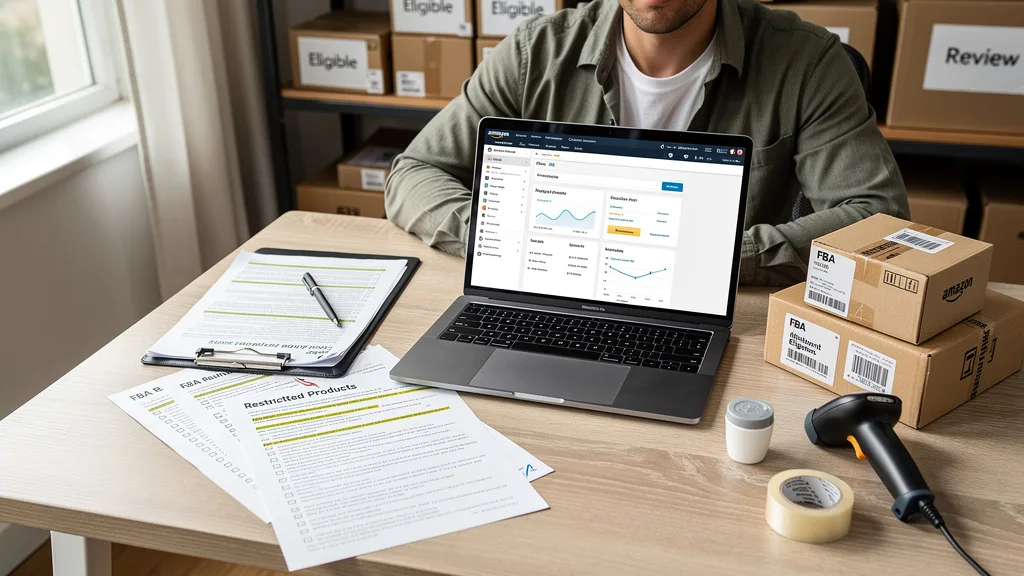
To meet Amazon FBA product eligibility for beauty products, you must ensure your items are new, properly sealed, and clearly labeled with all required information in English. You will also need to provide valid invoices from your manufacturer, safety documentation like a Certificate of Analysis (CoA), and proof of Good Manufacturing Practices (GMP) to get approved in this gated category.
The beauty and personal care category on Amazon remains one of the most lucrative and rapidly growing segments. In 2026, consumers continue to flock to the platform for convenience, variety, and trusted reviews, making it a huge marketplace for both established brands and emerging sellers. The barrier to entry, while high due to strict regulations, also means less competition from non-compliant sellers, allowing serious brands to thrive.
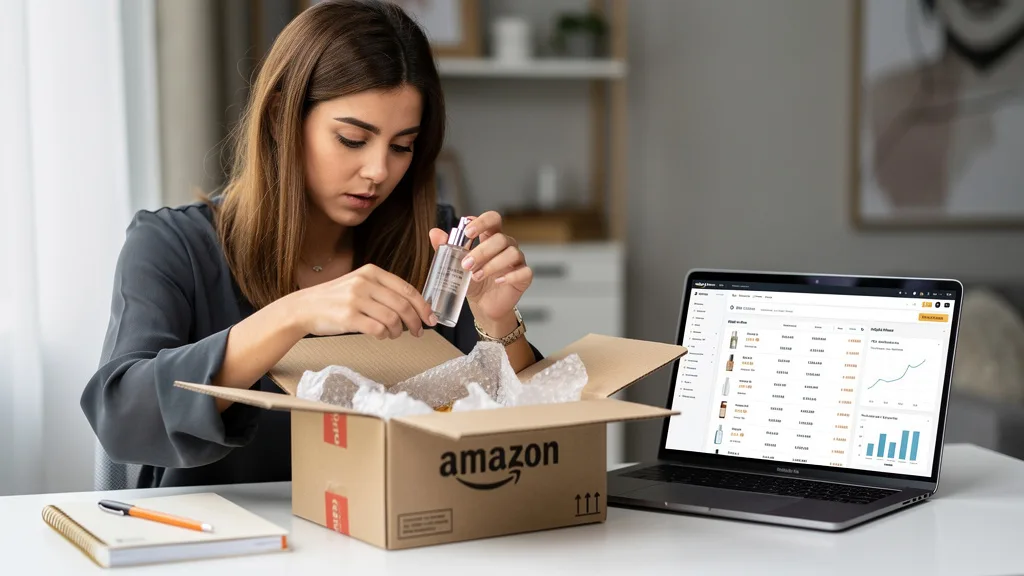
Leveraging Amazon's FBA network allows you to offer Prime shipping, which is a significant conversion driver for beauty shoppers who value fast delivery. Furthermore, Amazon's vast customer base provides an unparalleled opportunity to build brand awareness and reach millions of potential buyers actively searching for products like yours. With the right strategy, a beauty brand can scale from seven to eight figures by mastering this powerful sales channel.
Core Amazon FBA Eligibility Rules for Beauty Products
Before you can even apply to sell, you must ensure your products meet Amazon's foundational requirements for the beauty category. These rules are in place to protect customers and ensure the quality and safety of all topical products sold on the platform. Adherence is not optional and is strictly enforced by Amazon.
Packaging and Labeling Standards
Proper packaging and labeling are critical for passing Amazon's review. All beauty products must be sold in new condition, sealed in the original manufacturer's packaging. The labels must be in English and permanently affixed to the product, including essential information such as the business name and address, ingredient list, net content quantity, and any necessary warning statements. Using a manufacturer's barcode (UPC/EAN) is standard practice.
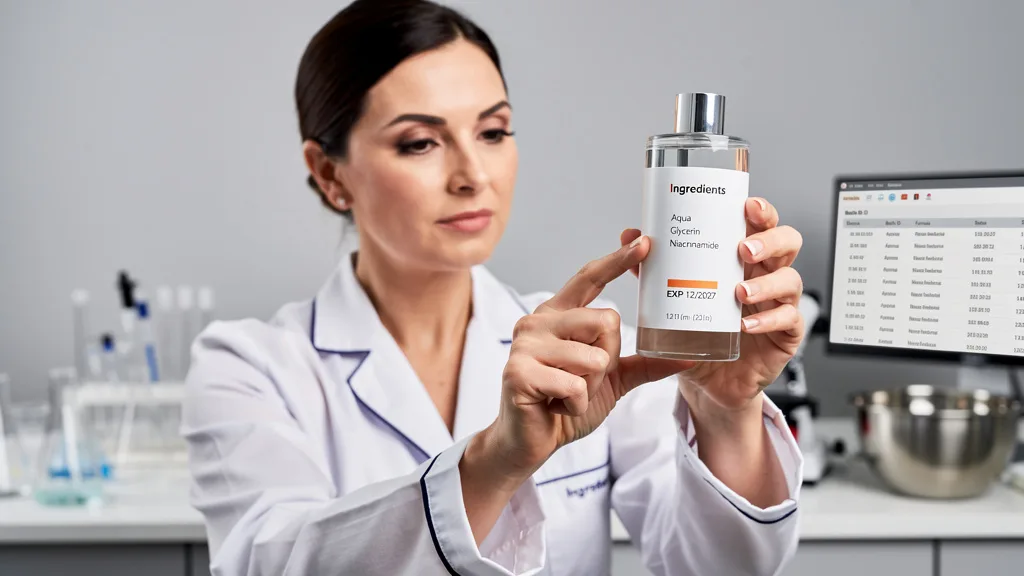
Amazon's policies are designed to ensure transparency and safety for the end consumer. Any product that is not properly sealed or lacks clear, accurate labeling will be rejected. This includes ensuring that the packaging is durable enough to withstand the FBA fulfillment process without leaking or breaking. For more information on labeling, the FDA provides a comprehensive cosmetic labeling guide that aligns with Amazon's expectations.
Product Condition and Expiration Date Policies
All beauty products sold via FBA must be new and unused. Selling used or opened cosmetics is strictly prohibited and can result in immediate account suspension. Additionally, products with an expiration date must have their shelf life clearly marked on the packaging in a MM-DD-YYYY or MM-YYYY format.
FBA has specific requirements for expiration-dated inventory. When you send products to a fulfillment center, they must have a remaining shelf life of more than 105 days. Amazon will dispose of any units that are within 50 days of their expiration date. This policy is especially important for skincare and other topical products, including those that fall under the rules for meltable products during warmer months.
Prohibited and Restricted Ingredients
Amazon maintains a long list of prohibited and restricted ingredients to comply with federal regulations and ensure customer safety. It is your responsibility as the seller to ensure your products do not contain any of these substances. Selling a product with a banned ingredient can lead to severe penalties, including the permanent closure of your selling account.
Commonly restricted items include products that require a prescription, contain controlled substances like CBD in certain markets, or make unapproved medical claims. Always cross-reference your ingredient list with Amazon's restricted products policy and relevant government regulations before listing. Understanding these restrictions is fundamental to navigating Amazon FBA product eligibility for beauty products.
| Ingredient Type | Examples | Reason for Restriction |
|---|---|---|
| Prescription Actives | Hydroquinone (>2%), Tretinoin (Retin-A) | Requires a doctor's prescription for use. |
| Controlled Substances | CBD/Hemp (Varies by marketplace) | Complex and changing legal status. |
| Harmful Chemicals | Mercury, certain phthalates | Proven health risks and toxicity. |
| Unapproved Color Additives | Any color not approved by the FDA for cosmetic use | Potential for allergic reactions or harm. |
Required Safety and Compliance Documentation
To gain approval and maintain your listings, Amazon will require you to provide specific safety and compliance documents. These papers prove that your products are safe, authentic, and manufactured to a high standard. Having these documents ready before you apply is crucial for a smooth approval process.
The most common requirements include invoices from your manufacturer or supplier, a Certificate of Analysis (CoA) for each product, and evidence of Good Manufacturing Practice (GMP) certification. For certain products, you may also need to provide a Safety Data Sheet (SDS). Failing to produce this documentation upon request is a frequent reason for listing removal or application denial.
How to Get Approval to Sell in the Beauty Category
The Beauty & Personal Care category on Amazon is "gated," meaning sellers need to apply and receive explicit permission before listing products. This process, known as category ungating, is designed to ensure that only qualified sellers offering safe and authentic products can participate. Following these steps will increase your chances of a successful application.
Step 1: Check Your Seller Account Health
Before you apply, ensure your seller account is in good standing. Amazon reviews your account health metrics as part of the approval process. You should have a Professional selling plan and maintain strong performance metrics, including a low Order Defect Rate (ODR) below 1%, a low Late Shipment Rate, and a low Pre-fulfillment Cancel Rate. An account with recent policy violations or poor performance is unlikely to be approved.
Step 2: Gather Necessary Invoices and Documents
This is the most critical step. Amazon requires you to submit legitimate invoices from a manufacturer or distributor, not pro-forma invoices or receipts from a retail store. The invoices must be dated within the last 180 days and show the purchase of a significant quantity (usually at least 10 units) of the products you intend to sell. Your business name and address on the invoice must match the information in your Seller Central account perfectly.

In addition to invoices, you may need to provide other documents like a business license, GMP certification, or a CoA. If you are the brand owner, Amazon might ask for proof of brand registration through Brand Registry. Having all this paperwork organized and ready to submit will streamline your application.
Step 3: Submit Your Application Through Seller Central
Once your account is healthy and your documents are ready, you can submit your application. From your Seller Central dashboard, navigate to 'Add a Product' and search for a product similar to the one you want to sell in the beauty category. You will see a 'Listing limitations apply' link. Click 'Request Approval' to start the application process.
You will be prompted to upload your invoices and any other required documentation. Fill out all fields accurately and submit the application. The review process can take anywhere from a few days to several weeks, so be patient. If your application is denied, Amazon will typically provide a reason, allowing you to address the issue and reapply.
Navigating Lab Testing and Compliance Requirements
For beauty and skincare brands, proving product safety through third-party lab testing and compliance is non-negotiable. Amazon may request this documentation at any time, not just during the initial application. Understanding these requirements is key to long-term success and avoiding Amazon flagging your products.
Understanding When a Certificate of Analysis Is Needed
A Certificate of Analysis (CoA) is a document issued by a third-party laboratory that confirms a product meets its predetermined specifications. For beauty products, a CoA is crucial for verifying the identity, purity, and potency of ingredients. It provides evidence that your product is free from harmful contaminants like heavy metals and microbes.

Amazon often requests a CoA for topical products, especially for a new skin care line of creams and serums or products making specific claims. This document serves as proof that what you claim on your label is actually in the product, and that it is safe for consumer use. Failing to provide a valid CoA can result in your listings being suppressed or removed entirely.
Good Manufacturing Practice (GMP) Certification
Good Manufacturing Practice (GMP) is a system for ensuring that products are consistently produced and controlled according to quality standards. For beauty brands, having your products made in a GMP-certified facility is a powerful indicator of quality and safety. While not always mandatory for the initial application, Amazon heavily favors brands that can provide GMP certification.
This certification demonstrates that your manufacturing process follows strict protocols for hygiene, traceability, and quality control. It provides Amazon and your customers with confidence in your products. For sellers, partnering with a GMP-certified manufacturer is one of the best ways to ensure you meet the high standards of the platform. You can learn more about these standards directly from regulators like the U.S. Food & Drug Administration.
Specific Rules for Skincare, Cosmetics, and Serums
While all beauty products fall under the same general category, specific sub-categories like skincare, color cosmetics, and serums often face heightened scrutiny. Products that make anti-aging, acne-fighting, or SPF claims are particularly likely to be flagged for additional documentation, as they border on being classified as over-the-counter (OTC) drugs.
If your product makes such claims, you must ensure it complies with all relevant regulations, which may include FDA registration and adherence to specific monograph standards. The rules are often similar in complexity to the Amazon FBA supplement eligibility rules. Be very careful with your listing copy and avoid making unproven medical claims, as this is one of the fastest ways to get your product delisted.
Common Mistakes to Avoid When Listing Beauty Products
Successfully navigating Amazon's beauty category involves more than just getting approved. Many sellers make critical errors after launch that jeopardize their listings and account health. By being aware of these common pitfalls, you can protect your business and build a sustainable brand on the platform. gated category.
- Making Unsubstantiated Medical Claims: Avoid language that suggests your product can treat, cure, or prevent a disease (e.g., "cures acne," "reverses aging"). Such claims classify your product as a drug, requiring FDA approval that most cosmetics do not have.
- Using Inaccurate or Misleading Images: Your product images must accurately represent the product being sold, including its size and packaging. Using photos of different products or digitally altered images that mislead customers is a policy violation.
- Incorrectly Categorizing Your Product: Listing your product in the wrong sub-category to bypass restrictions is a common but risky tactic. Always choose the most accurate category to ensure compliance and help customers find your product.
- Ignoring Intellectual Property Rights: Do not use brand names, trademarks, or copyrighted images in your listing without permission. This can lead to IP complaints and the immediate removal of your listing.
- Failing to Monitor Expiration Dates: As mentioned, FBA has strict rules for expired products. Sellers must have a system to track inventory dates to avoid having stock disposed of at their expense. This is a key part of understanding the general Amazon FBA eligibility requirements.
Trending Beauty Categories on Amazon for 2026
Staying ahead of consumer trends is vital for success in the competitive beauty space. As of 2026, several key categories are showing significant growth on Amazon, offering opportunities for savvy sellers. Aligning your product development and marketing with these trends can give you a competitive edge.
One of the most dominant trends is "Clean Beauty" and Sustainability. Consumers are increasingly seeking products with transparent, non-toxic ingredient lists and eco-friendly packaging. Brands that emphasize natural ingredients, cruelty-free testing, and recyclable materials are resonating strongly with shoppers. Another major area is Tech-Infused Skincare, which includes devices like LED therapy masks and microcurrent tools, as well as formulations that incorporate scientifically-backed ingredients like peptides and niacinamide. Finally, Inclusivity remains a key driver, with shoppers looking for brands that offer a wide range of shades and products designed for diverse skin types and tones.
Key Takeaways
Successfully selling beauty products on Amazon in 2026 hinges on meticulous preparation and strict adherence to the platform's rules. Understanding the nuances of product eligibility is not just about getting approved, it's about building a sustainable and profitable brand. Here are the most critical points to remember:
- Compliance is Non-Negotiable: Your products must be new, properly sealed, and labeled in English with all required information. Prohibited ingredients and unsubstantiated medical claims are immediate red flags.
- Documentation is Your Key: Prepare all necessary paperwork before applying. This includes legitimate invoices, a Certificate of Analysis (CoA), and proof of Good Manufacturing Practice (GMP).
- Account Health Matters: Maintain excellent seller metrics. Amazon will not approve an account with a poor performance history for a gated category like beauty.
- Expiration Dates are Critical: You must have a robust system for managing expiration-dated inventory to avoid costly stock disposals and comply with FBA policies.
- Stay Informed on Trends: Align your brand with growing trends like clean beauty, sustainability, and inclusivity to capture the attention of modern consumers on the platform.
Frequently Asked Questions
Is selling beauty products on Amazon still profitable in 2026?
Yes, selling beauty products on Amazon remains highly profitable in 2026 for brands that can successfully navigate the compliance requirements. The market is vast, and consumer demand for skincare, cosmetics, and personal care items online continues to grow. The high barrier to entry due to strict gating and documentation actually benefits serious sellers by reducing competition from low-quality or non-compliant products.
Profitability hinges on a solid strategy that includes sourcing high-quality products, optimizing listings with compelling copy and images, and running efficient PPC campaigns. Brands that focus on building a loyal customer base through quality and transparency can achieve significant, scalable growth and reach 8-figure revenues on the platform.
Can I sell homemade or artisanal beauty products through FBA?
Selling homemade or artisanal beauty products on Amazon is extremely challenging and generally not recommended for new sellers. The primary obstacle is the documentation requirement. Amazon requires invoices from a verifiable manufacturer and proof of Good Manufacturing Practices (GMP), which are difficult for a home-based producer to provide.
To comply, you would need to have your production facility registered and certified, and your products would need to undergo professional lab testing to generate a Certificate of Analysis (CoA). While not impossible, the investment and regulatory hurdles are substantial. Most sellers find it more feasible to partner with an established, GMP-certified contract manufacturer.
How long does it typically take to get approved for the beauty category?
The approval time for the beauty category on Amazon can vary significantly. If you have a healthy seller account and provide all the correct documentation in a clear and organized manner on your first attempt, you could be approved in as little as 24-48 hours. However, this is the best-case scenario.
More commonly, the process takes anywhere from a few days to several weeks. Delays often occur if Amazon requires additional information, if the submitted invoices are not accepted, or if your application is manually reviewed during a period of high volume. It's wise to factor in a potential wait time of 2-3 weeks into your business timeline.
What are the most common reasons for a beauty product being rejected?
The most frequent reasons for rejection stem from documentation issues and non-compliance. Invalid invoices are a top cause; Amazon will reject retail receipts, pro-forma invoices, or invoices that don't match the information in your Seller Central account. Another major reason is the inability to provide a valid Certificate of Analysis (CoA) or GMP certification when requested.
Beyond documentation, listings are often rejected for making prohibited medical claims (e.g., claiming to cure a skin condition). Other common issues include products containing restricted ingredients, improper or non-compliant labeling, and packaging that is not properly sealed. Ensuring every aspect of your product and documentation is flawless is the best way to avoid rejection.
Do I need a special license to sell skincare products on Amazon?
You do not need a specific state or federal "license" to sell general skincare products on Amazon, in the way a doctor needs a medical license. However, you are required to prove that your products are compliant with all applicable laws and Amazon policies, which serves a similar purpose. This proof comes in the form of documentation.
Instead of a single license, you must be prepared to provide a bundle of compliance documents. This includes proof of your business registration, invoices from your manufacturer, GMP certification for the production facility, and a CoA for your products. If your product makes claims that classify it as an OTC drug (like SPF or anti-acne products), you will also need to comply with FDA registration and monograph requirements.
Conclusion
Mastering Amazon FBA product eligibility for beauty products is your first and most critical step toward building a thriving brand on the world's largest ecommerce platform. While the requirements for documentation, labeling, and compliance are rigorous, they exist to create a trusted marketplace for consumers and a level playing field for serious sellers. By approaching the process with diligence and a commitment to quality, you can unlock immense growth potential and scale your business to new heights in 2026.
If you're a 7-figure brand owner ready to navigate these complexities and accelerate your growth, ensuring your listings are perfectly optimized from day one is key. An expert audit can uncover hidden opportunities and protect you from costly compliance errors. Get a comprehensive analysis of your product listings to ensure you're positioned for maximum profitability and success. Get your Free Audit today.