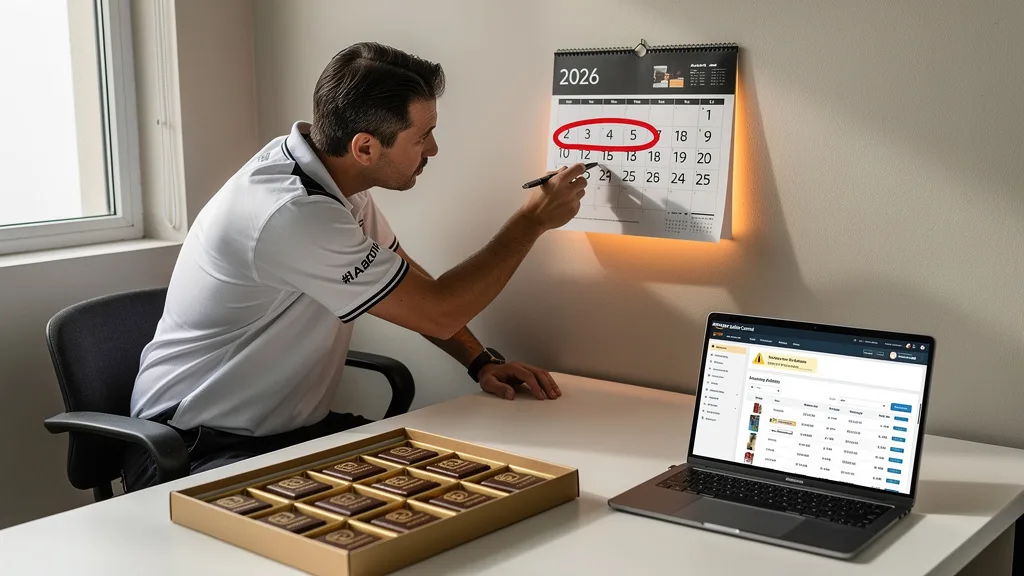
Are you risking your inventory and account health by overlooking Amazon's strict policies on heat-sensitive products? For many FBA sellers, navigating the rules for meltable goods can be a confusing and costly challenge. Understanding the key dates and requirements is not just about compliance; it's about protecting your profits and maintaining your selling privileges.
The Amazon FBA meltable products rules and deadlines for 2026 dictate that any heat-sensitive inventory must be removed from fulfillment centers before the summer months. Typically, this period runs from April 15 to October 15. Products not removed by the deadline are disposed of at the seller's expense. To remain compliant, you must identify your meltable products, create removal orders on time, and plan for their storage or fulfillment during this restricted period.
Amazon's meltable product policy is a set of guidelines designed to protect product integrity and ensure a positive customer experience during warmer months. The policy defines meltable products as any heat-sensitive items, such as chocolates, gummies, and select wax-based products, that can be damaged by high temperatures during storage and shipping. To prevent this, Amazon prohibits the storage of these goods in its non-climate-controlled fulfillment centers during a specific period, generally from mid-April to mid-October.

The core of the policy requires sellers using Fulfillment by Amazon (FBA) to remove all their meltable FBA inventory before the start of this restricted period. Any meltable inventory remaining in fulfillment centers after the deadline will be automatically disposed of by Amazon, and you will be charged for the disposal. This policy ensures that customers do not receive damaged or melted products, which would lead to returns, negative reviews, and damage to both the seller's and Amazon's reputation.
Key FBA Meltable Inventory Deadlines for 2026
Staying on top of the key dates for 2026 is non-negotiable for sellers with heat-sensitive products. Missing these deadlines can lead to significant financial loss from disposed inventory and lost sales opportunities. For 2026, the two most critical dates are the removal deadline before the summer and the restock window for Q4.
Removal Deadline for Current Inventory
The first major deadline is the date by which all meltable inventory must be removed from Amazon's fulfillment centers. For 2026, sellers should plan to have all heat-sensitive products out of FBA facilities by April 15, 2026. It is crucial to create your removal orders in Seller Central well in advance of this date to account for processing times, which can be lengthy as the deadline approaches.
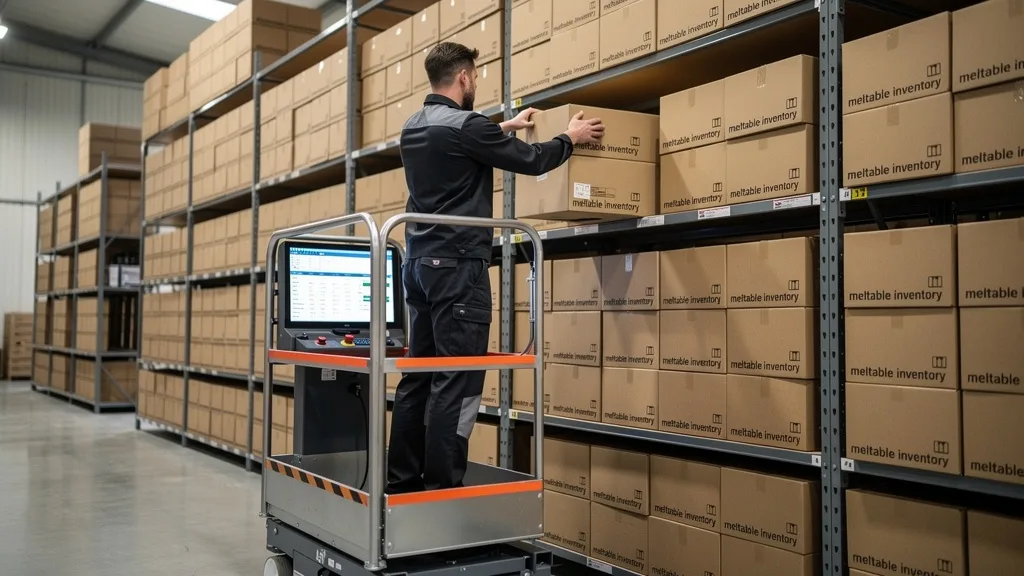
Failing to remove your inventory by this inventory deadline will result in Amazon disposing of the products at your expense. You will not be reimbursed for the value of the disposed goods. Proactive inventory management and early planning are your best defense against these costly outcomes. Start identifying your meltable ASINs and planning your removal strategy in February or March to ensure a smooth transition.
Restock Window for the Holiday Season
After the restricted period, Amazon once again allows sellers to send meltable products to its fulfillment centers. The restock window for 2026 is expected to open on October 16, 2026. This allows you to replenish your stock just in time for the busy Q4 holiday shopping season, which includes Black Friday, Cyber Monday, and Christmas.
Timing your inbound shipments is critical. You can begin creating shipping plans before the window opens, but ensure your inventory does not arrive at the fulfillment center before October 16. Sending items too early can result in the shipment being rejected. Proper demand forecasting will help you determine the right amount of inventory to send, balancing sales potential with the risk of overstocking. A well-executed Amazon PPC management strategy can provide valuable data for this forecasting.
Identifying Your Heat-Sensitive FBA Products
The first step in complying with the meltable policy is accurately identifying which of your products fall under this classification. Amazon maintains a broad definition, and sometimes products you might not expect are flagged as heat-sensitive. Diligent auditing of your catalog is essential to avoid surprises.
Common Categories of Meltable Goods
While not exhaustive, Amazon's policy primarily targets products that can melt, soften, or otherwise be damaged by temperatures between 75 and 155 degrees Fahrenheit. It's important to review your entire product line, but pay special attention to items in these common categories:
- Chocolates (including items with chocolate coatings)
- Gummies (vitamins, supplements, and candy)
- Wax-based products (certain candles, hair styling waxes)
- Select jelly and gelatin-based items
- Certain cosmetics like lipsticks, balms, and creamy foundations
Remember that even products sold year-round may be considered meltable. For example, a gift basket that contains a small chocolate bar will be subject to the policy. Always check the classification for each individual ASIN.
How to Check if Your Product Is Classified as Meltable
Amazon provides a few ways for you to determine if a product is on the meltable list. The most reliable method is to use the "FBA Meltable Inventory" report in your Seller Central account. This report, typically available in the months leading up to the deadline, lists all ASINs that Amazon has identified as meltable.
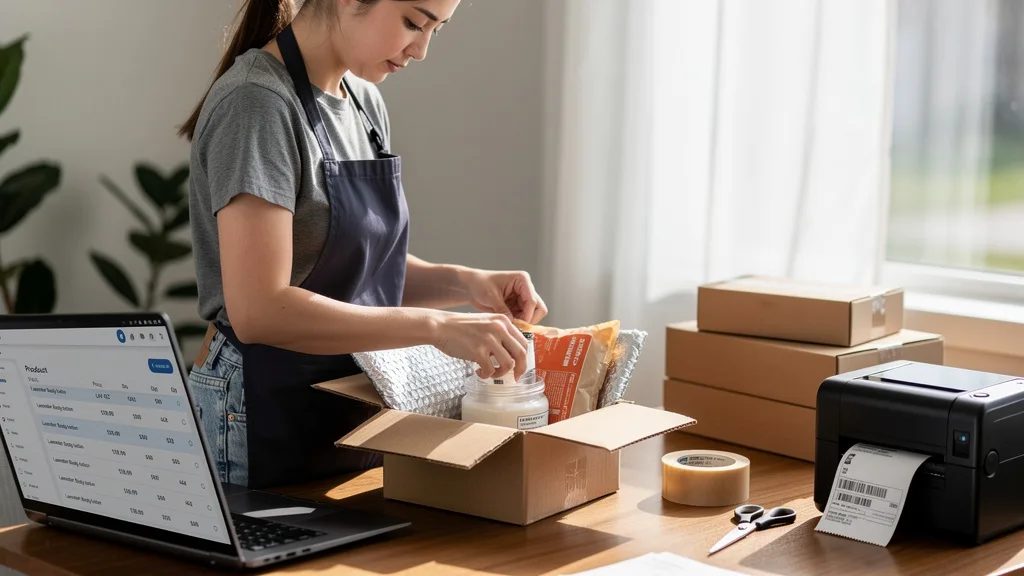
You can also check an ASIN individually. Go to the "Add a Product" tool in Seller Central and search for the ASIN. If it is classified as meltable, you may see a notification or restriction when you attempt to create an FBA shipping plan during the restricted period. Finally, check your email and Seller Central notifications, as Amazon often sends alerts to sellers with affected inventory. Ensuring your product pages are accurate is a core part of Amazon listing optimization and can help prevent incorrect classifications.
How to Fulfill Requirements for Meltable Inventory
Once you've identified your meltable products, you need a clear plan to fulfill the requirements before the deadline. This involves creating removal orders, finding alternative storage, and planning the return of your inventory for the Q4 selling season. Proper execution here separates prepared sellers from those who face penalties.
Creating Removal Orders Before the Deadline
Creating removal orders is a straightforward process in Seller Central, but you must act early. Navigate to your "Manage FBA Inventory" page, select the meltable ASINs, and from the dropdown menu, choose "Create Removal Order." You will have the option to have the inventory returned to your address or a third-party location, or to have it disposed of by Amazon.

Given that you want to sell this inventory later, you should have it returned. Be aware that removal fees apply and are charged per item. Processing times can increase significantly as the April 15 deadline approaches, so submitting your orders by mid-to-late March is a wise strategy to ensure all units are removed on time.
Choosing Storage Options During Restricted Months
During the restricted summer months, you need a place to store your returned inventory. Your primary options are storing it yourself or using a third-party logistics (3PL) provider. If you have a small amount of inventory and access to a climate-controlled space, self-storage can be cost-effective. However, this adds the burden of managing and shipping the products yourself if you sell via Fulfilled by Merchant (FBM).
For most scaling brands, a 3PL is a more practical solution. Many 3PLs offer climate-controlled warehousing and can handle FBM order fulfillment on your behalf. When selecting a 3PL, verify their experience with Amazon prep requirements to ensure a smooth process when you're ready to send your inventory back to FBA in the fall.
"Effectively managing your Amazon FBA meltable products rules and deadlines for 2026 is a test of your operational agility. Brands that master this transition from FBA to FBM and back again protect their cash flow and capture sales year-round, while others see their profits melt away."
Best Practices for Sending Inventory Back to FBA
When the restock window opens on October 16, 2026, you'll want to get your products back into Amazon's fulfillment centers quickly to capture holiday sales. To ensure a seamless process, prepare your shipments in advance. This includes ensuring all products are correctly labeled, packaged according to Amazon's standards, and consolidated into shipments for efficiency.
Work with your 3PL or internal team to have the shipments ready to go before the go-live date. Create your shipping plans in Seller Central ahead of time. Once the window opens, you can approve the shipments and have your carrier pick them up. This proactive approach minimizes downtime and ensures your products are available for sale as soon as possible, maximizing your Q4 revenue potential.
Strategies to Manage Meltable Products Effectively
Beyond simply complying with the rules, successful sellers develop strategies to turn the meltable challenge into a competitive advantage. This involves shifting fulfillment methods and leveraging data to make smarter inventory decisions, allowing you to continue selling and generating revenue year-round. costly penalties.
Using Fulfilled by Merchant (FBM) in the Summer
The most effective strategy for managing meltable products during the FBA blackout period is to switch your listings to Fulfilled by Merchant (FBM). This allows you to continue selling your products directly to customers without interruption. You become responsible for storing the inventory, picking, packing, and shipping orders as they come in.
While FBM requires more hands-on effort, it prevents a four-month gap in your sales history and revenue stream. You will need a reliable system for shipping temperature-sensitive goods, which may include using insulated boxes and cold packs to protect items in transit. Partnering with a 3PL can automate this process, providing a seamless experience for your customers that rivals FBA.
Forecasting Demand to Avoid Excess Stock
A key part of managing meltable inventory is avoiding overstock situations before the April removal deadline. The more excess stock you have, the higher your removal and storage costs will be. Use your historical sales data, seasonality trends, and advertising performance to forecast demand more accurately.
Analyze your sales velocity from the previous year and adjust based on your current growth trajectory. A well-run advertising campaign can help you sell through inventory more quickly before the deadline. Consider running a targeted promotion or increasing your ad spend in March to clear out remaining units. A comprehensive Amazon PPC audit can reveal opportunities to optimize your campaigns for a final sales push.
Penalties for Not Following Amazon's Meltable Policy
The consequences of failing to comply with Amazon's meltable inventory policy are direct and costly. Amazon takes this policy seriously to protect its customers and operational efficiency, and there is very little leniency for sellers who do not follow the rules. Ignoring the deadlines is not a viable option for any serious brand.
The primary penalty is the disposal of your non-compliant inventory at your expense. If you do not create a removal order for your meltable products by the April 15 deadline, Amazon will dispose of them. You will be charged a disposal fee for each unit and will not be reimbursed for the lost inventory. This can represent a significant financial loss, especially for sellers with large quantities of stock. Furthermore, repeated violations can lead to negative marks on your account health and may even result in a suspension of your FBA selling privileges for those ASINs.
Key Takeaways
Navigating the Amazon FBA meltable products rules and deadlines for 2026 requires proactive planning and strategic execution. Here are the most critical points to remember:
- Mark Your Calendar: The key dates for 2026 are the removal deadline of April 15 and the restock date of October 16. Plan your logistics around these dates.
- Identify and Remove: Audit your catalog to identify all heat-sensitive products and create removal orders well in advance of the deadline to avoid automatic disposal.
- Switch to FBM: Continue selling during the summer by switching your listings to Fulfilled by Merchant. Use a 3PL or your own warehouse with climate control and proper shipping supplies.
- Forecast and Liquidate: Use sales data to forecast demand accurately and avoid overstocking before the removal deadline. Use promotions and PPC to sell through excess inventory.
- Avoid Penalties: Non-compliance results in the disposal of your inventory at your cost and can harm your account health. The risks of ignoring the policy far outweigh the costs of compliance.
Frequently Asked Questions
Is FBA still profitable in 2026?
Yes, Amazon FBA remains a highly profitable business model for many sellers in 2026. Success depends on factors like product selection, sourcing, effective marketing, and operational efficiency. While fees have increased over time, the access FBA provides to Amazon's massive customer base and Prime shipping is unparalleled.
Profitability requires careful management of costs, including inventory fees, advertising spend, and removal orders for policies like the meltable goods rule. Brands that optimize their listings with strong Amazon SEO and manage their ad campaigns for profit can achieve significant growth and scale successfully.
Is Amazon FBA Prep ending?
No, Amazon FBA Prep services are not ending. In fact, they remain a critical part of the FBA ecosystem. FBA Prep involves preparing your products to meet Amazon's strict packaging and labeling requirements before they are sent to fulfillment centers. This can be done by the seller, a third-party prep center, or by Amazon itself through its FBA Prep Service.
Confusion may arise from changes in specific programs or fee structures, but the fundamental need for FBA prep is stronger than ever. Using a reliable prep service ensures your inventory is received quickly and without issues, which is vital for maintaining in-stock levels and sales velocity.
What happens if I miss the meltable removal deadline?
If you miss the April 15, 2026, deadline to remove your meltable FBA inventory, Amazon will automatically dispose of any remaining units in its fulfillment centers. You will be charged a disposal fee for every item that is disposed of, and you will not be compensated for the value of the lost inventory.
This is a purely financial loss with no recourse. It underscores the importance of creating removal orders several weeks before the deadline to account for Amazon's processing times. Proactive management is the only way to prevent this negative outcome.
Can I get an exemption for my meltable products?
In almost all cases, you cannot get an exemption for products that Amazon classifies as meltable. The policy is applied uniformly across the platform to ensure product quality and customer satisfaction during the hot summer months. The temperature threshold is the determining factor, not the specific brand or product packaging.
Instead of seeking an exemption, your efforts are better spent on developing a solid strategy for managing these products. This includes planning for removals, securing alternative storage, and utilizing FBM to continue sales. There are many 5 Top Tips for Selling meltable inventory that can help you succeed.
Are there specific packaging requirements for heat-sensitive items?
When you are fulfilling orders yourself via FBM during the summer, it is highly recommended to use specific packaging to protect heat-sensitive items. While Amazon doesn't mandate this for FBM, it's crucial for customer satisfaction and preventing negative reviews. This includes using insulated mailers or box liners and adding cold packs (gel packs) to the package.
This type of packaging helps maintain a stable, cooler temperature during transit, reducing the risk of the product melting before it reaches the customer. The additional cost of these materials should be factored into your pricing or shipping strategy for the summer months.
Conclusion
Successfully managing the Amazon FBA meltable products rules and deadlines for 2026 is a key operational hurdle that, when handled correctly, can protect your revenue and set you apart from less prepared competitors. By identifying your heat-sensitive inventory early, planning removals, and leveraging FBM, you can transform a potential liability into a manageable part of your annual sales cycle. This proactive approach not only ensures compliance but also safeguards your brand's reputation and profitability on the world's largest marketplace.
Ready to ensure your Amazon operations are optimized for profitability and compliance? Many 7-figure sellers struggle with the complexities of inventory management and account health. We can help you build a resilient strategy that scales. Get a comprehensive analysis of your listings and account to identify untapped growth opportunities. Request your Free Audit today.
If you want help turning this into a concrete plan for your site or team, take the next step below to apply Amazon FBA Meltable Products Rules and Deadlines 2026 with confidence.
Ready to act on Amazon FBA Meltable Products Rules and Deadlines 2026? Free Audit — tell us your goal, and we will help you pick the highest-leverage next step so you are not guessing alone.