
Are you doing everything you can to protect your Amazon store from claims that could jeopardize your account health and profits? The Amazon A-to-Z Guarantee is a cornerstone of buyer confidence, but for sellers, it can be a source of significant stress and financial loss. Understanding how to navigate this system is not just about damage control; it's about building a resilient and profitable brand.
An Amazon A-to-Z claim allows buyers to request a refund directly from Amazon if they have an issue with an item purchased from a third-party seller that cannot be resolved with the seller directly. This guide provides a complete framework for preventing these claims, effectively responding when they occur, and protecting your seller metrics in 2026. Proactive measures in shipping, listing accuracy, and customer service are your best defense against claims impacting your Order Defect Rate and overall account standing.
What Is an Amazon A-to-Z Claim for Sellers?
For an Amazon seller, an A-to-Z Guarantee claim is a formal complaint lodged by a customer who is unsatisfied with their purchase and could not resolve the issue with you directly. It acts as Amazon's buyer protection policy, ensuring customers receive their items in the condition and timeframe promised. When a buyer files a claim, Amazon steps in to mediate and will ultimately decide whether to issue a refund from your account.
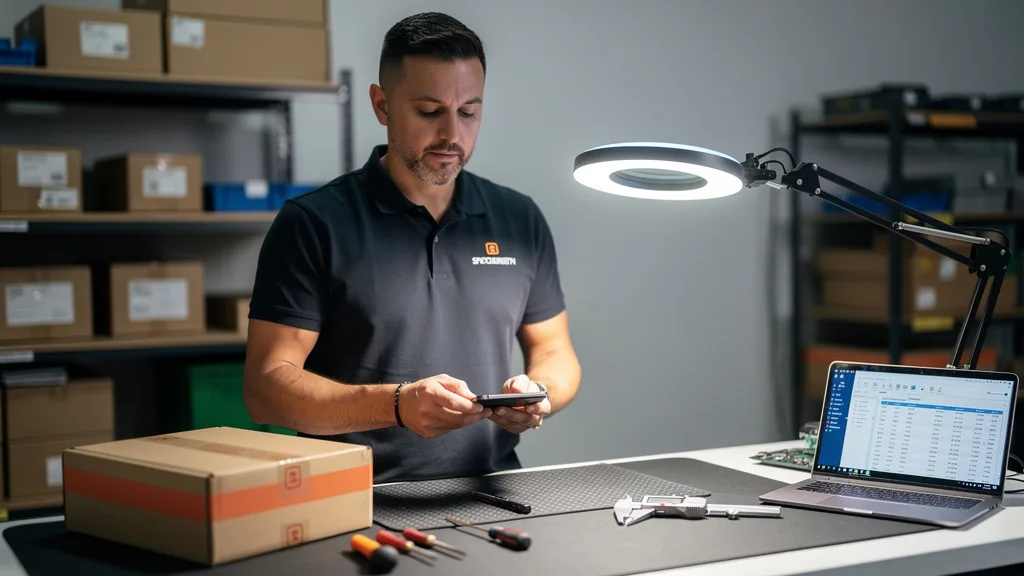
These claims are not simple return requests. They represent a significant escalation in a customer dispute and are taken very seriously by Amazon. A claim can be filed for various reasons, including non-delivery, receiving a damaged or defective product, or discrepancies between the product received and its description on the detail page. Understanding the legitimacy and process of these claims is the first step in creating a strategy to minimize their impact on your business.
How A-to-Z Claims Impact Your Seller Account Health
The most direct impact of an A-to-Z claim is on your Order Defect Rate (ODR). Your ODR is a key performance metric that measures your ability to provide a good customer experience. It is calculated using negative feedback, A-to-Z Guarantee claims, and credit card chargebacks. Amazon requires sellers to maintain an ODR under 1% to continue selling on the platform.
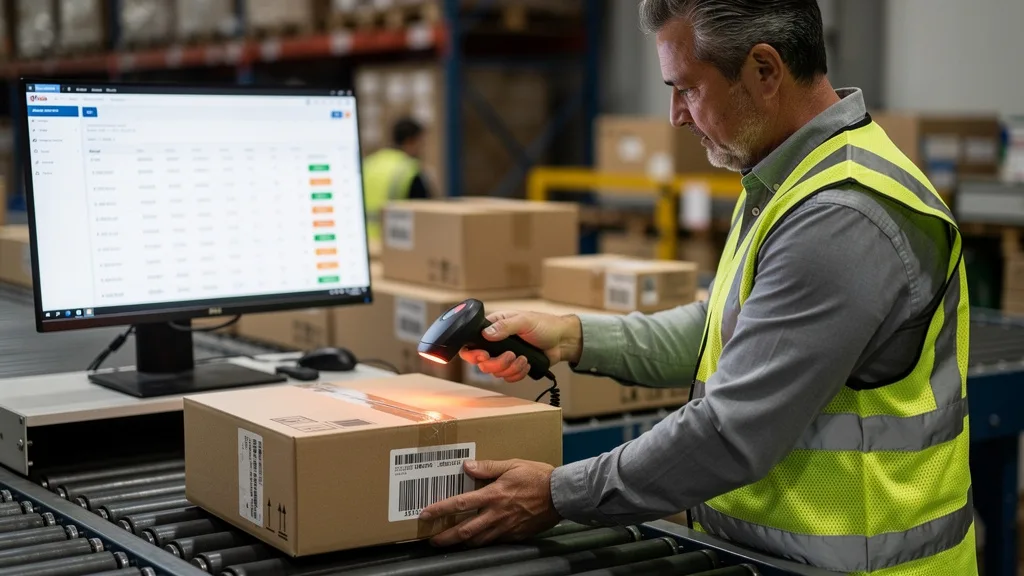
A single claim that is found in the buyer's favor will negatively affect your ODR. If your ODR exceeds the 1% threshold, you risk consequences ranging from losing the Buy Box eligibility to account suspension or even permanent removal of your selling privileges. This makes prevention and successful defense of claims a critical component of your account management strategy. Even if you win a claim, the time and resources spent defending it represent a cost to your business.
"In 2026, scaling to eight figures on Amazon requires a zero-tolerance policy for preventable errors. Mastering your response to Amazon A-to-Z claims: a seller's guide to prevention is not optional; it's fundamental to protecting your ODR and ensuring long-term profitability."
Common Reasons Buyers File A-to-Z Guarantee Claims
Understanding why buyers file claims is essential for developing effective prevention strategies. Most claims fall into three main categories: issues with delivery, problems with the item's condition, and disputes related to returns or refunds. By addressing the root causes in each area, you can significantly reduce your vulnerability to these costly disputes.
Problems with Timely Delivery or Non-Receipt
One of the most frequent reasons for an A-to-Z claim is when a buyer's order does not arrive on time or at all. A claim can be filed if the package hasn't arrived three days after the latest estimated delivery date or 30 days from the order date, whichever is sooner. This highlights the absolute necessity of using reliable shipping carriers that provide valid tracking information.
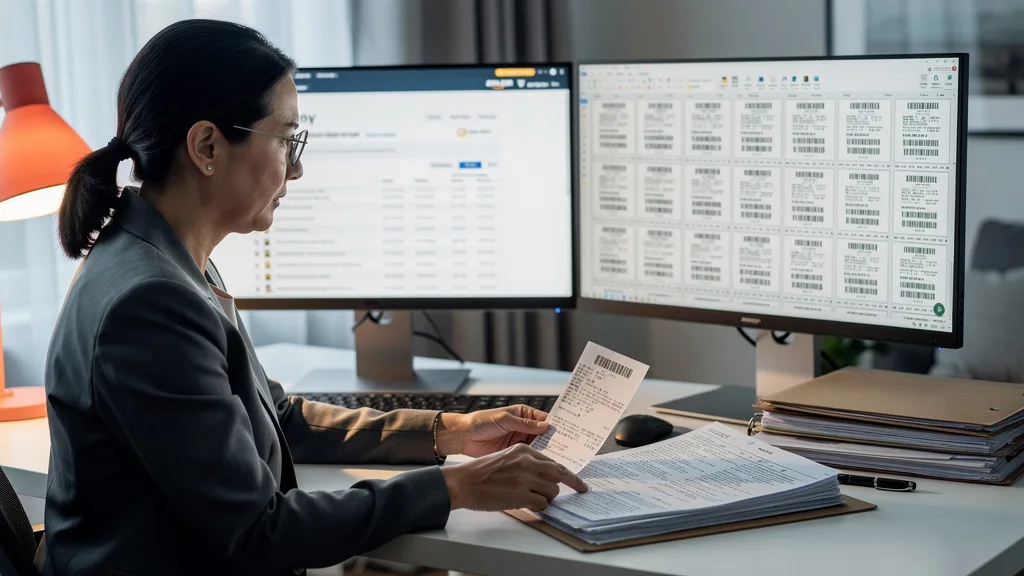
Even if you ship an item on time, you are responsible for it until it is delivered to the buyer. If tracking shows the item was delivered but the buyer claims they never received it, a claim can still be filed. In these cases, using Amazon Buy Shipping or having signature confirmation for high-value orders can provide crucial protection against a claim being decided in the buyer's favor.
Item Condition Issues: Damaged, Defective, or Not as Described
When a customer receives a product that is damaged, defective, or materially different from what was described in the listing, they are eligible to file a claim. This is a broad category that underscores the importance of quality control and accurate product detail pages. A 'materially different' complaint can arise from incorrect colors, sizes, or features being listed.
To prevent these claims, your listings must be meticulously accurate. This includes high-quality images from all angles, precise measurements, and honest descriptions of the product's condition, especially if you sell used items. Investing in a thorough Amazon listing optimization process is one of the best proactive measures you can take to ensure customer expectations align with the product they receive.
Disputes Over Returns and Refunds
Return and refund disputes are another common trigger for A-to-Z claims. A buyer might file a claim if you fail to issue a refund after a return has been delivered back to you, or if they disagree with the refund amount. For example, if you withhold a restocking fee that the buyer feels is unfair, they may escalate the issue.
It's also critical to handle international returns correctly. If you are an international seller, you must provide a local return address in the United States or offer a prepaid return label for the buyer. Failure to provide a valid return method can result in an immediate A-to-Z claim where the buyer is granted a full refund without needing to return the item.
Proactive Strategies to Prevent Amazon A-to-Z Claims
The best way to handle an A-to-Z claim is to prevent it from ever being filed. By implementing robust operational processes, you can minimize customer issues and protect your account health. Focus on creating clear, accurate listings, ensuring reliable delivery, and providing excellent customer service.
Write Accurate and Detailed Product Listings
Your product listing is your primary communication tool with the customer. Ensure it is 100% accurate and leaves no room for misinterpretation. Use high-resolution images and videos that show the product from every angle. Write clear, concise bullet points and a detailed description that covers all features, dimensions, and materials.
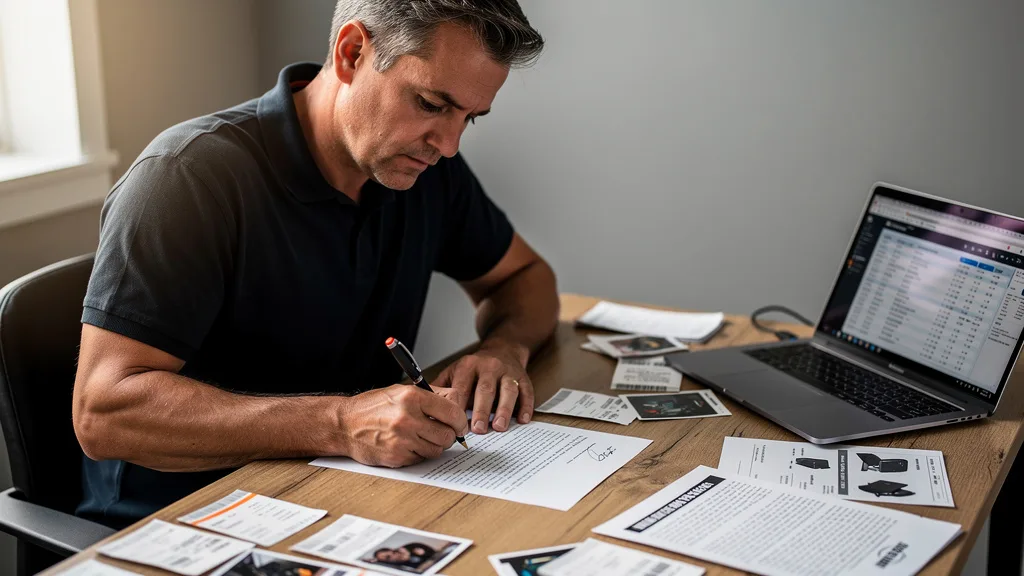
Be completely transparent about the item's condition. If you sell used goods, describe any scuffs, scratches, or defects with precision. An effective Amazon SEO strategy not only helps you rank higher but also ensures you attract the right buyers, reducing the chance of mismatched expectations that can lead to claims.
Optimize Your Shipping with Tracking and Delivery Confirmation
Your shipping process must be flawless. Always ship orders within the promised timeframe and use reliable carriers that provide valid tracking information. Amazon requires tracking for most shipments, and failing to provide it makes you automatically liable for any non-delivery claim.
For high-value items, consider adding signature confirmation as an extra layer of protection. Using Amazon's Buy Shipping services can also offer a safeguard, as Amazon may cover the cost of an A-to-Z claim for non-delivery if you purchased the shipping label through their system and shipped on time.
Provide Exceptional and Responsive Customer Service
Excellent customer service is your first line of defense. Amazon requires sellers to respond to all buyer messages within 24 hours, including on weekends and holidays. A prompt, professional, and helpful response can often resolve an issue before the buyer even considers filing a claim.
Listen to the customer's problem, empathize with their frustration, and offer a clear solution. Whether it's a replacement, a partial refund, or instructions for a return, a quick resolution shows the customer you value their business. If you're struggling to keep up, getting expert help with Amazon seller support can streamline your communication and de-escalate potential conflicts.
Your Step-by-Step Guide to Responding to a Claim
Despite your best efforts, you may eventually receive an A-to-Z claim. When this happens, you have a very short window to respond professionally and with sufficient evidence. Acting quickly and methodically is key to winning the claim and protecting your ODR.
Step 1: Analyze the Claim Details in Seller Central
The moment you receive a claim notification, go to the A-to-Z Guarantee Claims page in Seller Central. Read the buyer's comments and the reason for the claim carefully. Understand exactly what the customer is alleging, whether it's non-delivery, a defective item, or a return issue. Do not rush to respond.
Take note of all the dates: the order date, ship date, estimated delivery date, and the date the claim was filed. This information will be crucial for building your response. Analyze the situation from an objective perspective to determine the best course of action. customer service.
Step 2: Gather All Necessary Evidence and Documentation
Your response is only as strong as the evidence you provide. You must gather all relevant documentation to support your case. This is where your diligent record-keeping pays off. Your goal is to prove to Amazon that you fulfilled your obligations as a seller.
Essential evidence to collect includes:
- Valid tracking information showing transit and delivery status.
- Proof of delivery, such as a signature confirmation image.
- All communication exchanged with the buyer through Amazon's messaging service.
- Photos or videos of the product before shipping, if available.
- Proof of a refund if one has already been issued.
Step 3: Submit Your Response Within the 48-Hour Window
You have only 48 hours to submit your representation to Amazon. If you fail to respond within this timeframe, the claim will automatically be granted to the buyer, and your account will be debited. There are no extensions to this deadline, so it is absolutely critical to act fast.
When you write your response, be professional, concise, and stick to the facts. Use a bullet-point format to make your case easy for the Amazon investigator to read. Reference the evidence you have gathered and clearly state why the claim should be denied. Avoid emotional language and focus solely on presenting your side of the story with supporting proof.
| Claim Type | Required Evidence | Key Action |
|---|---|---|
| Item Not Received | Valid tracking number, proof of delivery (signature confirmation is best), ship date. | Prove the item was shipped on time and delivered to the buyer's address. |
| Item Not as Described | Photos of the item, communication with the buyer, proof of return authorization. | Show that the item matched the listing or that you offered a valid return option. |
| Return/Refund Dispute | Return tracking number, photos of the returned item, proof of refund issuance. | Demonstrate that you followed Amazon's return and refund policies correctly. |
How to Appeal an A-to-Z Claim Decision
If Amazon decides a claim in the buyer's favor but you believe you have strong evidence to the contrary, you have the option to appeal. You must file your appeal within 30 days of the initial decision. This is your final opportunity to present your case, so it's important to be thorough and provide any new information that may not have been included in your initial response.
To appeal, go to the A-to-Z claims page, find the relevant claim, and click the "Appeal decision" button. In your appeal, clearly and concisely explain why you believe the decision was incorrect. Refer back to your evidence and Amazon's policies. For example, if you used Buy Shipping and the claim was for non-delivery, you can cite Amazon's own policy that states they will cover such claims. For more details on the process, you can reference this independent Amazon A-to-Z guide.
Key Takeaways
Successfully managing A-to-Z claims is a critical skill for any serious Amazon seller. Protecting your account health and profitability depends on a proactive approach rather than a reactive one. Here are the most important takeaways from our guide:
- Prevention is Paramount: The best defense is a strong offense. Focus on accurate listings, reliable shipping with tracking, and responsive customer service to prevent claims from being filed in the first place.
- ODR is Critical: A-to-Z claims directly impact your Order Defect Rate (ODR). Keeping your ODR below 1% is essential to avoid Buy Box suppression and account suspension.
- Act Fast and Factually: When a claim is filed, you have only 48 hours to respond. Gather all evidence and present a concise, professional, fact-based case to Amazon.
- Use Amazon's Tools: Leveraging services like Amazon Buy Shipping can provide an automatic layer of protection against non-delivery claims.
- Document Everything: Your ability to win a claim or an appeal depends entirely on the quality of your documentation. Keep detailed records of shipments, communication, and product conditions.
Frequently Asked Questions
Is the Amazon A-to-Z Guarantee legit?
Yes, the Amazon A-to-Z Guarantee is a legitimate and integral part of the Amazon marketplace. It was established to build customer trust and confidence when purchasing from third-party sellers. The guarantee protects buyers in situations where they have a problem with an order's condition or timely delivery and are unable to resolve it directly with the seller.
For sellers, this means the policy is a serious business rule that must be respected. While it can sometimes feel biased toward the customer, its purpose is to maintain the integrity of the marketplace, which ultimately benefits all sellers by encouraging more people to shop on Amazon.
What is the process for a buyer to file an A-to-Z claim?
For a buyer to file an A-to-Z claim, they must first attempt to contact the seller through Amazon's messaging system and wait 48 hours for a response. If the seller does not respond or if the issue is not resolved to the buyer's satisfaction after this period, the option to file a claim becomes available in their account.
The buyer then navigates to their orders, selects the problematic order, and follows the prompts to file the claim. They must choose a reason for the claim, such as non-delivery or an item not as described, and provide a brief explanation. Once submitted, the seller is notified and the 48-hour response window begins.
What happens if a seller ignores an A-to-Z claim?
Ignoring an A-to-Z claim is one of the worst actions a seller can take. If a seller does not respond to the claim within the mandatory 48-hour window, Amazon will automatically rule in favor of the buyer. This is a default loss for the seller.
The consequences are immediate: the full claim amount will be debited from the seller's account, and the claim will be counted against their Order Defect Rate (ODR). There is no opportunity to appeal an automatically granted claim. Consistently ignoring claims is a fast track to account suspension.
Can issuing a direct refund prevent an A-to-Z claim?
Yes, in many cases, issuing a prompt refund can prevent an A-to-Z claim from being filed. If a customer contacts you with a legitimate issue, offering a full refund (or another mutually agreeable solution) within the initial 48-hour contact window often resolves the problem before they feel the need to escalate to a claim.
However, once a claim is filed, issuing a refund directly from the order details page will not close the claim. You must still respond to the claim itself. Within the claim response, you can choose to issue a refund, which will resolve the claim but will still count against your ODR. The best practice is to resolve issues via direct messaging before a claim is ever opened.
Conclusion
Navigating Amazon A-to-Z claims: a seller's guide to prevention is essential for maintaining a healthy and profitable Amazon business in 2026. By focusing on proactive strategies such as creating flawless listings, ensuring bulletproof shipping, and providing stellar customer service, you can significantly reduce the frequency of these disputes. When claims do occur, a swift, evidence-based response is your key to protecting your metrics and your bottom line. Treat every customer interaction as an opportunity to prevent a future claim.
If you're a 7-figure brand owner looking to scale and want to ensure your operations are fully optimized to prevent costly issues like A-to-Z claims, expert oversight can make all the difference. I help serious sellers implement profit-focused strategies that protect their accounts and fuel growth. To see how your listings and account health stack up, I invite you to get a Free Audit.