
Are you certain your methods for generating reviews won't trigger an account suspension this year? With Amazon's detection systems becoming more sophisticated, even well-intentioned sellers can find themselves in hot water. Understanding the nuances of the platform's rules is no longer optional; it's essential for survival and growth.
The Amazon customer review policy updates for 2026 focus heavily on curbing review manipulation, with enhanced AI detection for suspicious review velocity, problematic package inserts, and improper use of variation families. Key changes also include the broader rollout of star-only seller feedback, requiring sellers to adapt their strategies for maintaining a positive account health rating. Staying compliant means prioritizing Amazon's official review request channels and auditing all customer communications to eliminate any language that could be interpreted as incentivizing a review.
Understanding the 2026 Amazon Review Policy Landscape
In 2026, Amazon continues its aggressive campaign against any form of review manipulation. The platform's primary goal is to protect the integrity of its customer review system, which is a cornerstone of shopper trust and the entire e-commerce ecosystem. For sellers, this translates to heightened scrutiny and a lower tolerance for activities that even hint at policy violations. Amazon's detection systems are now more advanced than ever, using machine learning to identify patterns that human moderators might miss.

These systems analyze a vast array of data points, including review velocity, the relationship between the reviewer and seller, language used in reviews, and off-Amazon activities. What this means for your brand is that compliance is not just about avoiding overtly prohibited actions. It's about maintaining a review generation process that looks natural and is completely detached from any form of compensation or pressure. As a brand owner scaling towards 8-figures, a single suspension for review manipulation can halt your momentum and erase months of hard work.
What Amazon's Customer Product Reviews Policy Prohibits
Amazon's policy on customer reviews is designed to be straightforward, but its application can be complex. The core principle is that reviews must be genuine, unbiased reflections of a customer's experience. Any attempt by a seller to influence, modify, or create fraudulent reviews is a direct violation that can lead to severe penalties, including listing removal, fund withholding, and permanent account suspension. Understanding both the black-and-white rules and the grey areas is crucial for long-term account safety.

The policy explicitly forbids paying for reviews, offering refunds or reimbursements in exchange for reviews, and using services that sell reviews. It also prohibits reviewing your own products or a competitor's products. Amazon's enforcement extends to family members and employees of the seller. Navigating these rules requires a proactive approach to compliance, ensuring every team member understands what is and isn't allowed.
Clear Violations: Incentives, Review Clubs, and Exchanges
The most egregious violations are those where a seller directly compensates a customer for a review. This includes offering free products, gift cards, discounts on future purchases, or direct payments in exchange for posting, editing, or removing a review. Participating in "review clubs," where groups of buyers agree to write positive reviews for products, is also a clear and easily detectable violation.
Another black-and-white violation is diverting negative reviewers. You cannot ask a customer to contact you directly instead of leaving a negative review in your packaging or communications. All customer service must be neutral. Any language in your follow-up emails or product inserts that offers a gift or reward *after* the customer leaves a review is considered an incentive and a serious breach of the community guidelines.
The Grey Zone: Legitimate Activities That Can Get Flagged
The grey zone is where many sellers unknowingly get into trouble. These are activities that may seem like legitimate marketing but can be flagged by Amazon's manipulation detection algorithms. For example, running a significant off-Amazon promotion that drives a spike in sales can also lead to a spike in reviews. Even if these reviews are 100% genuine, the sudden velocity can trigger an investigation for amazon review manipulation.
Another grey area involves product inserts. An insert that asks for a review is technically allowed, but the language must be perfectly neutral. An insert that says, "Happy with your purchase? Please leave us a 5-star review!" could be flagged as attempting to influence the rating. The only truly safe ask is a neutral one, such as, "We'd love to hear your feedback. Please consider leaving a review on Amazon." A deep understanding of Amazon listing optimization includes ensuring all associated materials, like inserts, are fully compliant.
| Activity | Classification | Risk Level |
|---|---|---|
| Offering a gift card for a 5-star review | Clear Violation | High (Suspension Likely) |
| Using a third-party review service | Clear Violation | High (Suspension Likely) |
| Asking a friend to review your product | Clear Violation | High |
| Running a large external promotion causing a review spike | Grey Zone | Medium (May trigger investigation) |
| Using an insert that says "Leave a review!" | Grey Zone (Low Risk) | Low (If language is neutral) |
| Using an insert that asks for "5-star reviews" | Grey Zone (High Risk) | Medium-High (Considered influencing) |
| Using Amazon's "Request a Review" button | Compliant Activity | None |
Key Suspension Triggers for Amazon Sellers in 2026
Amazon's automated systems are constantly scanning for red flags that indicate potential policy violations. Understanding these triggers is the first step toward building a resilient business that can withstand algorithmic scrutiny. While blatant fraud is an obvious cause for suspension, several less obvious patterns can also land your account in jeopardy. Protecting your brand means being aware of how your actions appear to Amazon's algorithms, not just your intent.
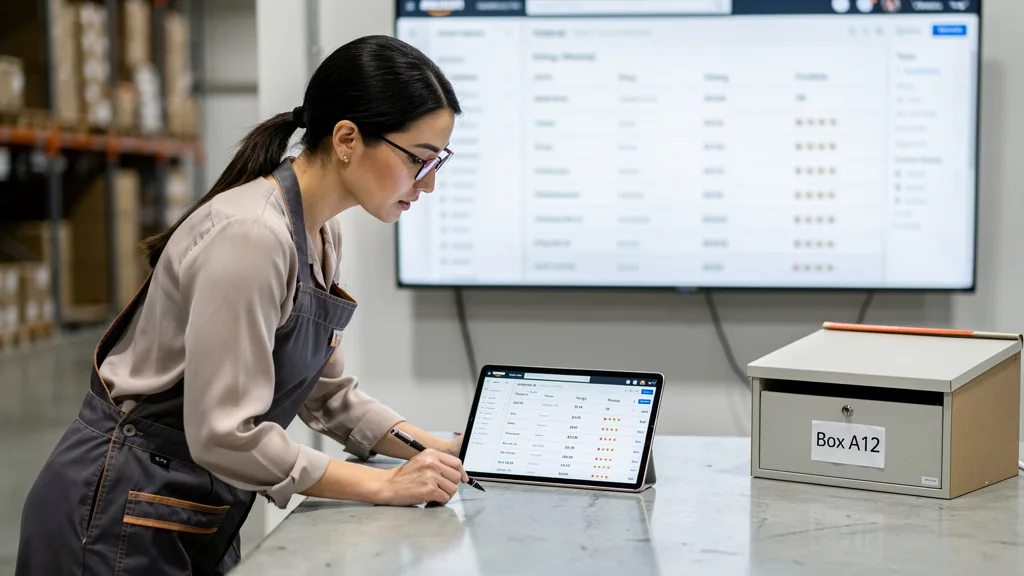
The most common triggers for review manipulation suspensions involve abnormal patterns in review volume, the use of prohibited third-party services, and incorrect management of product variations. Amazon's goal is to maintain a level playing field and ensure customer trust, so any activity that circumvents the intended use of its platform features will attract negative attention. Proactive monitoring and adherence to best practices are your best defense.
Why Sudden Review Velocity Spikes Attract Scrutiny
A sudden and dramatic increase in the number of reviews your product receives is one of the biggest red flags for Amazon. This is known as review velocity. While a successful marketing campaign or a feature on a major media outlet can naturally lead to more reviews, Amazon's algorithm can't always distinguish this from a black-hat campaign using bots or review farms. The system sees a deviation from your product's historical review rate and flags it for manual review.
To mitigate this risk, aim for steady and organic review growth. If you are planning a major launch or promotion, be prepared to document the marketing activity. Should your account get flagged, you can use this documentation in your appeal to prove the reviews were generated legitimately from a corresponding spike in verified purchases. This proactive approach can be the difference between a quick resolution and a lengthy suspension.
The Dangers of Using Third-Party Review Boost Services
Using any third-party service that promises to provide reviews or boost your product's rating is explicitly forbidden and extremely risky. These services often use a network of fake accounts or coerced individuals to post reviews, leaving a clear digital footprint that Amazon's investigators can easily trace back to your product. The consequences are severe, often resulting in the permanent removal of all product reviews, forfeiture of funds, and account closure.
"Sellers often turn to review boost services out of desperation, but it's a short-term gamble with a long-term, irreversible cost. We've seen brands lose everything overnight. The only sustainable path to growth is through compliant strategies and delivering an excellent customer experience."
There is no such thing as a "safe" review-buying service. Amazon is actively working to identify and sue these operators, and when they do, they gain access to their client lists. If your seller account is on that list, it's not a matter of if you'll be suspended, but when. Focusing on compliant strategies like improving your product and leveraging Amazon PPC management to drive real sales is a much safer investment.
Issues With Review Sharing Across Product Variations
Product variations, or "twisters," allow you to group different versions of a product (like size or color) onto a single detail page, sharing the reviews among them. While this is a powerful tool, it's also a common source of policy violations. Creating variations with products that are not truly related is a prohibited tactic used to hijack the review history of an established ASIN for a new, unrelated product.
Amazon's policy states that variations must only differ by a few specific attributes (e.g., size, color, flavor) and must be fundamentally the same core product. For example, you cannot group a phone case and a screen protector in the same variation family. Amazon has been cracking down on this, with recent changes to review sharing across variations leading to reviews being un-shared or listings being split apart by Amazon without warning. Regularly audit your variation families to ensure they are compliant to avoid losing valuable review equity.
Major Update: Navigating Star-Only Seller Feedback
One of the most significant recent changes is the introduction of star-only ratings for seller feedback. Previously, customers were required to leave a written comment along with their star rating. Now, buyers can simply leave a 1- to 5-star rating without any explanation. This change simplifies the process for customers but creates a new challenge for sellers.

This update, which has been rolling out, streamlines the feedback process for buyers, potentially increasing the volume of feedback you receive. However, it also means you might receive negative ratings without any context, making it harder to diagnose and resolve the underlying issue. Adapting to this new system is crucial for maintaining your seller performance metrics.
What Star-Only Ratings Mean for Your Seller Metrics
Star-only ratings count towards your overall Seller Feedback Score just like traditional feedback. A string of low star-only ratings can quickly damage your metrics, potentially impacting your ability to win the Buy Box and even putting your account at risk of suspension if your negative feedback rate exceeds 1%. The lack of a comment makes it impossible to request removal on the grounds of it being a product review, which was a common strategy for removing unwarranted negative feedback.
This change emphasizes the importance of a flawless customer experience from start to finish. Since you won't always know why a customer left a negative rating, you must proactively ensure your shipping is fast, your packaging is secure, and your customer service is responsive. Every touchpoint is an opportunity to prevent a negative experience that could result in a silent, damaging 1-star rating.
Strategies to Adapt and Protect Your Feedback Score
To thrive in the era of star-only feedback, you must double down on operational excellence. First, meticulously monitor your feedback score and track when negative ratings appear. Try to correlate them with specific orders to identify potential issues, such as a batch of products with defective packaging or a delay in a particular shipping route. This is a key part of diligent Amazon PPC audit and account management.
Second, ensure your customer service is proactive. Use Amazon's messaging system to provide order updates and confirm delivery. While you cannot ask for feedback, providing excellent service can preemptively solve problems that might otherwise lead to a negative rating. Some sellers have seen this change coming, as noted in online discussions; this 🚨 Amazon Sellers, don't miss this update post highlights the community's awareness. The key is to focus on preventing dissatisfaction in the first place, as resolving anonymous negative feedback is nearly impossible.
How to Safely Generate Reviews and Stay Compliant
Generating reviews is essential for product visibility and conversion, but it must be done within Amazon's strict guidelines. The safest and most effective strategies focus on providing an exceptional product and customer experience, then using Amazon's own tools to request feedback. Any strategy that feels like a shortcut or a hack is likely a violation waiting to be caught. The goal is to build a sustainable system for review generation that supports long-term growth.
A compliant review strategy begins with a high-quality product that solves a real customer problem. A great product naturally earns positive reviews. From there, you can layer on compliant communication and request methods. This involves leveraging Amazon's internal systems and ensuring all your branding materials, from inserts to emails, are completely neutral and free of any incentivizing language.
Using Amazon's Official "Request a Review" Feature
The single safest method for requesting reviews is using the "Request a Review" button located on the Order Details page in Seller Central. This feature sends a standardized, pre-translated email to the customer that combines a request for both seller feedback and a product review. Because Amazon controls the template and messaging, using this button is 100% compliant and carries zero risk of being flagged for manipulation.
You can click this button manually for each order or use approved third-party software to automate the process. This feature can be used once per order between 5 and 30 days after the delivery date. By making this a standard part of your post-sale process, you can systematically and safely increase your review count over time without ever stepping outside of Amazon's rules.
Auditing Your Packaging Inserts and Communications
Your product packaging inserts and any follow-up email sequences are a direct line to your customer, but they are also a common source of compliance issues. You must regularly audit these materials to ensure they do not violate Amazon's policies. Remove any language that could be seen as trying to influence the customer's review. This includes conditional statements like, "If you're happy, leave a review. If you're not, contact us." Your inserts should be focused on adding value, such as providing instructions, offering a warranty registration, or sharing tips for using the product. A simple, neutral call-to-action like, "Thank you for your purchase. We value your honest feedback and invite you to share your experience on Amazon," is compliant. Anything more aggressive, such as including images of 5 stars or explicitly asking for a "positive review," puts your account at risk.
Responding to a Review Manipulation Suspension
Receiving a suspension notice for review manipulation can be terrifying, but it's not always the end of the road. A well-structured appeal with a clear Plan of Action (POA) can lead to reinstatement. The key is to act methodically, take responsibility, and demonstrate to Amazon that you have identified and fixed the root cause of the issue. Panicking or sending multiple, poorly written appeals will only hurt your chances.
The first step is to take a deep breath and carefully read the suspension notice. It will contain clues about what triggered the flag. Your job is to investigate your account history, identify the specific policy violation, and create a compelling case that proves you have implemented changes to prevent it from ever happening again. This process requires honesty, thoroughness, and a deep understanding of Amazon's policies.
Gathering Essential Documentation for Your Appeal
Before you write a single word of your appeal, you need to gather all relevant evidence. This is your chance to prove your case to the Seller Performance team. Start by conducting a full audit of your review generation practices. Collect copies of all package inserts, post-purchase email templates, and any instructions given to your customer service team. If a review velocity spike was the trigger, gather documentation from your marketing campaigns (e.g., social media ad reports, influencer contracts) that correspond to the dates in question.
You should also pull reports of all reviews and seller feedback for the past 90-180 days. Analyze this data for any suspicious patterns. Did you use a new insert? Did you hire a new marketing agency? Be brutally honest in your assessment. The more evidence you can gather to support your narrative, the stronger your appeal will be.
Crafting an Effective Plan of Action to Reinstate Your Account
A successful Plan of Action (POA) is concise, factual, and follows a specific three-part structure. Ranting about how the suspension is unfair or how much money you are losing will be ignored. Your POA must be professional and focus on solving the problem for Amazon. Your POA should include the following sections:
- Root Cause: Clearly and specifically identify the policy you violated. Don't make excuses. State exactly what you did wrong, such as, "We used a product insert that offered a gift in exchange for a customer leaving a review, which violates the Customer Product Reviews Policy."
- Corrective Actions: Detail the immediate steps you have taken to fix the problem. For example, "We have immediately removed and destroyed all non-compliant product inserts from our inventory at our warehouse and in FBA. We have also audited and rewritten all of our customer service email templates to ensure neutral language."
- Preventative Measures: Explain the long-term changes you will implement to prevent the issue from recurring. This could include, "We have implemented a new policy where all marketing materials and customer communications must be reviewed and approved by our compliance manager before use. Our team has also completed retraining on the Amazon Customer Review Policy Updates for 2026." This structured approach shows Amazon that you take their policies seriously and have a robust plan to be a compliant seller moving forward.
- Avoid All Incentives: Never offer any form of compensation (money, gifts, discounts) for reviews. This is the fastest way to get suspended.
- Monitor Review Velocity: Be wary of sudden spikes in reviews, even from legitimate sales. Aim for steady, organic growth.
- Use the "Request a Review" Button: This is Amazon's 100% compliant method for asking for reviews. Make it a core part of your process.
- Audit All Communications: Regularly review your product inserts, emails, and ManyChat flows to ensure the language is completely neutral and does not attempt to influence reviews.
- Understand Star-Only Feedback: With the rise of star-only ratings, focus on operational excellence to prevent negative experiences, as you may not get a comment explaining a poor rating.
- Create Compliant Variations: Only group products that are true variations of each other to avoid policy violations related to review sharing.
Key Takeaways
Navigating Amazon's review policies in 2026 requires diligence and a commitment to white-hat practices. As you scale your brand, keeping your account safe is paramount. Here are the most critical takeaways:
Frequently Asked Questions
How long does it take for Amazon to approve a product review?
Typically, it takes Amazon 24 to 72 hours to approve and publish a product review. However, this timeframe can vary. During peak shopping seasons or if the review is flagged for manual inspection due to certain keywords or unusual activity, it may take longer for the review to appear on the product detail page.
Amazon's automated systems first screen the review for obvious policy violations. If it passes, it's usually posted quickly. If the system flags it, a human moderator will examine it, which extends the approval time. There is no way for a seller to expedite this process.
Can someone leave a review on Amazon without purchasing the item?
Yes, any Amazon customer can leave a review for a product, regardless of whether they purchased it on Amazon. However, reviews from customers who have not purchased the item on Amazon will not receive the "Verified Purchase" badge. This badge helps other shoppers identify feedback from customers who have actually bought and used the product.
While non-verified reviews are possible, Amazon's algorithms give more weight to Verified Purchase reviews when calculating a product's average star rating and ranking. A large number of non-verified reviews can sometimes be a red flag for review manipulation.
Is it possible for a customer to edit their review on Amazon?
Yes, customers have the ability to edit or delete their product reviews at any time. To do this, they can navigate to their profile page and find the "Your Reviews" section. From there, they can choose to edit the text and star rating or remove the review entirely. Sellers are not permitted to ask or incentivize a customer to edit or remove a review.
If you have improved your product based on feedback and a customer voluntarily decides to update their review, that is perfectly acceptable. However, any communication from you requesting such a change is a direct policy violation.
What is the difference between seller feedback and product reviews?
Seller feedback is about the seller's performance and the overall buying experience, while a product review is about the specific item purchased. Seller feedback covers aspects like shipping speed, packaging, and customer service. It results in a percentage-based feedback score on your seller profile.
A product review, on the other hand, describes the quality and features of the product itself. It contributes to the star rating displayed on the product detail page. Confusing the two is common for customers, and you can request the removal of seller feedback if it is entirely a product review.
Conclusion
Staying compliant with the Amazon customer review policy updates for 2026 is not just about avoiding suspension; it's about building a sustainable, profitable, and scalable brand on the platform. By focusing on providing an excellent product, delivering outstanding customer service, and using only Amazon-approved methods for review requests, you protect your account's health and foster genuine customer trust. Treat these policies not as a burden, but as a framework for building a brand that wins in the long run.
If you're managing a 7-figure brand and feel uncertain about your compliance or want to ensure your growth strategy is built on a solid foundation, a professional audit can provide clarity and peace of mind. We can analyze your current practices and identify any hidden risks before they become problems.
Ready to secure your brand and scale with confidence? Get your Free Audit today.