Table of Contents 9 sections
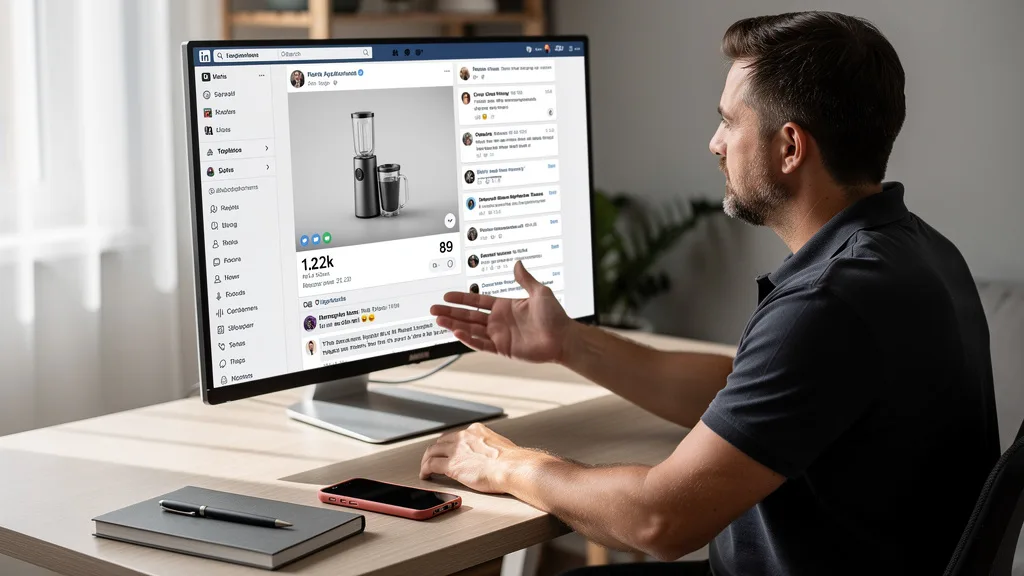
Are you leveraging every possible channel to scale your Amazon brand to eight figures? While you focus on PPC and listing optimization, a powerful, often overlooked platform could be the key to your next growth spurt: LinkedIn. Many sellers dismiss it as a B2B network, but they're missing out on a massive opportunity to build brand authority, connect with high-value customers, and drive targeted traffic.
To create viral LinkedIn posts for Amazon products, you must combine compelling storytelling with high-quality visuals, understand your specific audience on the platform, and engage authentically with your community. Success in 2026 depends on treating LinkedIn as a brand-building tool, not just a sales channel. Focus on providing value and sharing your brand's journey to capture attention and drive interest in your products.
Why LinkedIn Is a Powerful Channel for Amazon Sellers
LinkedIn is more than just a resume site; it's a professional network where business decisions are made, trends are discussed, and brand stories gain credibility. For Amazon sellers, this environment offers unique advantages. You can connect directly with wholesale buyers, corporate gifting managers, and industry influencers who can place large orders or amplify your brand's reach far beyond what's possible on more consumer-focused platforms.
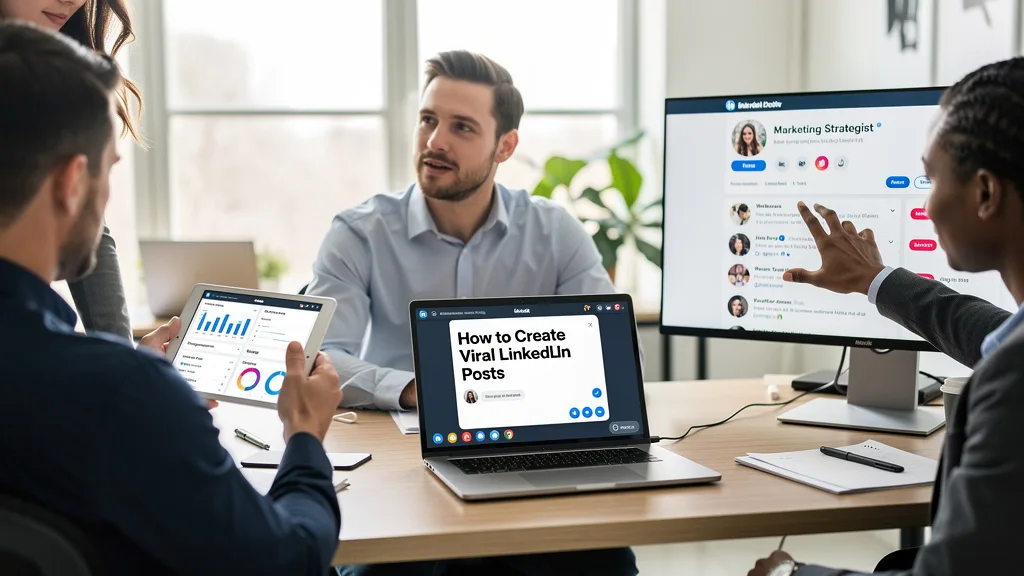
Furthermore, LinkedIn's audience has significant purchasing power. The platform is populated by professionals, executives, and entrepreneurs who value quality and are often looking for innovative products for their businesses or personal lives. By positioning your Amazon product as a solution to a professional or lifestyle problem, you can tap into a lucrative market segment that is less price-sensitive and more loyal to brands they trust.
Understanding the 2026 LinkedIn Algorithm for Product Posts
The LinkedIn algorithm in 2026 prioritizes posts that spark genuine conversation and keep users on the platform. Simply posting a product link and a sales pitch will result in minimal reach. Instead, the algorithm rewards content that receives meaningful comments and shares within the first few hours of being published. This is often called the "golden hour" of engagement.

To work with the algorithm, focus on creating content that tells a story, asks a question, or shares a valuable insight related to your product's niche. The algorithm also favors native content, such as text posts, images, and videos uploaded directly to the platform, over posts with external links. While you can't always avoid linking out to Amazon, save those links for the comments section or use them sparingly in posts that have already gained traction. You can learn more about the latest LinkedIn features for Amazon sellers to stay ahead of the curve.
Top Content Strategies for Viral Amazon Product Posts
Going viral on any platform requires a strategic approach, and LinkedIn is no exception. For Amazon sellers, the key is to balance brand promotion with valuable, engaging content that resonates with a professional audience. Forget hard-selling and focus on building a community and telling your brand's story.
Identifying Your Ideal Customer on LinkedIn
Before you write a single post, you must know who you're talking to. Your ideal Amazon customer might have a different professional persona on LinkedIn. Use tools like LinkedIn Sales Navigator to filter users by job title, industry, company size, and location. For example, if you sell ergonomic office accessories, your target audience could be HR managers, office managers, or remote work advocates.
Join groups related to your industry or your target customer's profession. Participate in conversations to understand their pain points and interests. This research will allow you to tailor your content to address their specific needs, making your posts far more relevant and likely to gain traction. This is a fundamental step in building a strong brand presence.
Writing Persuasive Copy That Converts
On LinkedIn, storytelling trumps sales copy. Instead of listing product features, share the story behind your brand, a customer success story, or the problem your product solves. Use a strong hook in the first line to stop the scroll. The AIDA (Attention, Interest, Desire, Action) model works exceptionally well here.
Structure your posts for readability with short paragraphs, bullet points, and emojis to break up the text. End with a clear call to engagement, not just a call to action. Ask a question, invite people to share their experiences, or prompt a discussion. This encourages comments, which signals to the algorithm that your post is valuable. Learning how to connect with Amazon sellers on LinkedIn can also provide valuable insights into what copy styles work.
Designing Eye-Catching Visuals and Videos
LinkedIn is a visual platform, and posts with images or videos receive significantly more engagement. For your Amazon products, invest in high-quality lifestyle photos that show your product in use within a professional or aspirational context. Avoid sterile, white-background product shots from your Amazon listing; those look like ads and are easily ignored.
Short-form video content is also incredibly effective. Consider creating a behind-the-scenes look at your manufacturing process, a quick demo of your product's key feature, or a video testimonial from a satisfied customer. Ensure your videos have captions, as many users browse with the sound off. The goal is to create visuals that are both professional and authentic.
Using Hashtags Strategically for Maximum Reach
Hashtags are essential for discoverability on LinkedIn. They help categorize your content and expose it to users who follow those topics. A good strategy is to use a mix of three types of hashtags on every post. Aim for 3 to 5 relevant hashtags in total to avoid looking spammy.
- Broad Hashtags: These have a large following and relate to your general industry (e.g., #ecommerce, #innovation, #marketing).
- Niche Hashtags: These are more specific to your product or target audience (e.g., #sustainablepackaging, #remoteworktools, #healthtech).
- Branded Hashtags: Create a unique hashtag for your brand or a specific campaign to build brand recognition and track conversations (e.g., #[YourBrandName]).
Fostering Engagement to Boost Visibility
As mentioned, engagement is the fuel for viral posts on LinkedIn. Your job isn't done once you hit "post." You must actively foster conversation in the comments section. Respond to every comment, asking follow-up questions to keep the discussion going. Tag people or companies you mentioned in your post to encourage them to join the conversation.
Engaging with other people's content is just as important. Spend time each day commenting on posts from others in your industry or target audience. This builds relationships and increases the likelihood that they will see and engage with your content in the future. LinkedIn is a social network, so being social is non-negotiable for success.
LinkedIn Posts vs Articles: Which Is Better for Your Store?
Amazon sellers often wonder whether to use standard posts or long-form articles on LinkedIn. The answer depends on your goal. Posts are short-form updates ideal for quick engagement, sharing visuals, and starting conversations. They appear directly in your followers' feeds and are designed for high visibility and immediate interaction.
"Think of LinkedIn posts as your daily conversation starters and articles as your cornerstone content. Use posts to build momentum and community, and use articles to establish deep expertise and capture long-term search traffic on and off the platform. A balanced strategy using both is how you win in 2026."
Articles, on the other hand, are long-form pieces similar to blog posts. They are excellent for establishing thought leadership, diving deep into a topic, and improving your SEO, as they can be indexed by search engines. For an Amazon seller, an article could be a detailed guide on solving a problem your product addresses or an analysis of industry trends. The best approach is to use both: create engaging posts to drive traffic and discussion, and write in-depth articles to build authority and provide lasting value.
Examples of Viral Ecommerce Posts on LinkedIn in 2026
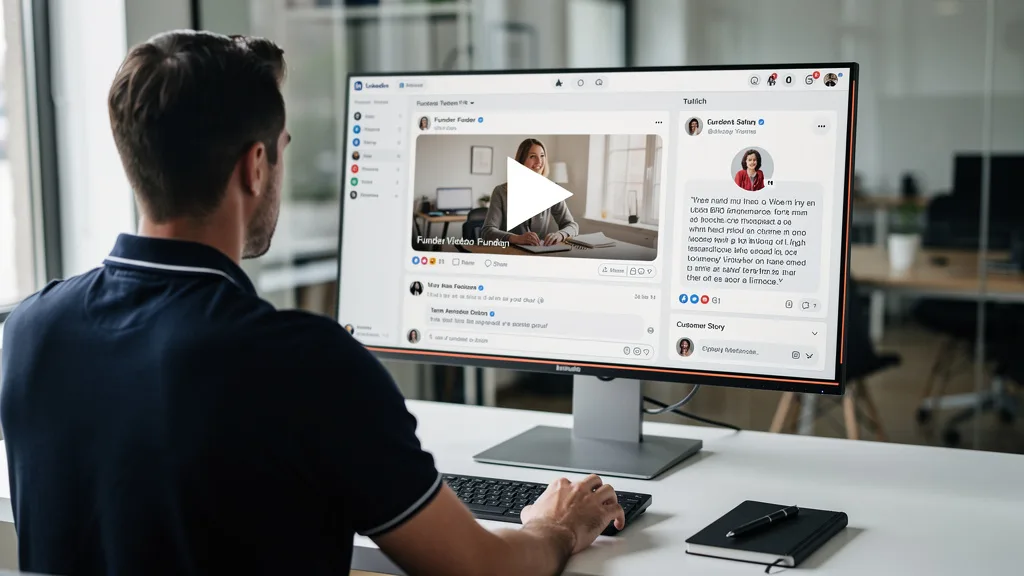
To understand what works, it helps to see it in action. A viral post for an Amazon product in 2026 rarely looks like a direct advertisement. Instead, it often centers on a human story or a larger mission. One example could be a founder sharing the raw, honest story of the challenges they faced while developing their product, complete with behind-the-scenes photos. This vulnerability builds connection and trust.
Another successful format is the customer transformation story. This could be a post featuring a quote and a photo from a customer explaining how your product genuinely improved their work or life. For instance, a seller of a high-quality standing desk could share a testimonial from a remote worker who eliminated back pain. These posts go viral because they focus on the outcome and the human benefit, not just the product's features.
LinkedIn vs Facebook vs Instagram for Amazon Promotion
Choosing the right social platform depends on your product, brand, and target audience. While all three can be effective, they serve different purposes for an Amazon seller. LinkedIn is the go-to for professional branding and B2B outreach, whereas Facebook and Instagram are better suited for direct-to-consumer mass-market advertising.
Understanding these differences is crucial for allocating your marketing budget and effort effectively. For example, a campaign for a new office gadget would likely perform better on LinkedIn, while a campaign for a trendy fashion accessory would be a natural fit for Instagram. Your overall strategy should consider how each platform contributes to your brand's growth. For instance, understanding how much Amazon PPC costs can help you balance your ad spend between Amazon's platform and external channels like LinkedIn.
| Feature | |||
|---|---|---|---|
| Primary Audience | Professionals, B2B buyers, industry leaders | Broad consumer demographics | Younger consumers (Millennials, Gen Z) |
| Best Content Format | Text-heavy posts, articles, professional videos | Videos, user-generated content, groups | High-quality images, Reels, Stories |
| Organic Reach | Potentially high for engaging, professional content | Low (pay-to-play model) | Moderate, but declining for feed posts |
| Ad Targeting | Job title, industry, company size | Interests, behaviors, demographics | Interests, lookalike audiences, visual appeal |
| Primary Goal | Brand building, thought leadership, B2B sales | Community building, direct sales, event promotion | Brand awareness, influencer marketing, visual discovery |
Key Takeaways
To succeed with your Amazon products on LinkedIn in 2026, you need to shift your mindset from selling to storytelling and community building. Here are the most critical takeaways to remember:
- Focus on Value and Story: The LinkedIn algorithm rewards authentic content that sparks conversation. Share your brand's journey, customer successes, and valuable insights rather than direct sales pitches.
- Know Your Professional Audience: Use LinkedIn's tools to identify and understand the professional personas of your ideal customers. Tailor your content to their specific pain points and interests.
- Prioritize Engagement: Your work isn't done after posting. Actively respond to comments, ask questions, and engage with others in your network to boost your visibility and build relationships.
- Use a Mix of Content Formats: Combine text-based posts, high-quality visuals, short-form videos, and long-form articles to create a rich and varied content strategy that keeps your audience engaged.
- Be Consistent and Patient: Building a presence on LinkedIn takes time. Post consistently, analyze your results, and refine your approach. The reward is a loyal community and a powerful new channel for brand growth.
Frequently Asked Questions
Do LinkedIn posts actually drive sales for Amazon products?
Yes, LinkedIn posts can drive sales for Amazon products, but often indirectly. The platform is best used for top-of-funnel activities like building brand awareness, establishing credibility, and nurturing relationships with potential customers. A viral post can drive significant traffic to your profile and website, which can then direct users to your Amazon store. For B2B products, a LinkedIn connection can lead directly to a bulk purchase. WebFX.
How much do LinkedIn ads cost for marketing Amazon items?
The key is to view LinkedIn as a long-term brand-building asset rather than a direct-response sales channel. The trust and authority you build on the platform will lead to sales over time as your audience comes to know, like, and trust your brand. This strategy is essential for sustainable growth.
What metrics should I track for my LinkedIn posts?
LinkedIn ads are generally more expensive than ads on platforms like Facebook or Instagram, with higher costs per click (CPC) and costs per mille (CPM). According to a 2026 analysis from sources like WebFX, you can expect CPCs to range from $5 to $15 or more, depending on the competitiveness of your target audience. This higher cost is due to the platform's valuable professional demographic data and targeting capabilities.
How often should I post about my Amazon products on LinkedIn?
For Amazon sellers, LinkedIn ads are most cost-effective when promoting high-ticket items or targeting B2B buyers where the lifetime value of a customer is high. It's crucial to have a clear strategy and a well-defined audience to ensure a positive return on ad spend. Comparing the ROI from different ad types, such as Amazon Sponsored Brands vs. Products, can help you allocate your budget wisely.
Can I link directly to my Amazon product page from a LinkedIn post?
To measure the success of your LinkedIn strategy, you should track a combination of vanity and actionable metrics. Key metrics available in LinkedIn Analytics include impressions (how many times your post was seen), reach (unique viewers), and video views. These give you a sense of your content's overall visibility.
More importantly, focus on engagement metrics like comments, shares, and the click-through rate (CTR) on any links you include. Comments are particularly valuable as they are a strong positive signal to the algorithm. Tracking follower growth and profile views after a post goes live can also indicate that your content is resonating and driving interest in your brand.
Consistency is more important than frequency on LinkedIn. Aim to post 3 to 5 times per week to stay top-of-mind with your audience without overwhelming their feeds. Quality should always be your priority over quantity. It's better to share three high-value, engaging posts per week than five low-effort ones.
Create a content calendar to plan your posts in advance, ensuring a healthy mix of content types, such as behind-the-scenes stories, educational content, customer testimonials, and company news. This structured approach helps you maintain a consistent presence and build momentum over time.
You can link directly to your Amazon product page, but it's often not the best strategy for maximizing reach. The LinkedIn algorithm tends to penalize posts with external links in the main body, as it prefers to keep users on the platform. This can result in significantly lower visibility for your post.
A more effective approach, recommended by many social media experts in 2026, is to place the link in the first comment of your post. In the body of the post, you can simply write "Link in the comments." This satisfies the algorithm while still making it easy for interested users to find your product page. For more insights, you can explore resources like the official LinkedIn Marketing Blog.
Conclusion
Mastering how to create viral LinkedIn posts for Amazon products is about playing the long game. It requires shifting your focus from direct sales to building a credible brand, telling compelling stories, and fostering a genuine community. By understanding the 2026 algorithm, tailoring content to a professional audience, and engaging authentically, you can unlock a powerful new channel to help scale your Amazon business from seven to eight figures. The key is to provide value first; the sales will follow.
Ready to see if your Amazon listings are fully optimized to convert the traffic you're generating? As an Amazon consultant who has scaled multiple brands to 8 figures, I can identify the hidden opportunities and critical gaps in your strategy. Request a comprehensive audit of your brand today.
If you want help turning this into a concrete plan for your site or team, take the next step below to apply How to Create Viral LinkedIn Posts for Amazon Products with confidence.
Ready to act on How to Create Viral LinkedIn Posts for Amazon Products? Free Audit — tell us your goal, and we will help you pick the highest-leverage next step so you are not guessing alone.