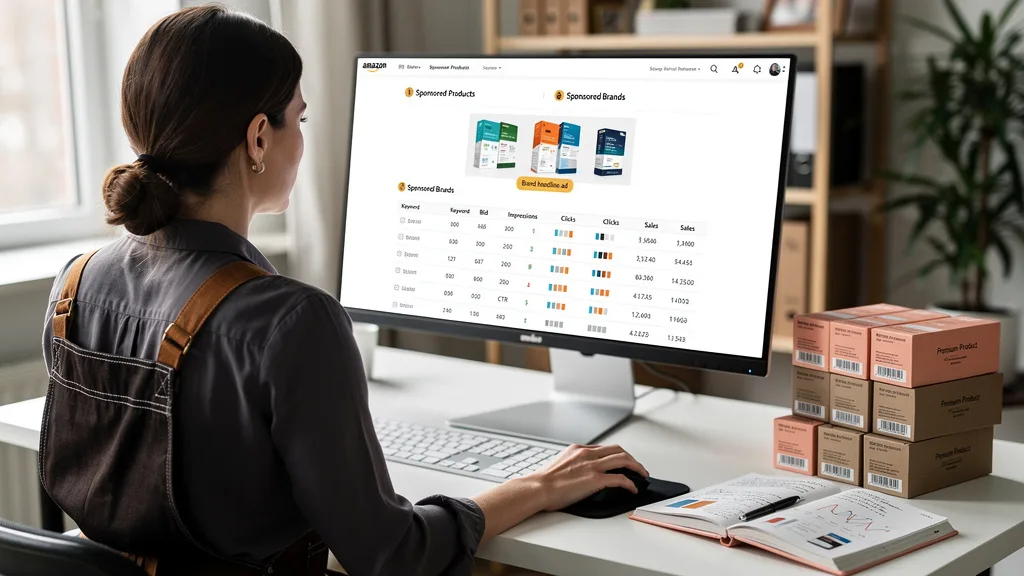
Are you struggling to decide where to allocate your Amazon advertising budget for maximum impact? Understanding the core differences between Amazon's main ad types is crucial for scaling your brand from seven to eight figures. Choosing the right campaign can mean the difference between simply selling products and building a dominant brand asset.
The key difference in the Amazon Sponsored Brands vs Sponsored Products debate is their primary goal. Sponsored Products are designed to drive immediate sales for individual items and appear within search results and on product pages. In contrast, Sponsored Brands are built for top-of-funnel brand awareness, showcasing a collection of products with a custom headline and logo, often appearing prominently at the top of search results.
What Are Amazon Sponsored Products?
Sponsored Products are cost-per-click (CPC) ads that promote individual product listings on Amazon. These ads are the most common type you'll encounter, appearing directly within shopping results pages and on product detail pages. Their primary function is to boost visibility for specific ASINs, targeting customers who are actively searching for products like yours with high purchase intent. Think of them as the digital equivalent of premium shelf placement in a physical store.
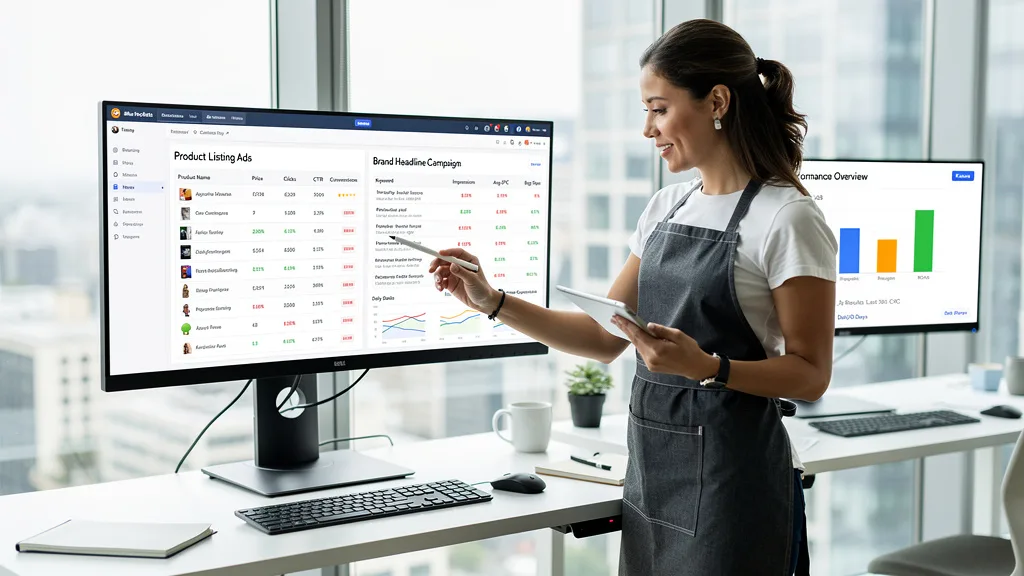
When a shopper clicks on your Sponsored Product ad, they are taken directly to that product's detail page. This makes them a powerful tool for driving direct sales and improving sales velocity, which can in turn positively impact your product's organic ranking. Because they are so conversion-focused, Sponsored Products are an essential part of any Amazon seller's advertising arsenal, particularly for launching new items or pushing for higher sales on key products. A well-managed campaign is a cornerstone of any profitable Amazon PPC management strategy.
What Are Amazon Sponsored Brands?
Sponsored Brands, formerly known as Headline Search Ads, are also CPC ads but serve a different strategic purpose. Instead of promoting a single item, they showcase your brand and a collection of its products. These ads typically appear in highly visible placements, most notably as a large banner at the very top of the search results page. They feature your brand logo, a custom headline, and up to three of your products, or can even feature a video.
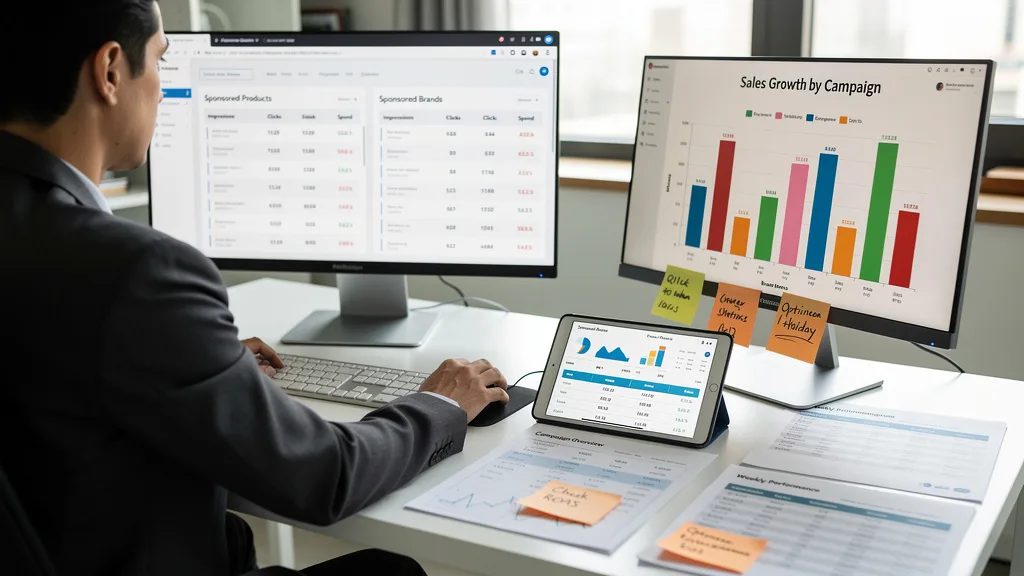
The main goal of Sponsored Brands is to increase brand awareness and consideration. When a shopper clicks on your ad, you can direct them to a custom landing page, your Amazon Store, or a page showing a collection of your products. This provides a more immersive brand experience compared to a single product page. These campaigns are crucial for telling your brand story, introducing shoppers to your wider product catalog, and building long-term customer loyalty. The recent expansion of new placements for Sponsored Brands has made them even more versatile for brand building.
While both ad types are fundamental to a successful Amazon advertising strategy, their differences in placement, creative control, and strategic purpose are significant. Understanding these distinctions allows you to allocate your budget effectively and align your campaigns with your business objectives, whether that's immediate sales or long-term brand growth. Choosing incorrectly can lead to wasted ad spend and missed opportunities to connect with your target audience at the right stage of their buying journey.
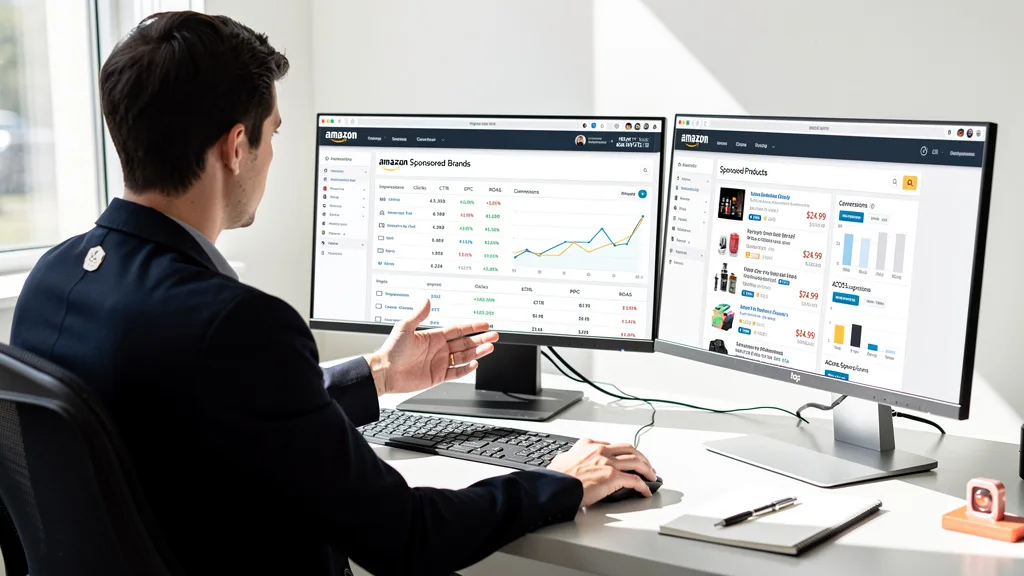
The core of the Amazon Sponsored Products vs Sponsored Brands decision lies in matching the ad format to your goal. Sponsored Products are transactional and focused on the bottom of the sales funnel, converting ready-to-buy shoppers. Sponsored Brands are relational, focusing on the top and middle of the funnel to introduce and engage potential customers with your brand as a whole.
| Feature | Sponsored Products | Sponsored Brands |
|---|---|---|
| Primary Goal | Drive direct sales, increase sales velocity | Build brand awareness, drive consideration, showcase product line |
| Ad Placement | Within search results, product detail pages | Top of search results (banner), side, and within search results |
| Creative | Uses existing product listing image and title | Custom headline, brand logo, multiple products, lifestyle images, video |
| Landing Page | Single product detail page | Amazon Store, custom landing page, or product collection page |
| Funnel Stage | Bottom-of-funnel (Conversion) | Top-of-funnel (Awareness), Mid-funnel (Consideration) |
Ad Placement and Visibility
Ad placement directly impacts an ad's visibility and its strategic function. Sponsored Products are designed to be native, appearing alongside organic search results and in carousels on competitor or complementary product pages. This placement is effective for capturing shoppers as they compare options and make final purchase decisions. Their integration into the shopping feed makes them feel like a natural part of the browsing experience. Amazon PPC Guide for Beginners.
Sponsored Brands, on the other hand, command premium real estate. The top-of-search banner placement guarantees visibility before a shopper even scrolls to see organic or Sponsored Product results. This high-impact position makes them ideal for making a strong first impression, announcing new product lines, or defending your brand against competitors bidding on your branded terms. This placement is inherently geared towards brand building rather than just a single transaction.
Creative Format and Customization
Creative flexibility is a major point of difference. Sponsored Products offer minimal customization; the ad is automatically generated using your product's main image, title, price, and star rating from the listing itself. Your primary means of optimizing the creative is by improving the underlying product listing through better images and a more compelling title. This is where a solid Amazon listing optimization strategy is critical.
Sponsored Brands provide significantly more creative freedom. You can write a custom headline to convey your brand's message, upload your logo, and select the specific products you want to feature. Furthermore, Sponsored Brands Video allows you to use engaging video content to capture attention and tell a more compelling story. This level of customization enables you to create a cohesive brand message and a more memorable ad experience that goes beyond a single product.
Targeting Options and Strategy
Both ad types offer keyword and product targeting (ASIN targeting). You can target broad, phrase, and exact match keywords, as well as specific products or categories. However, the strategic application of this targeting differs. With Sponsored Products, you might target long-tail, high-intent keywords or the ASINs of direct competitors to steal sales at the point of decision.
Sponsored Brands campaigns often use broader keywords to capture top-of-funnel traffic and introduce shoppers to the brand. They also offer more advanced audience targeting capabilities, allowing you to reach shoppers based on their past shopping behaviors, such as views and purchases. This makes them ideal for remarketing strategies and building a loyal customer base over time, a key part of the latest ecommerce trends which focus on data-driven advertising.
Primary Campaign Goals and Use Cases
The ultimate decision between the two ad types comes down to your immediate goal. The primary use case for Sponsored Products is to generate sales. If you have a new product you need to get sales history for, excess inventory you need to move, or a high-converting item you want to scale, Sponsored Products are your workhorse. Their performance is typically measured by metrics like Advertising Cost of Sale (ACoS) and Return on Ad Spend (ROAS). good ACoS and how to lower it.
Sponsored Brands are used to achieve broader business objectives. The goal might be to increase brand searches, grow your market share in a category, or establish your brand as a leader. Success is measured not just by direct sales but also by metrics like impressions, click-through rate (CTR), and new-to-brand metrics, which show how many customers are discovering your brand for the first time through these ads.
"For immediate sales velocity on a new product, Sponsored Products are your go-to. For building a moat around your brand and capturing broader customer interest, a well-executed Sponsored Brands campaign is invaluable for long-term business growth."
How to Choose the Right Ad Type for Your Goals
Selecting the right ad type requires a clear understanding of your current business priorities. Are you focused on short-term revenue, or are you playing the long game of brand building? The answer will dictate how you should balance your investment between Sponsored Products and Sponsored Brands. A successful strategy often involves using both, but the emphasis may shift based on your brand's maturity and campaign-specific objectives.
When to Prioritize Sponsored Products
You should prioritize Sponsored Products campaigns when your primary objective is direct and immediate sales. They are the most effective tool for driving conversions at the individual product level. This ad type is non-negotiable for almost every seller, but it becomes the top priority in several specific situations.
- New Product Launches: Generate initial sales and reviews to build momentum and improve organic rank.
- Boosting Low-Performing ASINs: Drive traffic to listings that are not getting enough organic visibility.
- Targeting Competitors Directly: Place your product on a competitor's detail page to capture their customers at the point of comparison.
- Maximizing Sales on Top Sellers: Ensure your best-performing products are always visible to high-intent buyers to maximize revenue.
- Liquidating Inventory: Quickly move through excess stock by running aggressive, highly visible campaigns.
When to Invest in Sponsored Brands
Investing in Sponsored Brands is a strategic move for sellers focused on building a sustainable, long-term business. These campaigns are about creating a brand identity and fostering customer loyalty that extends beyond a single purchase. While they can and do drive sales, their main value lies in top-of-funnel marketing efforts.
- Building Brand Recognition: Introduce your brand to new audiences and establish a presence in your category.
- Driving Traffic to Your Amazon Store: Create a curated shopping experience and showcase your full product catalog away from competitor ads.
- Promoting a Product Line: Cross-sell related items and increase the average order value by presenting a collection of products.
- Defending Your Branded Keywords: Occupy the top-of-search placement for your own brand name to prevent competitors from stealing traffic.
- Telling a Brand Story: Use custom headlines and video to communicate your brand's unique value proposition.
Combining Both for a Full-Funnel Ad Strategy
The most sophisticated Amazon sellers don't choose one ad type over the other; they use both in a coordinated, full-funnel strategy. This holistic approach allows you to engage with customers at every stage of their journey. You can use Sponsored Brands to capture initial awareness and interest with broad, category-level keywords.
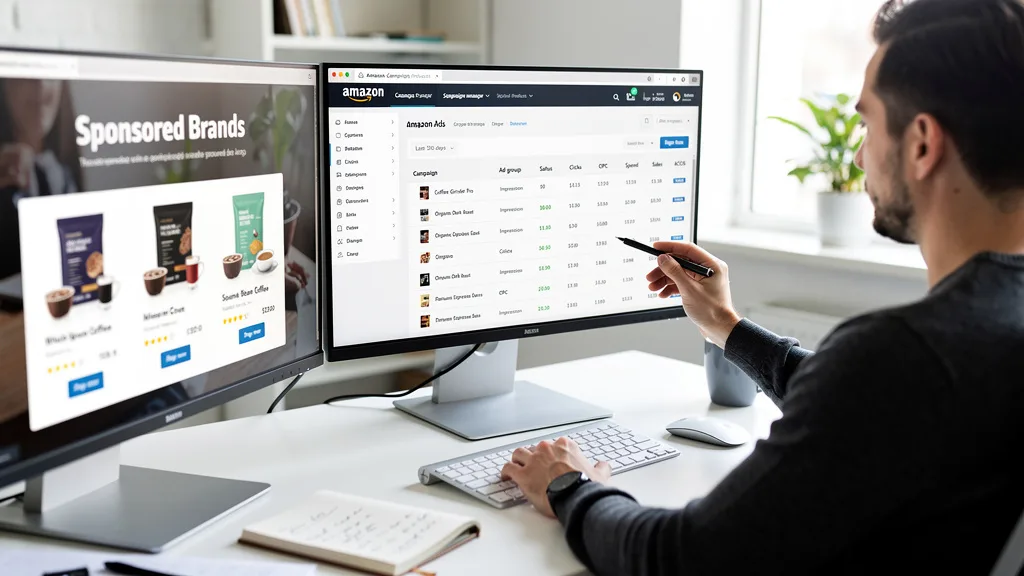
Once a shopper is aware of your brand, you can use Sponsored Products to retarget them and close the sale. For example, a customer might click your Sponsored Brand ad, browse your Store, and leave. Later, they see your Sponsored Product ad for a specific item they viewed, reminding them to complete the purchase. This synergy between the two ad types creates a powerful system for both brand building and sales generation, forming a key part of an overall Amazon SEO strategy that drives sustainable growth.
Optimizing Your Campaigns to Boost Sales Effectively
Launching a campaign is only the first step. Continuous optimization is what separates profitable brands from those that waste their ad spend. Both Sponsored Products and Sponsored Brands require active management and adherence to best practices to deliver a positive return and effectively boost sales. This involves refining your targeting, testing your creatives, and analyzing your performance data to make informed decisions.
Best Practices for Sponsored Products Ads
To get the most out of your Sponsored Products campaigns, a methodical and data-driven approach is essential. These ads can become a significant driver of profit if managed correctly. Mismanagement, however, can quickly drain your budget. Understanding how much Amazon PPC costs and how to control it is fundamental.
- Use Automatic Campaigns for Research: Start with an automatic campaign to let Amazon's algorithm find relevant customer search terms for you.
- Harvest and Migrate Keywords: Regularly review your search term reports and move high-performing keywords into manual campaigns for better control.
- Implement a Strong Negative Keyword Strategy: Add irrelevant and poor-performing search terms as negative keywords to prevent wasted ad spend.
- Structure Campaigns Logically: Group similar products and use specific ad groups for different match types (broad, phrase, exact) to manage bids effectively.
- Optimize Bids Regularly: Adjust your bids based on performance, increasing bids on profitable keywords and decreasing them on those with high ACoS.
Optimizing Sponsored Brands requires a focus on both creative appeal and strategic targeting. Because these ads are about branding, the quality of your message and visuals is paramount. A poorly executed Sponsored Brand ad can do more harm than good by creating a negative first impression.
- A/B Test Your Creatives: Continuously test different headlines, images, and product combinations to see what resonates most with your audience.
- Use High-Quality Visuals: Invest in professional photography, lifestyle images, or a compelling video that aligns with your brand identity.
- Link to a Polished Amazon Store: Ensure the destination of your ad is a well-designed, easy-to-navigate Store that encourages further exploration.
- Align Keywords with Your Headline: Your custom headline should be relevant to the keywords you are targeting to create a cohesive message.
- Monitor New-to-Brand Metrics: Use these metrics to gauge how effective your campaigns are at attracting new customers, not just driving sales from your existing base.
Key Takeaways
Navigating Amazon's advertising landscape requires a clear understanding of the tools at your disposal. Here are the essential takeaways when comparing Sponsored Brands and Sponsored Products:
- Different Goals: Sponsored Products are for driving immediate, direct sales of individual items. Sponsored Brands are for building top-of-funnel brand awareness and showcasing a product collection.
- Placement Matters: Sponsored Products appear within search results, while Sponsored Brands command premium banner placements at the top of the page.
- Creative Control: Sponsored Brands offer significant creative freedom with custom headlines, logos, and video, whereas Sponsored Products rely on the existing product listing.
- Full-Funnel Strategy: The most successful sellers use both ad types together. Use Sponsored Brands to create awareness and Sponsored Products to capture the final sale.
- Continuous Optimization: Both campaign types require ongoing management, including keyword refinement, bid adjustments, and creative testing, to achieve a profitable return on investment.
Frequently Asked Questions
Are Sponsored Products or Sponsored Brands better for new sellers?
For most new sellers, Sponsored Products are the better starting point. The primary goal for a new brand or product is to generate initial sales, gather reviews, and improve organic ranking. Sponsored Products are designed specifically for this bottom-of-funnel activity, targeting shoppers with high purchase intent and driving traffic directly to the product page to convert.
Once you have established a sales history and have a better understanding of which keywords convert, you can begin to layer in Sponsored Brands. Starting with Sponsored Products allows you to build a foundation of data and revenue that can then fund your broader brand-building efforts through Sponsored Brands campaigns.
What is the average cost-per-click for these Amazon ad types?
The average cost-per-click (CPC) varies dramatically based on product category, competition, seasonality, and keyword choice. There is no single average that applies to all sellers. However, as a general rule, CPCs for Sponsored Products can sometimes be lower for long-tail, specific keywords, while CPCs for Sponsored Brands may be higher due to the premium, top-of-search placement.
Highly competitive keywords in popular categories can have CPCs of several dollars for both ad types. The key is not to focus on the CPC alone but on the return on ad spend (ROAS). A higher CPC can be perfectly acceptable if it leads to a profitable sale or acquires a valuable new-to-brand customer.
Can you run both Sponsored Products and Sponsored Brands at the same time?
Yes, and you absolutely should. Running both ad types concurrently is the foundation of a comprehensive, full-funnel advertising strategy on Amazon. Using them together allows you to engage with customers at every stage of their buying journey, from initial discovery to final purchase.
You can use Sponsored Brands to introduce your brand to a wide audience and drive traffic to your Amazon Store. Simultaneously, you can run Sponsored Products campaigns to target shoppers who are closer to making a purchase, including those who may have discovered your brand through your Sponsored Brands ad. This synergistic approach maximizes visibility and conversion potential.
Which ad type is better for building long-term brand recognition?
Sponsored Brands are unequivocally the superior ad type for building long-term brand recognition. Their design and placement are entirely focused on this goal. The ability to use a custom headline, your brand logo, and video content allows you to communicate your brand's unique identity and value proposition in a way that a single product ad cannot.
By directing traffic to your Amazon Store, you create a branded shopping experience that encourages customers to explore your full catalog and remember your name. This top-of-funnel activity is essential for creating a loyal customer base that seeks out your brand directly, reducing your reliance on purely transactional, conquesting-focused ads over time.
How do you measure the success of each ad campaign?
Success metrics differ based on the campaign's goal. For Sponsored Products, success is primarily measured by sales-driven metrics. Key performance indicators (KPIs) include Advertising Cost of Sale (ACoS), which measures ad spend relative to revenue, and Return on Ad Spend (ROAS). The goal is to achieve the lowest ACoS possible while maximizing sales volume.
For Sponsored Brands, the measurement of success is more nuanced. While ACoS is still relevant, you should also focus on top-of-funnel metrics like impressions (how many people saw your ad), click-through rate (CTR), and especially new-to-brand metrics. These KPIs tell you how effective your campaign is at growing your audience and building brand awareness, which are the primary goals of this ad type.
Conclusion
Mastering the interplay between Amazon Sponsored Brands and Sponsored Products is essential for any brand aiming for profitable growth in 2026. Rather than viewing them as an either/or choice, treat them as complementary tools in a full-funnel strategy. Use Sponsored Products to relentlessly drive conversions and sales velocity, and leverage Sponsored Brands to build a memorable brand that captures customer loyalty and market share. By aligning each ad type with the right strategic goal, you can optimize your ad spend, boost overall sales, and build a resilient e-commerce business.
Ready to scale your Amazon brand with a profit-first advertising strategy? My experience scaling brands from 7 to 8 figures is built on data-driven PPC management and holistic account optimization. Let's find the hidden opportunities in your account. Get your comprehensive Free Audit today.