Understanding the 2026 LinkedIn Algorithm for E-commerce Brands
Are you posting on LinkedIn but only hearing crickets? For ambitious Amazon sellers, cracking the code of this professional network can feel like a mystery. The key to unlocking its potential lies in understanding how the platform's algorithm thinks and what it rewards in 2026. The algorithm prioritizes content that sparks genuine conversation and keeps users on the platform longer. This means posts with high dwell time, meaningful comments, and shares get significantly more reach.
In 2026, LinkedIn has moved even further away from being a simple resume repository. It's a dynamic content platform where value and authenticity reign supreme. The algorithm heavily favors posts that generate comments beyond simple one-word replies. It analyzes the quality of engagement, giving more weight to thoughtful discussions. Posts that include outbound links in the main body are often subtly demoted, as LinkedIn prefers to keep users within its ecosystem. The smart strategy is to place any links to your Amazon store or website in the first comment.
"The secret to what makes LinkedIn posts go viral for Amazon sellers isn't about gaming the system. It's about consistently providing value and telling compelling stories that resonate with a professional audience. The algorithm simply rewards human connection."
Best Types of Content for Amazon Sellers to Post on LinkedIn
To capture the attention of potential partners, customers, and industry peers, your content must be tailored to the LinkedIn environment. Forget hard-selling your products in every post. Instead, focus on building your brand and establishing yourself as an authority in your niche. This approach builds trust and drives long-term interest in your Amazon business.
Personal Stories and Behind-the-Scenes Content
People connect with people, not just faceless brands. Sharing the journey of your Amazon business, including the challenges, the breakthroughs, and the lessons learned, can be incredibly powerful. A post detailing how you navigated a complex supply chain issue or developed a new product is far more engaging than a simple product announcement. This transparency builds an authentic connection with your audience.
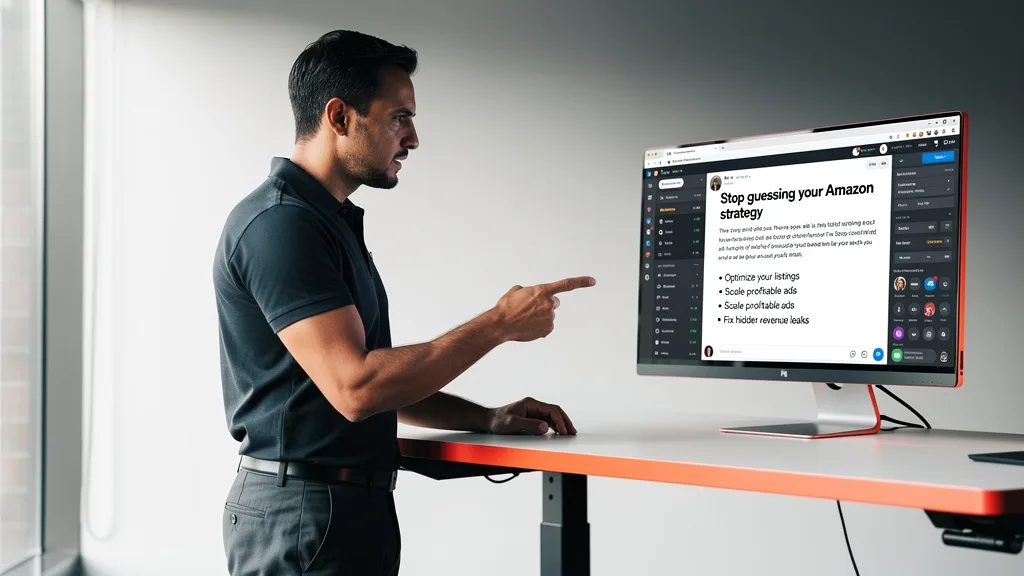
Showcase the human element of your brand. Post pictures of your team, your workspace, or the manufacturing process (if appropriate). These behind-the-scenes glimpses make your brand more relatable and memorable. This strategy is particularly effective for private label sellers who want to build a strong brand identity that differentiates them from the competition.
Case Studies and Verifiable Success Metrics
For a B2B audience on LinkedIn, data speaks volumes. Instead of just saying your product is great, prove it. Share a concise case study about how your product solved a specific problem for a customer. Use anonymized data or get permission to share a customer testimonial. Highlighting tangible results, such as a percentage increase in efficiency or a specific problem solved, provides powerful social proof.
Frame your success metrics visually. Create a simple graphic or a short video that illustrates the before-and-after scenario. For example, a carousel post could walk the audience through a problem, the solution your product provided, and the impressive final result. This format is easily digestible and highly shareable, making it a prime candidate for viral reach.
Value-Driven Educational Posts and Tutorials
One of the best ways to grow your following and authority is to give away valuable information for free. Think about your expertise as an Amazon seller. What can you teach your audience? You could share tips on finding profitable niches, navigating Amazon's policies, or creating effective PPC campaigns. This positions you as a helpful expert, not just a salesperson.
Create short tutorials or checklists that your audience can immediately apply. For example, a post titled "5 Things I Check Before Launching Any New Product on Amazon" provides immediate value. You can use an Amazon listing optimization checklist as inspiration for this kind of content. These posts are often saved and shared, signaling to the LinkedIn algorithm that your content is high-quality and relevant.
Using Video and Visuals to Stop the Scroll
In a sea of text-based updates, a compelling visual can make all the difference. Video, in particular, is a powerful tool on LinkedIn. Short, subtitled videos that tell a story or offer a quick tip perform exceptionally well. You don't need a professional film crew; a well-lit video shot on your smartphone can be highly effective if the content is valuable.
Carousel posts (PDFs uploaded as documents) are another fantastic way to engage your audience. They encourage users to spend more time on your post as they swipe through the slides. Use carousels to break down complex topics, showcase a product from multiple angles, or tell a visual story. High-quality product photography and infographics also perform well, helping your post stand out in the feed.
Core Elements of a Viral LinkedIn Post
While the content itself is king, the way you structure and present it is equally important. A brilliant idea packaged poorly will be ignored. Mastering a few core structural elements can dramatically increase the reach and impact of your posts, helping you create viral LinkedIn posts for your Amazon business.
Crafting an Irresistible Opening Hook
You have only one or two lines to capture someone's attention before they scroll past. Your opening hook must be compelling enough to make them click "...see more." Start with a provocative question, a surprising statistic, a bold statement, or the beginning of a story. The goal is to create curiosity and an immediate desire to know what comes next.
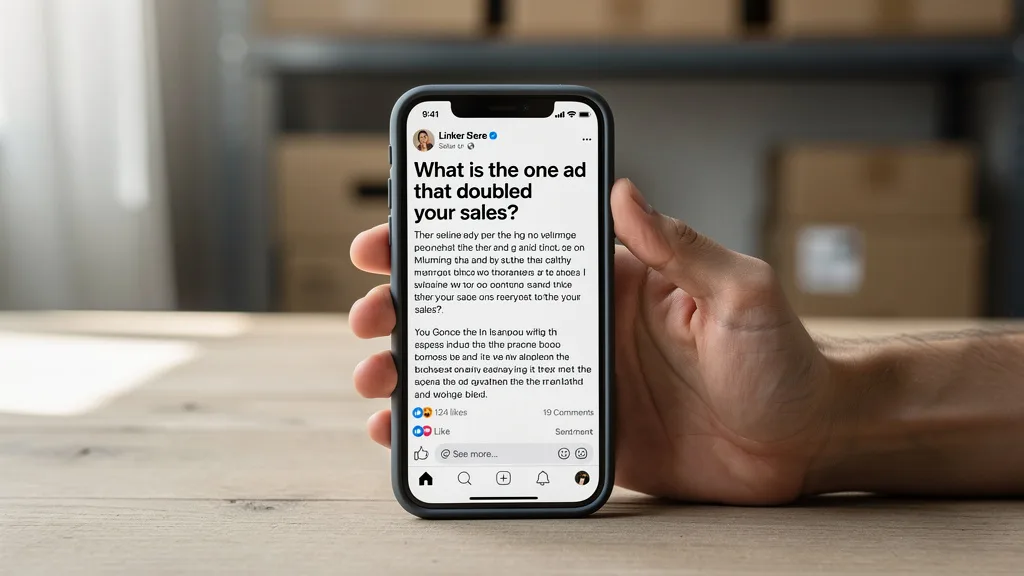
Avoid generic openings like "I'm excited to announce..." Instead, try something like, "I lost $10,000 on my first Amazon product. Here's the lesson that saved my business." This kind of vulnerability and intrigue is what makes people stop and read. Test different types of hooks to see what resonates most with your audience.
Structuring Your Post for Maximum Readability
No one wants to read a giant wall of text on a social media platform. Break up your post into short, punchy paragraphs, often just one or two sentences long. This makes your content scannable and much less intimidating to the reader, especially on mobile devices. Use white space to your advantage to guide the reader's eye down the page.
Incorporate simple formatting to improve readability further. Use bullet points or numbered lists to break down information. Emojis can also be used strategically to add visual interest and serve as bullet points, but use them professionally and in line with your brand's voice. The easier your post is to read, the more likely people are to finish it and engage.
Leveraging Strategic Hashtags for Discovery
Hashtags are your post's discovery engine. They allow users who don't follow you yet to find your content. For 2026, the best practice is to use a mix of hashtags, typically between 3 and 9. Using too many can look spammy and dilute their effectiveness. A good strategy is to combine broad, niche, and branded hashtags.
For an Amazon seller, your mix might look something like this: #ecommerce, #amazonfba (broad); #privatelabel, #productlaunchstrategy (niche); and #[YourBrandName] (branded). Placing hashtags at the end of your post keeps the main body clean and readable. Research relevant hashtags in your industry to see which ones have a significant but not overly saturated following.
Encouraging Comments and Meaningful Engagement
The LinkedIn algorithm loves comments. End your post with a clear call to action or a question that encourages people to respond. Don't just ask, "What do you think?" Ask a specific, open-ended question related to your post, such as, "What's the biggest challenge you've faced with supply chain management?"
Once the comments start coming in, your job isn't done. Respond to every single comment, if possible. This not only shows your audience that you're listening but also doubles the engagement on your post and signals to LinkedIn that your content is sparking a valuable conversation. This reciprocal engagement is a powerful catalyst for going viral.
Examples of Viral Posts from Successful Amazon Store Owners
To make these concepts concrete, let's look at a few examples of post types that consistently perform well for Amazon brand owners. One successful post could detail a major failure and the pivot that followed. For instance, a seller could share the story of a product launch that flopped, complete with the humbling sales numbers, and then explain the data-driven changes they made to their Amazon PPC management strategy that led to a massive turnaround. This combination of vulnerability and expertise is highly compelling.
Another powerful example is the "unboxing" of a business process. A private label owner could create a carousel post that visually breaks down their 7-step process for vetting a new supplier. Each slide would have a clear heading, a supporting image, and a concise tip. This type of post positions the seller as a transparent and knowledgeable authority, providing immense value to other entrepreneurs and building brand trust without directly selling a product. finding profitable niches.
LinkedIn Posts vs. Facebook Ads: Promoting Your Amazon Products
As an Amazon seller, you have limited marketing dollars, so choosing the right platform is crucial. Both LinkedIn and Facebook offer powerful advertising tools, but they serve very different purposes. Understanding the key differences will help you allocate your budget effectively for promoting your products and brand.
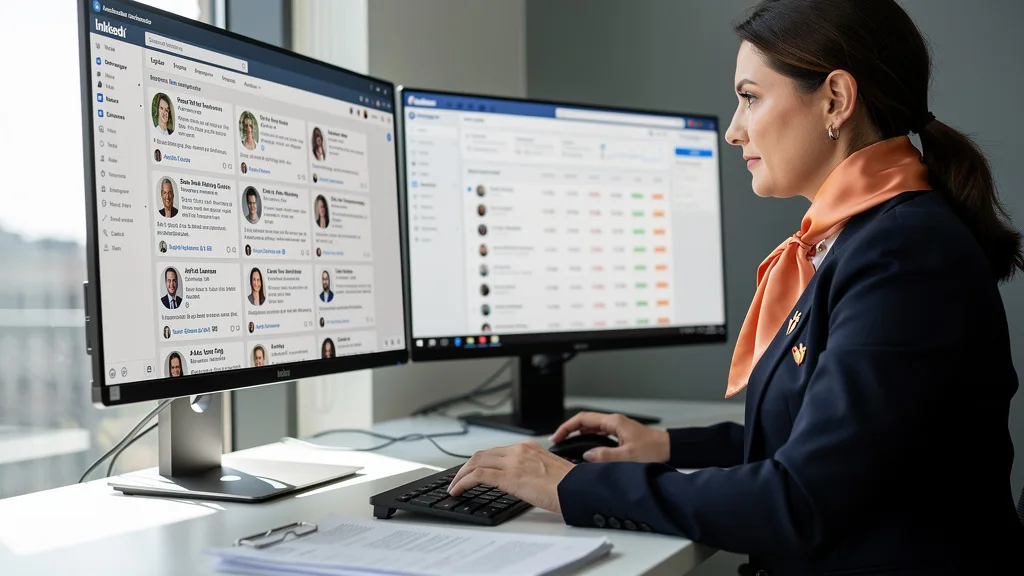
LinkedIn is primarily a B2B platform focused on professional networking, making it ideal for building brand authority, connecting with potential distributors or partners, and establishing yourself as a thought leader. Facebook is a B2C powerhouse with a massive user base, making it better suited for direct-to-consumer advertising, driving traffic, and building a community around your brand. Deciding which to use depends entirely on your specific goal.
| Feature | LinkedIn Posts & Ads | Facebook Ads |
|---|---|---|
| Primary Audience | Professionals, B2B contacts, potential partners, industry peers | General consumers, B2C customers, interest-based communities |
| User Intent | Career development, industry news, networking, education | Social connection, entertainment, product discovery |
| Cost | Higher cost per click (CPC), but potentially higher value leads | Lower cost per click (CPC), designed for mass-market reach |
| Best for Amazon Sellers | Building brand authority, networking with suppliers, thought leadership | Driving external traffic to listings, retargeting, building customer email lists |
| Content Format | Professional articles, case studies, personal stories, industry insights | Video ads, image ads, user-generated content, influencer collaborations |
Top Amazon Seller Influencers to Follow on LinkedIn
Surrounding yourself with the right information and inspiration is key to growth. Following seasoned Amazon seller influencers on LinkedIn can provide you with a daily stream of insights, strategies, and motivation. Instead of just following anyone, curate your feed with experts who align with your business goals. Look for individuals who don't just brag about their success but openly share the processes and data behind it.
To build a powerful feed, consider following these archetypes of Amazon influencers:
- The 8-Figure Brand Builder: These are sellers who have successfully scaled their own brands past the $10 million mark. They often share high-level strategic insights on branding, team building, and long-term vision.
- The PPC and SEO Master: Follow experts who live and breathe Amazon advertising and search optimization. Their posts are often filled with tactical advice on keyword research, campaign structure, and how to adapt to Amazon's latest algorithm changes. You can learn a lot about profitable PPC campaigns from them.
- The Supply Chain & Logistics Guru: These influencers provide invaluable advice on sourcing, freight forwarding, and inventory management. Following them can save you thousands in costly mistakes.
- The Private Label Innovator: Look for sellers who are known for creating unique products and building strong, defensible brands in competitive niches. They are a great source of inspiration for product development and differentiation.
Key Takeaways
Building a powerful presence on LinkedIn as an Amazon seller is a marathon, not a sprint. Consistency and a genuine desire to provide value are the cornerstones of a successful strategy. Focusing on the right content and engagement tactics will help you build a strong personal and company brand that pays dividends far beyond a single viral post.
- Authenticity Over Ads: The 2026 LinkedIn algorithm rewards genuine stories and valuable educational content, not hard-sell product pitches.
- Structure is Key: A strong hook, short paragraphs, and strategic hashtags are essential for readability and discovery.
- Engagement is a Two-Way Street: Encourage comments by asking questions and make sure to reply to responses to boost your post's visibility.
- Choose the Right Platform for the Goal: Use LinkedIn for building brand authority and professional networking, and platforms like Facebook for direct-to-consumer sales.
- Tell, Don't Just Sell: Use personal stories, behind-the-scenes content, and case studies to build a brand that people trust and want to follow.
Frequently Asked Questions
Here are answers to some common questions Amazon sellers have about using LinkedIn.
What is the optimal posting frequency for an e-commerce business on LinkedIn?
For most e-commerce businesses, aiming for 2-4 high-quality posts per week is an effective strategy. Consistency is more important than frequency. It's better to share three valuable, well-crafted posts that spark engagement than to post seven mediocre ones that fall flat. This frequency keeps you top-of-mind with your audience without overwhelming their feeds.
How much does it cost to promote a LinkedIn post to a targeted audience?
The cost of promoting a post on LinkedIn varies widely based on your target audience, industry, and campaign objective. LinkedIn ads operate on an auction system, with costs typically measured in Cost Per Click (CPC) or Cost Per Mille (CPM). CPCs can range from $5 to over $15 for highly sought-after professional audiences. It's generally more expensive than Facebook but can deliver higher-quality leads for B2B or partnership goals. For more details, you can consult LinkedIn's official advertising guide.
Are LinkedIn articles or short posts more effective for driving traffic to an Amazon listing?
Short posts are significantly more effective for engagement and visibility within the LinkedIn feed. The algorithm favors them. However, neither format is ideal for directly driving traffic to an Amazon listing, as LinkedIn penalizes posts with external links. The best strategy is to use a short post to build interest and authority, and then mention that a link to the product is in the comments. LinkedIn Articles are better for establishing deep thought leadership and can be repurposed from your existing blog content.
How can private label sellers use LinkedIn to build their brand?
Private label sellers can use LinkedIn to build the story and mission behind their brand. Share content about your brand's values, your product development process, and the problems you solve for customers. Use the platform to connect with influencers, potential retail partners, and industry press. By positioning yourself as the expert founder behind the brand, you build a defensible asset that competitors can't easily copy, moving beyond a simple product to a trusted brand name.
Conclusion
Ultimately, what makes LinkedIn posts go viral for Amazon sellers is a combination of authentic storytelling, genuine value, and strategic engagement. By understanding that LinkedIn is a platform for building professional relationships, not just for direct sales, you can create content that resonates, builds your brand authority, and opens doors to new opportunities. Focus on sharing your journey, educating your audience, and starting meaningful conversations to unlock the platform's full potential for your e-commerce business in 2026.
Ready to see how optimized your brand's presence is on the world's largest marketplace? If you're a 7-figure Amazon seller looking to scale, a comprehensive brand audit can reveal hidden opportunities for growth and profitability. Let's find your path to 8 figures. Get your Free Audit today.