Table of Contents 8 sections
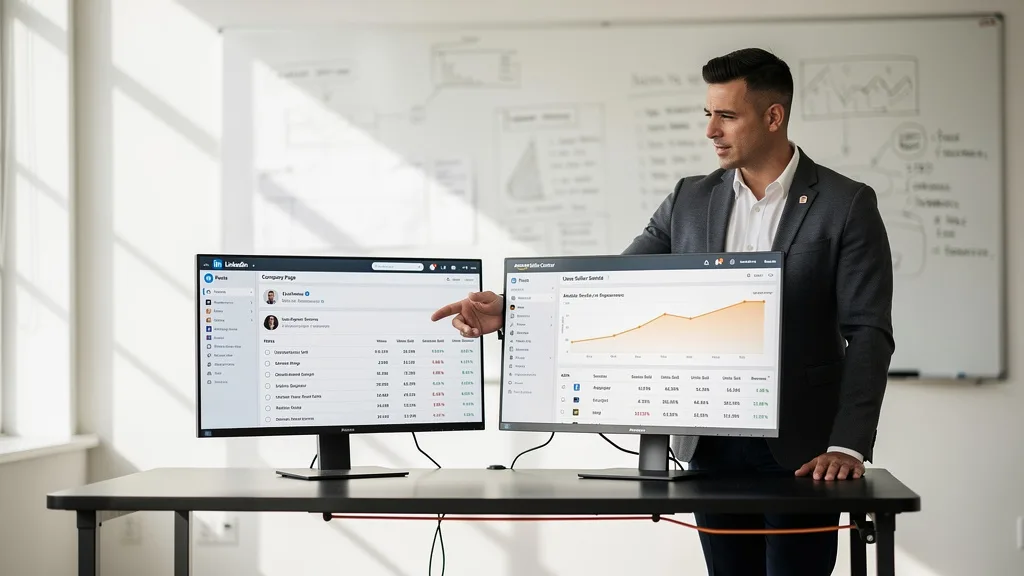
Are you leveraging every tool at your disposal to scale your Amazon brand from seven to eight figures? While you focus on PPC and listing optimization, a powerful, often overlooked platform could be the key to unlocking your next level of growth. For serious Amazon sellers, LinkedIn is no longer just a resume site; it's a strategic asset for brand building, market research, and driving profitable growth.
The 10 viral LinkedIn lessons for Amazon sellers in 2026 are a framework for transforming your professional profile into a dynamic engine for your ecommerce business. By cultivating a personal brand, engaging with industry leaders, and networking strategically, you can build trust, generate pre-launch buzz, and gain a significant competitive edge that translates directly to your bottom line. This guide provides actionable steps to turn your LinkedIn presence into a cornerstone of your brand's success beyond the Amazon marketplace.
Why LinkedIn Is a Goldmine for Amazon Sellers in 2026
In today's competitive ecommerce landscape, relying solely on Amazon's ecosystem is a risky strategy. LinkedIn offers a unique opportunity to build brand equity and connect with an audience in a professional context. Unlike other social media platforms, LinkedIn is populated by decision-makers, industry experts, potential partners, and high-value customers. For Amazon sellers, this environment is perfect for establishing authority and credibility, which are essential for long-term, sustainable marketplace businesses.
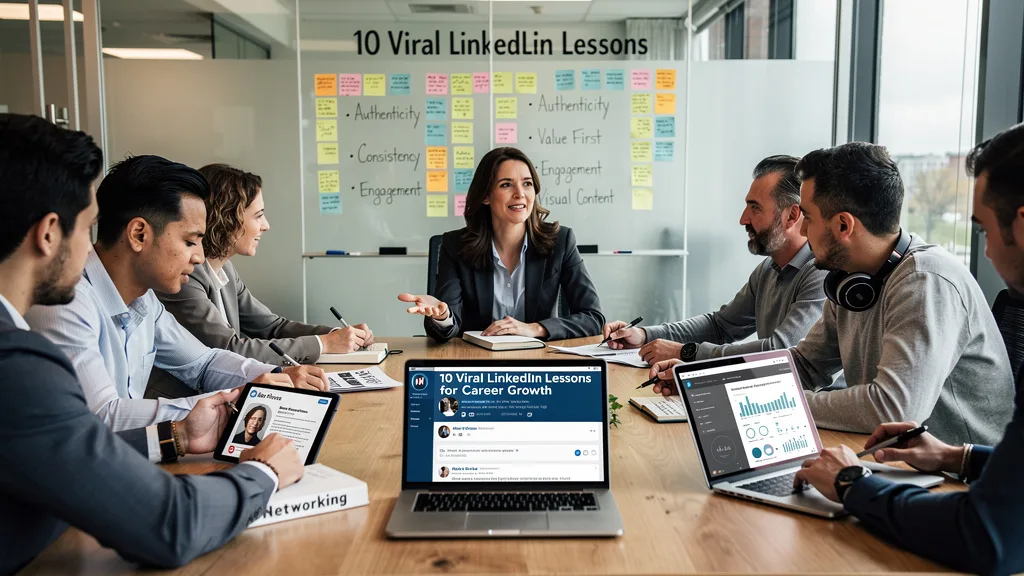
The platform has evolved significantly, prioritizing content, community, and connection. This shift means that sharing your brand's story, insights, and values can attract a loyal following that transcends any single marketplace. By engaging authentically on LinkedIn, you are not just selling products; you are building a brand that people trust and want to support. This trust can lead to higher conversion rates, better customer loyalty, and valuable business opportunities that you won't find anywhere else.
Building Your Brand Beyond the Amazon Marketplace
Your Amazon listings tell customers what you sell, but your LinkedIn presence can tell them who you are and why they should care. Building a brand off-Amazon is critical for creating a defensible business that isn't entirely dependent on Amazon's algorithms. LinkedIn is the ideal platform to start this process by focusing on personal branding, authentic storytelling, and community building. These efforts create a narrative that resonates with customers on a deeper level than a product description ever could.
Lesson 1: Cultivate a Personal Brand to Build Customer Trust
People connect with people, not faceless corporations. As the founder or leader of your Amazon brand, your personal profile is your most powerful asset on LinkedIn. By sharing your expertise, your journey as an entrepreneur, and your vision for the brand, you build a layer of trust that is difficult to replicate. This personal connection makes customers feel more invested in your success and more likely to choose your products over a competitor's.

To cultivate your personal brand, consistently post valuable content related to your niche, engage in relevant discussions, and optimize your profile to reflect your authority. Think of yourself as the chief ambassador for your brand. When you establish yourself as a credible expert, that credibility extends to your products, making your brand more attractive to both customers and potential business partners. This is a foundational step toward achieving sustainable, profitable growth.
Lesson 2: Use Authentic Storytelling to Create a Connection
Every brand has a story, and LinkedIn is the perfect stage to tell it. Whether it's the problem that inspired your first product, a challenge you overcame in manufacturing, or a customer success story, authentic narratives create an emotional connection. This connection fosters loyalty and turns casual buyers into brand advocates. Your story differentiates you from the thousands of other sellers on Amazon.
"In the crowded Amazon marketplace, a compelling brand story is your ultimate competitive advantage. LinkedIn gives you the platform to share that story directly with a professional audience, building the trust and connection that drives long-term value and separates you from the competition."
Share your brand's mission, values, and the 'why' behind what you do. Use a mix of text posts, images, and videos to bring your story to life. When customers understand your purpose, they are not just buying a product; they are buying into your vision. This deeper connection is invaluable in today's competitive ecommerce landscape.
Lesson 3: Share Behind the Scenes Content to Foster Community
Giving your audience a peek behind the curtain is a powerful way to build a community around your brand. Sharing behind-the-scenes content humanizes your business and makes your followers feel like insiders. This could include videos of your product development process, photos of your team at work, or updates on your company's milestones. This type of content is highly engaging and fosters a sense of belonging.
This transparency builds trust and makes your brand more relatable. When customers see the real people and effort that go into your products, they develop a stronger appreciation for what you do. Encourage interaction by asking questions and responding to comments, turning your followers into an active community. A strong community is a powerful asset that can provide feedback, support, and word-of-mouth marketing.
Gaining a Competitive Edge with Platform Insights
LinkedIn isn't just a content platform; it's a powerful market intelligence tool. For savvy Amazon sellers, it provides a direct line to customer opinions, emerging industry trends, and competitor strategies. By actively listening and engaging, you can gather valuable data that informs your product development, marketing campaigns, and overall business strategy, giving you a distinct advantage in the marketplace.
Lesson 4: Conduct Market Research with LinkedIn Polls
Want to validate a new product idea or get feedback on packaging design? LinkedIn Polls are a simple yet effective way to conduct quick market research. You can ask your network direct questions and receive immediate feedback from a relevant professional audience. This can save you significant time and money by helping you make data-driven decisions before investing in inventory.
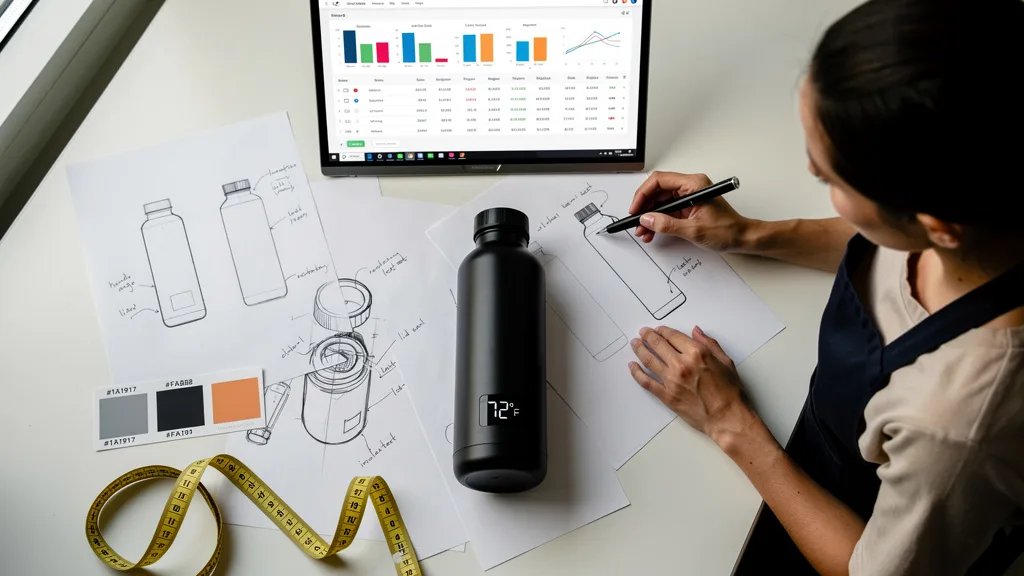
For example, you could run a poll asking, "Which of these three features is most important for a new [your product]?" or "Which color option do you prefer for our upcoming launch?" The responses provide direct insight into customer preferences. Analyzing the profiles of those who vote can give you even deeper demographic and psychographic data about your target audience, helping you refine your marketing messages.
Lesson 5: Follow Industry Leaders to Spot Ecommerce Trends
The ecommerce world moves fast. To stay ahead, you need to be aware of the latest trends, technologies, and strategies. On LinkedIn, you can follow key industry leaders, Amazon executives, and top ecommerce consultants like Feon Ang to get a real-time feed of valuable insights. Their posts often highlight emerging trends in logistics, marketing, and customer behavior that can directly impact your Amazon business.
By actively following and engaging with these thought leaders, you position yourself at the forefront of the industry. You'll be among the first to know about new platform features, shifts in consumer spending, and innovative tactics for profitable growth. This knowledge allows you to adapt your strategy proactively rather than reacting to changes after they've already happened, ensuring you remain competitive.
Lesson 6: Analyze Competitor Strategies and Discussions
Your competitors are likely on LinkedIn, and their activity can provide a wealth of information. By following their company pages and key employees, you can learn about their product launches, marketing campaigns, and company culture. Pay attention to the content they share, the discussions they participate in, and the engagement they receive. This analysis can reveal their strategic priorities and potential weaknesses you can exploit.
Furthermore, monitor discussions within relevant industry groups to see what challenges other sellers are facing and what solutions they are finding. This can help you identify gaps in the market or opportunities to improve your own operations. Understanding the broader competitive conversation helps you to find low-competition Amazon niches and position your brand more effectively.
Here is a comparison of different research methods available on LinkedIn:
| Research Method | Primary Goal | Best For | Potential Outcome |
|---|---|---|---|
| LinkedIn Polls | Quantitative Feedback | Validating specific ideas, features, or designs. | Quick data on audience preferences. |
| Following Leaders | Trend Spotting | Staying ahead of industry shifts and new strategies. | Proactive business and marketing decisions. |
| Competitor Analysis | Competitive Intelligence | Identifying competitor strengths, weaknesses, and market gaps. | Improved strategic positioning and market differentiation. |
Driving Profitable Growth and Sales from LinkedIn
While brand building is a long-term play, LinkedIn can also be used to drive more immediate results for your Amazon business. By strategically aligning your content with your sales goals, you can generate excitement, drive traffic, and boost sales during key periods. This involves using the platform to create buzz around new products and leveraging major shopping events to maximize your visibility and revenue.
Lesson 7: Announce Product Launches for Pre-Sale Buzz
A successful product launch on Amazon often depends on generating strong initial sales velocity. LinkedIn is an excellent platform for building anticipation before your product goes live. You can start teasing the new product weeks in advance, sharing sneak peeks, behind-the-scenes content, and the story behind its creation. This builds a captive audience that is ready to buy on day one.
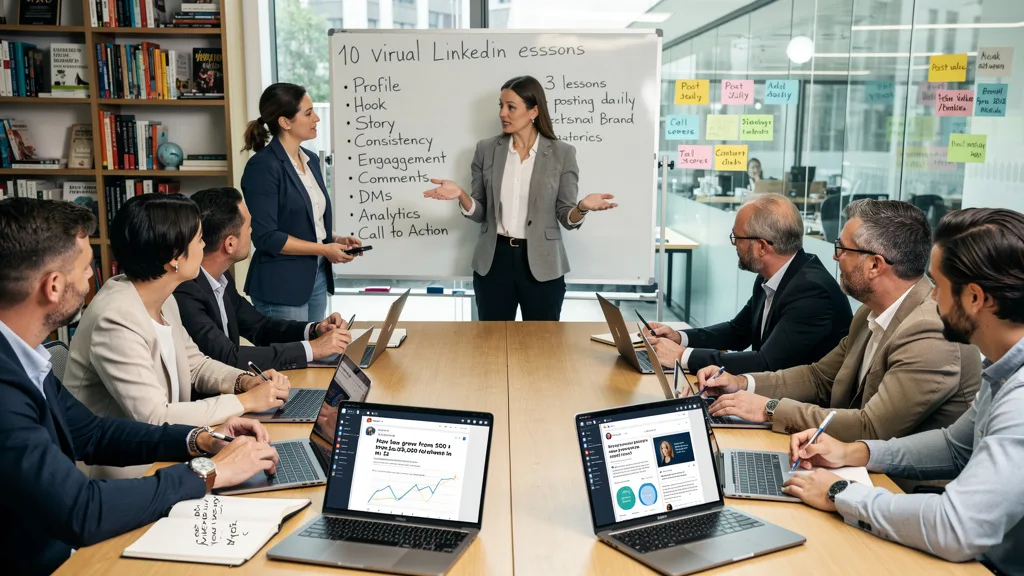
Consider creating a waitlist or offering an exclusive pre-launch discount to your LinkedIn followers to further incentivize early adoption. By the time you launch, you will have a group of eager customers ready to purchase and leave reviews, which is critical for gaining traction in Amazon's algorithm. This pre-sale buzz can be the difference between a slow start and a best-selling product.
Lesson 8: Align Content with Events Like Prime Big Deal Days
Major Amazon sales events like Prime Big Deal Days are massive opportunities for sellers. Your LinkedIn content strategy should align with these key dates. In the weeks leading up to the event, share content that helps your audience prepare. This could include gift guides featuring your products, tips for finding the best deals, or a preview of the promotions you'll be offering.
During the event, post updates about your top deals and share user-generated content from happy customers. This creates a sense of urgency and social proof that can drive significant traffic to your listings. Remember to analyze your Amazon PPC cost and budget accordingly for these high-traffic periods to maximize your return on investment and achieve profitable growth.
Optimizing Operations and Networking for Success
Beyond marketing and brand building, LinkedIn is an unparalleled networking tool that can help you optimize every aspect of your Amazon business operations. From finding reliable suppliers to forming strategic partnerships, the connections you make on the platform can provide a significant competitive advantage. A professional and active presence can open doors to opportunities that will fuel your growth.
Lesson 9: Network with Suppliers, Influencers, and Other Sellers
Your success on Amazon depends heavily on your supply chain and your network. LinkedIn makes it easier than ever to find and connect with high-quality suppliers, logistics partners, and freight forwarders around the world. You can vet potential partners by reviewing their profiles, recommendations, and connections, reducing the risk of costly operational mistakes.
Additionally, you can connect with influencers in your niche for potential collaborations and network with other successful Amazon sellers to share knowledge and best practices. Joining relevant groups and participating in discussions can lead to valuable relationships and insights that you can't find elsewhere. For more on this, explore some of the best LinkedIn groups for Amazon sellers to start building your community.
Lesson 10: Showcase Professionalism to Attract Partnerships
A well-maintained LinkedIn profile and company page act as your digital business card. They signal to the world that you are a serious, professional brand owner. This professionalism can attract a wide range of opportunities, including B2B sales, distribution deals, and even potential investors or acquirers. Your LinkedIn presence is often the first place a potential partner will look to learn more about you and your business.
Ensure your company page is complete with a compelling description, high-quality branding, and regular updates about your business. Encourage your team members to connect their profiles to the page to showcase the talent behind your brand. A strong, professional presence builds confidence and makes your business an attractive partner for growth opportunities.
Key Takeaways
Integrating LinkedIn into your Amazon strategy is no longer optional for sellers aiming for 8-figure success. Here are the key lessons to implement in 2026:
- Build a Personal Brand: People trust people. Use your personal profile to become the face of your brand and build credibility.
- Tell Authentic Stories: Connect with customers on an emotional level by sharing your brand's journey, mission, and values.
- Share Behind the Scenes: Foster a loyal community by giving followers an inside look at your operations and company culture.
- Conduct Market Research: Use LinkedIn Polls and discussions to validate ideas and gather direct customer feedback.
- Follow Industry Leaders: Stay ahead of ecommerce trends by learning from the top experts in the field.
- Analyze Competitors: Gain a competitive edge by monitoring your rivals' strategies and identifying market gaps.
- Create Pre-Launch Buzz: Announce new products on LinkedIn to build anticipation and drive initial sales velocity on Amazon.
- Align with Sales Events: Maximize revenue during events like Prime Big Deal Days with a coordinated content strategy.
- Network Strategically: Connect with suppliers, influencers, and peers to optimize operations and uncover new opportunities.
- Showcase Professionalism: Attract B2B deals, partnerships, and investors with a polished and active company presence.
Frequently Asked Questions
What kind of content works best for Amazon sellers on LinkedIn?
The best content for Amazon sellers on LinkedIn is a mix of value-driven posts, brand storytelling, and behind-the-scenes glimpses. Share your expertise on your product category, discuss broader ecommerce trends, and tell the story of your brand's mission and challenges. Personal posts from the founder often perform very well, as they humanize the brand.
Avoid a hard-sell approach. Instead of just posting product links, focus on creating content that educates, inspires, or entertains your audience. For example, share a case study of how your product solved a customer's problem or a video detailing your sustainable manufacturing process. This approach builds an engaged audience that is more receptive to your products when you do promote them.
Can networking on LinkedIn lead to better supplier deals?
Absolutely. LinkedIn is a powerful tool for supply chain management. By connecting directly with manufacturers, logistics providers, and sourcing agents, you can bypass intermediaries and build direct relationships. A strong professional profile and a clear presentation of your brand's volume and growth potential can give you leverage when negotiating terms.
Furthermore, you can get recommendations and referrals from other sellers in your network for trusted suppliers. This can help you avoid unreliable partners and secure better pricing, quality, and payment terms. Building these relationships on a professional platform like LinkedIn adds a layer of credibility and accountability to your negotiations.
How can LinkedIn help with Amazon inventory forecasting?
While LinkedIn is not a direct inventory management tool, it can provide qualitative data to improve your forecasting. By monitoring industry discussions and following economic thought leaders, you can get a better sense of upcoming consumer spending trends and potential supply chain disruptions. This helps you make more informed high-level forecasting decisions.
Additionally, using LinkedIn Polls to gauge interest in a new product or feature can help you estimate initial demand more accurately. If a pre-launch post generates significant engagement and a high number of waitlist sign-ups, you can adjust your initial inventory order accordingly. This helps prevent stockouts or overstocking, which are both costly mistakes for Amazon sellers.
Is LinkedIn useful for selling B2B products on Amazon?
LinkedIn is exceptionally useful for Amazon sellers with B2B products. The platform's user base consists of professionals and business decision-makers, making it the ideal place to target your ideal B2B customers. You can use LinkedIn's powerful ad targeting features to reach users by job title, industry, company size, and other professional demographics.
Beyond advertising, you can create content that addresses the specific pain points of your business customers, such as case studies, white papers, and technical guides. By establishing your brand as an authority in your industry on LinkedIn, you can drive qualified B2B traffic directly to your Amazon listings or your own website for bulk orders through the Amazon Business program.
Are there specific LinkedIn groups for Amazon sellers?
Yes, there are numerous LinkedIn groups dedicated to Amazon sellers, FBA businesses, and general ecommerce. These groups are valuable communities for networking, asking questions, and sharing knowledge with peers. Some are broad, covering all aspects of selling on Amazon, while others are more niche, focusing on specific topics like PPC advertising, international expansion, or private label strategies.
To find them, simply use the search bar on LinkedIn and filter by "Groups." Participating actively and providing value in these communities is an excellent way to build your professional network and establish your reputation as an expert. This can lead to collaborations, partnerships, and valuable advice from experienced sellers who have faced similar challenges. You can also explore curated lists to connect with Amazon sellers on LinkedIn more effectively.
Conclusion
Embracing these 10 viral LinkedIn lessons for Amazon sellers in 2026 is about more than just posting content; it's about building a resilient, multi-channel brand that thrives beyond the confines of a single marketplace. By investing time in cultivating your personal brand, engaging with your community, and leveraging the platform's powerful networking and research tools, you create a sustainable competitive advantage. This strategic approach will not only drive profitable growth for your Amazon business but also open doors to partnerships and opportunities essential for scaling from seven to eight figures and beyond.
If you're a 7-figure Amazon brand owner ready to implement these strategies and achieve profit-focused growth, it's time to ensure your foundation is solid. An expert audit can reveal hidden opportunities in your listings and PPC campaigns that will accelerate your success. Get a comprehensive analysis of your brand's potential today.
Ready to scale? Get your Free Audit.