
Table of Contents 8 sections
Are hidden Amazon FBA fees silently eroding your profits? For many sellers, navigating the complex web of charges is the single biggest challenge to achieving profitability. Understanding the precise costs associated with your products is not just good practice; it is essential for survival and growth on the world's largest online marketplace.
The total Amazon FBA fees by product category: full breakdown 2026 guide clarifies this complex system. FBA fees are composed of three main parts: referral fees, which are Amazon's commission and vary by category; fulfillment fees for picking, packing, and shipping; and inventory storage fees. Mastering these costs is the first step toward building a sustainable and profitable Amazon business this year.
Understanding the Core Components of Amazon FBA Fees in 2026
To accurately predict your profit margins, you must first understand the fundamental fees that make up the FBA cost structure. These fees can be categorized into three primary groups: account-related fees, service fees for fulfillment, and costs for storing your inventory in Amazon's warehouses. Each component plays a significant role in your overall expenses.

Ignoring any one of these can lead to unexpected charges that turn a seemingly profitable product into a loss. As of 2026, Amazon continues to refine its fee structure, making it more important than ever for sellers to stay informed about the latest changes and how they apply to their specific business model and product catalog.
Seller Account Plans: Individual vs. Professional
Your journey begins with choosing a selling plan. Amazon offers two basic types: the Individual selling plan and the Professional selling plan. The Individual plan has no monthly subscription fee; instead, you pay a flat $0.99 fee for each item sold. This plan is ideal for those just starting out or sellers who anticipate selling fewer than 40 items per month.
Conversely, the Professional plan costs $39.99 per month but waives the per-item selling fee. This option is more cost-effective for high-volume sellers and unlocks access to crucial tools, including advanced advertising, detailed reporting, and the ability to apply to sell in restricted categories. Choosing the right plan based on your sales volume is the first step in managing your costs effectively.
Fulfillment Fees: Picking, Packing, and Shipping
Fulfillment fees are the core of the FBA service, covering the entire process from when a customer places an order to when it arrives at their doorstep. These fees encompass the costs of picking your product from a warehouse shelf, packing it securely in a box, and handling all aspects of shipping and customer service. This is the primary value proposition of FBA, allowing you to outsource logistics.
These fees are not one-size-fits-all. They are calculated based on your product's size and weight, categorized into specific tiers like Small Standard, Large Standard, and various levels of Oversize. A slight miscalculation in your product's dimensions can push it into a more expensive tier, significantly impacting your profitability on every sale.
Monthly and Long-Term Inventory Storage Fees
Amazon charges for the space your inventory occupies in their fulfillment centers, calculated per cubic foot. These monthly storage fees fluctuate seasonally, with costs increasing during the peak holiday season from October to December. Efficient inventory management is crucial to keep these costs manageable throughout the year.
In addition to monthly fees, Amazon penalizes slow-moving stock with long-term inventory storage fees, now referred to as aged inventory surcharges. These extra fees apply to units that have been stored in a fulfillment center for over 271 days. Proactively managing your inventory sell-through rate is essential to avoid these costly penalties and protect your margins. Finding the right products is a key part of this, and sellers can learn more about how to find low-competition Amazon niches to improve inventory turnover.
Amazon Referral Fees by Product Category: Full Breakdown
Referral fees are Amazon's commission for every sale made on its platform. This fee is a percentage of the item's total sales price, which includes the item price, shipping costs, and any gift-wrapping charges. The percentage varies dramatically depending on the product category, making it a critical factor when conducting product research and setting prices.

Understanding these percentages is non-negotiable for any serious seller. A 15% referral fee on a home decor item versus an 8% fee on a consumer electronic device can be the difference between a profitable venture and a failed one. Always factor in the correct referral fee for your category before investing in inventory.
Standard Referral Fee Percentages
Most product categories on Amazon have a standard referral fee percentage that applies to all sales. These percentages are a fundamental part of your cost of goods sold. For example, high-volume categories like Home & Kitchen and Sports & Outdoors typically have a 15% referral fee, while categories like Personal Computers are much lower.
Here is a table outlining the standard referral fee percentages for some of the most popular categories in 2026. Note that these are subject to change, and it is always best to consult the official Amazon Seller Central documentation for the most current rates.
| Product Category | Standard Referral Fee Percentage (2026) |
|---|---|
| Appliances | 15% for portion of sales price up to $300; 8% for portion over $300 |
| Books | 15% |
| Camera and Photo | 8% |
| Clothing & Accessories | 17% |
| Electronics | 8% |
| Health & Personal Care | 15% for items $10 or less; 8% for items over $10 |
| Home & Kitchen | 15% |
| Jewelry | 20% for portion of sales price up to $250; 5% for portion over $250 |
| Office Products | 15% |
| Tools & Home Improvement | 15% |
To ensure they receive a baseline commission on low-priced items, Amazon implements a minimum referral fee in many categories. For these products, Amazon will charge whichever is greater: the standard percentage-based referral fee or a flat minimum fee, which is typically $0.30 per item. This primarily affects sellers of inexpensive goods.
For example, if you sell a sticker for $1.00 in a category with a 15% referral fee and a $0.30 minimum, the percentage-based fee would be $0.15. Since the $0.30 minimum is greater, Amazon will charge you $0.30. This is an important consideration when pricing products under the $5 mark, as the effective commission rate can become quite high.
How Product Condition Affects Fees
The vast majority of sales on Amazon are for products in "New" condition, and the standard fee structures are designed around this. However, selling items in other conditions, such as "Used," "Collectible," or "Refurbished," can sometimes alter the fee calculation, although the core referral fee percentage for the category generally remains the same.
Where this can become more complex is in specific programs like Amazon Renewed, which has its own fee structure for refurbished products. Additionally, closing fees for media items like books, DVDs, and video games apply regardless of condition. Always verify the fee details for the specific condition and category you plan to sell in.
How to Accurately Calculate Your Total FBA Fees
Guesswork is not a viable strategy when it comes to calculating your FBA fees. To ensure profitability, you need a precise understanding of the total cost per unit. This involves using Amazon's provided tools or a reliable manual formula to account for every variable, from referral percentages to product dimensions.
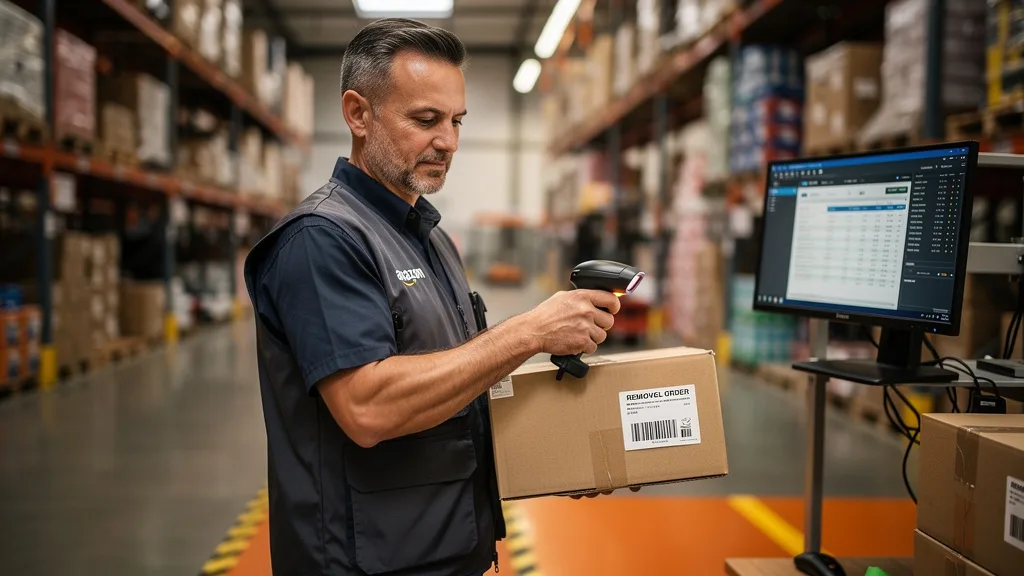
A miscalculation can lead to setting a retail price that is too low, resulting in a loss on every sale. Taking the time to perform this calculation accurately before you source a product is one of the most critical steps in the entire selling process.
Using the Official Amazon FBA Revenue Calculator
Amazon provides a powerful and free tool called the Amazon FBA Revenue Calculator. This is the most reliable way to estimate your fees. You can search for an existing product on Amazon by name or ASIN, or you can input the details of a new product, including its dimensions, weight, category, and price. The calculator will then provide a detailed breakdown of all the associated fees and your estimated net profit per unit.
This tool is invaluable for product research, allowing you to quickly compare the potential profitability of different items. It also helps you visualize the impact of price changes on your bottom line. Familiarizing yourself with the FBA calculator is a fundamental skill for any successful seller. Many guides to Amazon seller fees 2026 recommend using this tool as a first step.
Manual Calculation: A Step-by-Step Formula
While the calculator is convenient, understanding the manual formula helps you grasp the underlying mechanics of your costs. The basic formula to calculate your core FBA fees for a single unit is straightforward and provides a clear picture of your expenses.
The formula is as follows:
- Total FBA Fee = Referral Fee + FBA Fulfillment Fee + Monthly Storage Fee (per unit)
To use this, you first calculate the referral fee based on your product's category and sale price. Next, you determine the fulfillment fee using Amazon's rate card for your product's size and weight tier. Finally, you estimate the per-unit monthly storage cost. Adding these three components together gives you a solid estimate of your total fees.
Factoring in Product Size and Weight Tiers
The FBA fulfillment fee is directly tied to your product's size and weight tier. Amazon has a detailed classification system, starting with Small Standard-Size and moving up through Large Standard-Size and multiple Oversize tiers. The difference in fees between tiers can be substantial.
For example, a product that is just a fraction of an inch too long or an ounce too heavy can be pushed from Large Standard to Small Oversize, potentially doubling the fulfillment fee. It is critical to have precise measurements for your product, including its packaging, to ensure you are calculating fees based on the correct tier. Staying informed on the latest Amazon FBA fee structure updates is vital for accurate calculations.
Beyond the Basics: Other FBA Fees to Consider
While referral, fulfillment, and storage fees make up the bulk of your costs, several other fees can appear on your statements. These are often situational, but failing to account for them can lead to unexpected deductions from your revenue. Being aware of these additional charges helps you maintain a complete financial picture of your Amazon business.
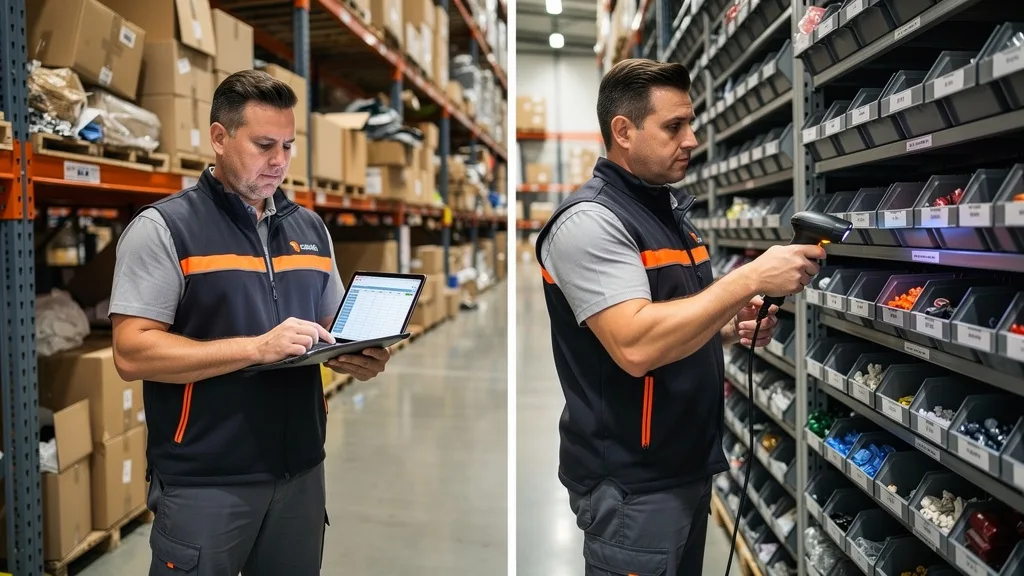
These fees often relate to inventory management issues, customer returns, or optional services you might choose to use. While you may not encounter them regularly, it is important to know they exist and understand when they might apply.
Removal and Disposal Order Fees
If you have inventory that is not selling, you cannot leave it in Amazon's fulfillment centers indefinitely without incurring aged inventory surcharges. To deal with this stock, you have two options: have it returned to you or have Amazon dispose of it. Both actions incur a per-item fee.
Removal order fees are charged to have your inventory shipped back to your address. Disposal order fees are charged for Amazon to destroy the inventory. These fees are based on the item's size and weight, and they are an unavoidable cost of liquidating unsuccessful products.
Returns Processing Fees
In categories where Amazon offers free customer returns, such as Apparel, Shoes, and Handbags, sellers are charged a returns processing fee for each unit returned by a customer. This fee is equivalent to the original fulfillment fee for that item.
This fee covers the operational costs of handling the return, inspecting the item, and putting it back into your inventory if it is still in sellable condition. For sellers in these categories, it is crucial to factor in an expected return rate when calculating overall product profitability.
Optional Service Fees: Labeling and Prep
To ensure products are ready for the fulfillment process, Amazon has strict preparation and labeling requirements. If you are unable or prefer not to handle this yourself, you can opt into Amazon's FBA Prep Service and FBA Label Service. These are convenient but come at an additional per-item cost.
Services include poly bagging, bubble wrapping, taping, and applying FNSKU labels to your products. While using these optional services can save you time and effort, the costs can add up, especially for high-volume sellers. It is important to weigh the convenience against the added expense.
Strategies to Manage and Reduce Your FBA Costs
Successfully selling on Amazon is not just about driving sales; it is about maximizing profit. Actively managing and seeking ways to reduce your FBA fees can have a significant positive impact on your bottom line. A proactive approach to cost optimization is a hallmark of a mature and scalable Amazon business.
From smarter inventory planning to leveraging specific Amazon programs, there are several effective strategies you can implement. These tactics help you keep more of your revenue and build a more resilient and profitable operation for the long term.
Optimize Your Inventory Management
The most direct way to control storage fees is through disciplined inventory management. Avoid overstocking products, as this not only ties up your capital but also leads to higher monthly storage fees and the risk of long-term storage penalties. Use Amazon's inventory management tools and sales data to forecast demand more accurately.
"In 2026, the key to FBA profitability is inventory velocity. The less time your product spends on a warehouse shelf, the lower your storage costs will be. Focus on products with strong, consistent sales and use data to maintain a lean but sufficient level of stock to meet demand."
Aim for a just-in-time approach, sending in new inventory as your current stock begins to deplete. A strong Amazon SEO strategy can improve your product visibility and sell-through rate, which is a crucial component of healthy inventory management.
Leverage the FBA Small and Light Program
If you sell small, inexpensive, and lightweight products, the FBA Small and Light program can be a game-changer. This program offers significantly lower fulfillment fees for qualifying items, making it possible to profitably sell products that would otherwise be unviable due to standard FBA costs. This is one of many Amazon FBA Fees 2026 strategies to consider.
Products must meet specific criteria related to price (typically under $12), weight, and dimensions to be eligible. Enrolling your products in this program can directly boost your profit margin on every sale, so it is well worth investigating if your catalog includes eligible items.
Bundle Products to Minimize Fees
A clever strategy to reduce fulfillment fees is to bundle multiple related products into a single package with a new UPC and ASIN. For example, instead of selling three individual kitchen gadgets, you can create a "kitchen gadget set." This allows you to pay one FBA fulfillment fee for the entire bundle instead of three separate fees.
This tactic is particularly effective for small, complementary items. Not only does it reduce your FBA fees as a percentage of the total sale price, but it can also increase the perceived value for the customer, potentially allowing you to command a higher price and improve your overall margin.
Key Takeaways
Navigating the Amazon FBA fee structure is a critical skill for any seller aiming for long-term success. By understanding the different types of fees and how they apply to your products, you can make more informed decisions about sourcing, pricing, and inventory management. Here are the essential points to remember from our 2026 breakdown:
- Fees are multi-layered: Your total cost is a combination of your seller plan, referral fees (which vary by category), fulfillment fees (based on size and weight), and inventory storage fees.
- Category matters: The referral fee percentage is one of the most significant variables in your profit calculation. Always verify the rate for your specific product category.
- Use the FBA Calculator: The official FBA Revenue Calculator is your most reliable tool for estimating profitability before you invest in a product.
- Inventory is a liability: Poor inventory management leads to high monthly storage costs and punitive long-term storage fees. Keep your inventory lean and moving.
- Optimize for cost reduction: Actively seek opportunities to lower your fees by using programs like Small and Light, bundling products, and ensuring your product dimensions are accurate.
Frequently Asked Questions
How much will Amazon FBA fees increase in 2026?
Amazon typically adjusts its FBA fees on an annual basis to reflect changes in operational, transportation, and labor costs. While specific, comprehensive changes for the entirety of 2026 are announced periodically, sellers should generally anticipate modest increases in fulfillment and storage fees in line with inflation.
It is crucial to monitor announcements in Amazon Seller Central for the most up-to-date information. These adjustments often take effect in the first quarter of the year, so planning ahead is key to maintaining your profit margins.
Is FBA still profitable in 2026?
Yes, Fulfillment by Amazon remains a highly profitable business model for millions of sellers in 2026. However, profitability is more dependent than ever on careful product selection, strategic sourcing, and a deep understanding of the fee structure. Success is not guaranteed and requires diligent management.
Sellers who treat their FBA business as a serious enterprise, constantly analyzing costs and optimizing their operations, are well-positioned for success. Those who neglect to manage their fees and inventory risk being squeezed out by rising costs and competition.
Why is my FBA fee so high?
If your FBA fees seem unexpectedly high, it is typically due to one of a few common issues. First, check your product's dimensions and weight in the system; incorrect data can push your item into a more expensive fulfillment tier. Second, you might be selling in a category with a high referral fee percentage.
Finally, the most common culprit for surprisingly high costs is aged inventory surcharges (long-term storage fees). If your products are not selling quickly enough, these penalties can accumulate and significantly impact your profitability. Regularly review your inventory age and take action on slow-moving stock.
What is the difference between FBA fees and referral fees?
This is a crucial distinction. The referral fee is Amazon's commission for allowing you to sell on their marketplace; it is a percentage of the total sale price and is paid by all sellers, regardless of how they fulfill orders. It is the cost of accessing Amazon's massive customer base.
FBA fees, specifically fulfillment fees, are the charges for using Amazon's logistics service. You pay these fees in exchange for Amazon storing your products and handling the picking, packing, shipping, and customer service for your orders. If you fulfilled orders yourself (FBM), you would not pay FBA fees, but you would still pay the referral fee.
Do FBA fees include the cost of shipping to the customer?
Yes, the core FBA fulfillment fee covers the cost of shipping the order from the Amazon fulfillment center to the end customer. This includes standard shipping and the expedited shipping options available to Prime members. This is a major component of the FBA value proposition.
However, it is important to remember that this fee does not cover the cost of shipping your inventory *from* your supplier or location *to* Amazon's fulfillment centers. This inbound shipping cost is a separate expense that you must also factor into your total cost of goods sold.
Conclusion
Mastering the Amazon FBA fees by product category: full breakdown 2026 is not just an accounting exercise; it is a fundamental strategy for building a resilient and profitable business. By dissecting each cost component, from category-specific referral fees to the nuances of storage and fulfillment charges, you empower yourself to make smarter sourcing, pricing, and inventory decisions. The key takeaways are to use Amazon's calculator for accurate forecasting, actively manage your inventory to avoid penalties, and continuously look for optimization opportunities. Your next step should be to audit your top-selling products against this fee structure to uncover immediate opportunities for profit improvement.
Ready to ensure your Amazon business is as profitable as it can be? Our experts can analyze your listings and fee structure to identify hidden savings and growth opportunities. Take the guesswork out of your FBA costs and get a clear path to higher margins. Get started with your Free Audit today.