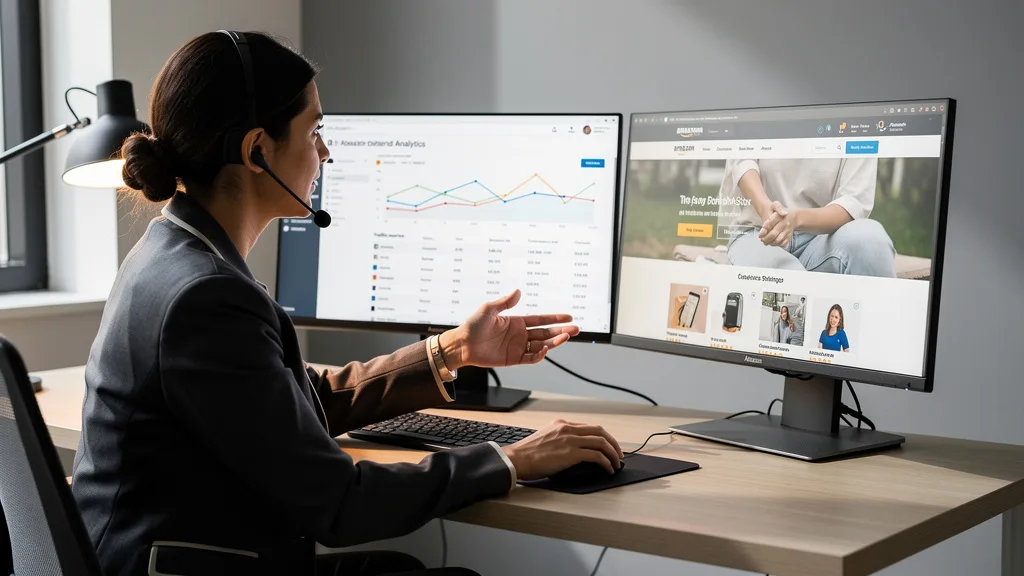
Are you leaving money on the table by neglecting your Amazon Brand Store? In an increasingly crowded marketplace, a simple product detail page is no longer enough to capture and convert discerning shoppers. To truly scale your brand from seven to eight figures, you need a dedicated, immersive brand destination on Amazon.
The best web marketing design best practices for Amazon Brands in 2026 involve creating a mobile-first, visually rich Brand Store that tells a compelling brand story. This includes intuitive navigation, high-quality media, strategic product collections, and integration with Sponsored Brands ads to create an immersive shopping experience that drives sales and loyalty. Moving beyond individual listings to a cohesive storefront is the key to building a defensible brand and increasing customer lifetime value on the platform.
Why Amazon Brand Stores Matter for Your Success in 2026
An Amazon Brand Store is your brand's digital flagship within the world's largest online marketplace. It's a multi-page, curated shopping experience that allows you to showcase your brand story, highlight your full product catalog, and create a deeper connection with customers. Unlike a standard product detail page, a Brand Store gives you complete creative control over the layout, design, and narrative, helping you stand out from competitors who are only competing on price and reviews.
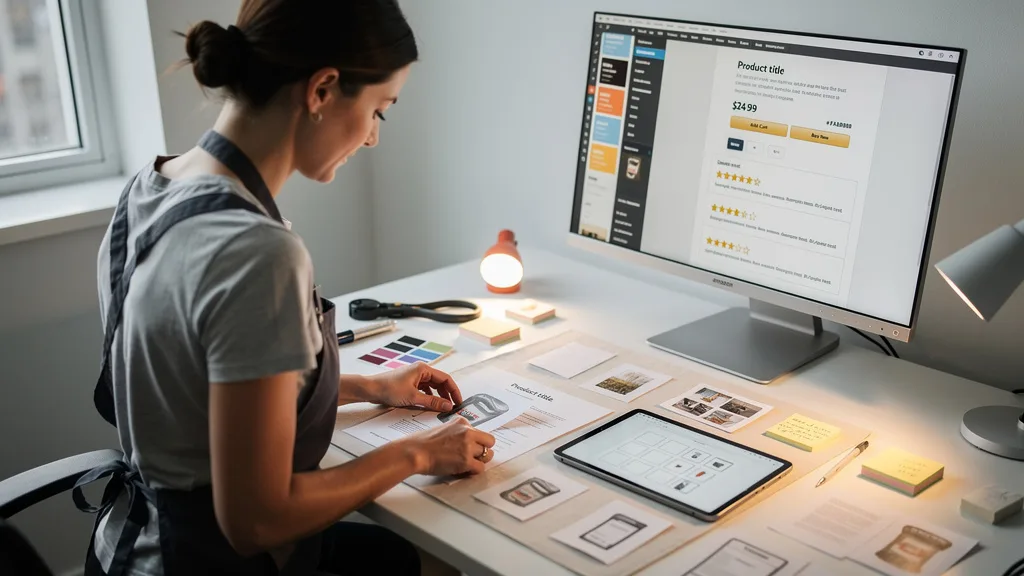
For serious brand owners aiming for significant growth, the Brand Store is a non-negotiable asset. It provides a dedicated destination for traffic from both on and off Amazon, including your social media channels and email marketing campaigns. Data from 2026 shows that brands with an optimized store see a higher average order value and increased repeat purchases. This is because a store allows for effective cross-selling and up-selling, encouraging shoppers to explore more of what you have to offer and reinforcing brand loyalty.
Core Principles of High-Converting Brand Store Design
Creating a Brand Store that not only looks great but also converts visitors into loyal customers requires a strategic approach. The most successful stores are built on a foundation of core design principles that prioritize the user experience. It's about blending beautiful aesthetics with seamless functionality to guide shoppers on their journey from discovery to purchase. These principles ensure your store is not just a digital brochure but a powerful sales engine for your brand.
Crafting a Compelling Brand Story and Visual Identity
Your Brand Store is the perfect platform to tell your story. Use the 'About' page and various content modules to share your mission, your values, and what makes your products unique. This narrative helps build an emotional connection with shoppers, turning them from one-time buyers into long-term brand advocates. Consistent brand storytelling across your store reinforces customer trust and sets you apart from generic sellers.
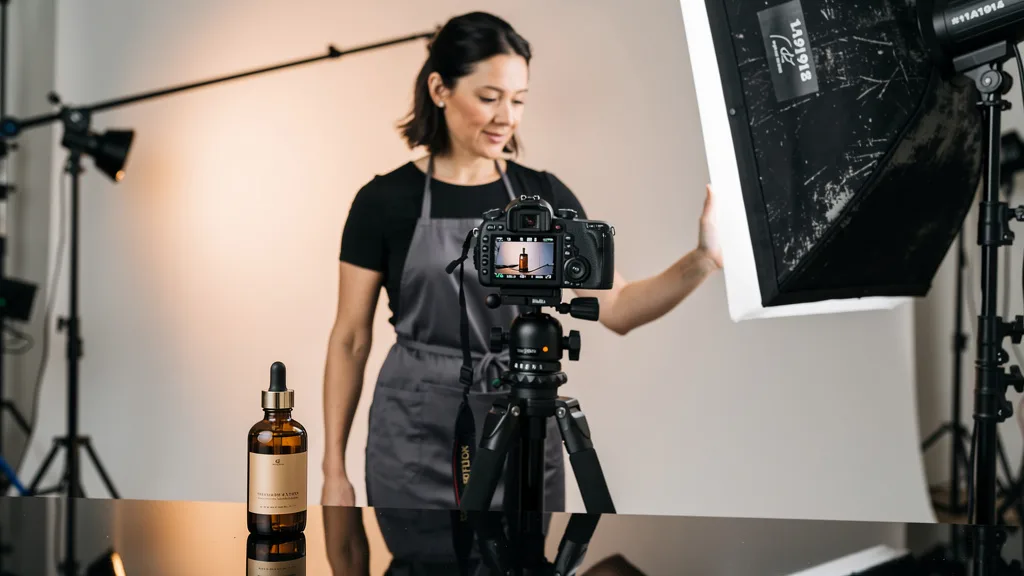
A strong visual identity is crucial for brand recognition and trust. Ensure your store uses your brand's official logo, color palette, and typography consistently across all pages. This creates a cohesive and professional look that mirrors the experience customers might have on your direct-to-consumer website. This visual consistency makes your brand memorable and helps build a premium perception in the minds of shoppers.
Optimizing Navigation for an Intuitive Shopping Experience
The goal of your store's navigation is to help shoppers find what they are looking for with minimal effort. A confusing or cluttered menu will lead to frustration and high bounce rates. Design a simple, logical navigation bar with clear category names. Consider organizing your products by type, collection, best-sellers, or use case to provide multiple paths to discovery for different types of shoppers.
Implement a clear hierarchy in your navigation. Your main categories should be visible at the top, with subcategories neatly organized in dropdown menus or on the category pages themselves. Avoid overwhelming visitors with too many options in the main menu. A well-structured navigation system guides the customer journey, making the shopping experience seamless and enjoyable, which directly impacts conversion rates.
Using High-Quality Imagery and Video to Showcase Products
Visuals are the most powerful tool in your Brand Store arsenal. Generic, low-resolution images will instantly devalue your brand. Invest in professional, high-quality photography that includes lifestyle shots, in-use images, and detailed product photos from multiple angles. These visuals help customers envision the products in their own lives and understand their features and benefits more clearly.
Video content is especially effective for engaging shoppers and demonstrating product value. Use short, compelling videos to showcase a product's functionality, tell a brand story, or provide a behind-the-scenes look at your company. Embedding videos on your homepage or dedicated pages can significantly increase session duration and conversion rates. Effective use of media is a core component of strong Amazon listing optimization and is just as critical for your store.
Designing for Mobile-First Shoppers
A significant majority of Amazon's traffic comes from mobile devices, a trend that continues to grow in 2026. Therefore, your Brand Store must be designed with a mobile-first mindset. What looks good on a desktop monitor may be unusable on a smartphone screen. Prioritize a clean, uncluttered layout with large, easy-to-tap buttons and links.
When building your store, constantly use Amazon's preview tool to see how your pages will render on mobile. Keep text concise and use collapsible sections for longer content. Ensure your images and videos are optimized to load quickly on mobile connections without sacrificing quality. A seamless mobile experience is no longer a recommendation, it is a fundamental requirement for success on Amazon.
Strategic Content and Merchandising for Your Storefront
Beyond the basic design, the way you arrange and present your products and content is what transforms a good store into a great one. Strategic merchandising guides customers, inspires purchases, and increases the average order value. This involves thinking like a retail store manager, curating collections, and creating content that not only informs but also entertains and engages your audience. This approach helps build a dynamic and immersive shopping experience.
Building Themed Product Galleries and Collections
Don't just list your products. Curate them into themed collections that resonate with your target audience's needs and interests. For example, a skincare brand could create galleries like 'Anti-Aging Solutions' or 'Morning Skincare Routine'. A home goods brand might feature 'Cozy Living Essentials' or 'Outdoor Entertaining'. These collections simplify the shopping process and encourage the purchase of multiple, complementary items.
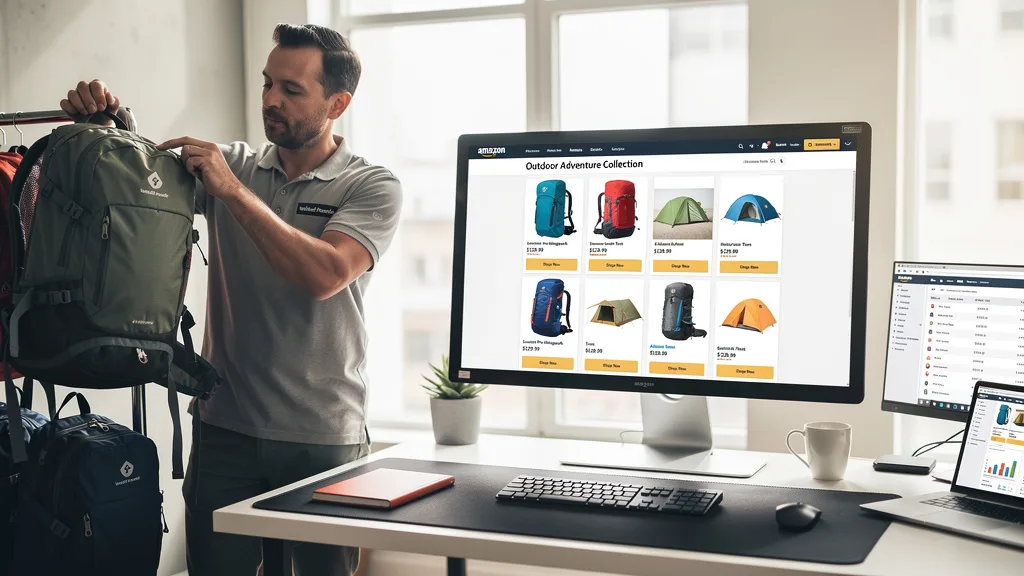
These themed galleries, or product galleries, are powerful tools for cross-selling and up-selling. They allow you to showcase how different products work together, increasing the perceived value and the likelihood of a larger cart size. Use compelling banner images and descriptive titles for each collection to draw shoppers in and tell a micro-story around that group of products.
Integrating Shoppable Posts and Lifestyle Content
Amazon's shoppable image module is a game-changer for content-driven commerce. This feature allows you to upload a high-quality lifestyle image and tag the specific products featured within it. When a customer hovers over or clicks on a tag, a pop-up appears with the product's basic information and a direct link to its detail page. This blurs the line between content and commerce, creating a highly engaging and seamless path to purchase.
Use shoppable posts to create an editorial or social media-like feel within your store. Showcase your products in real-world settings that align with your brand's aesthetic and your customers' aspirations. This type of lifestyle content is more authentic and persuasive than traditional product grids, helping shoppers to connect with your brand on a deeper level and visualize how your products fit into their lives.
Highlighting Promotions and New Arrivals Effectively
Your Brand Store is the ideal place to generate excitement around new product launches and special promotions. Use a prominent banner on your homepage to announce new arrivals or current deals. This immediately captures the attention of visitors and directs them to your most timely offers. Creating a sense of urgency and newness encourages repeat visits from customers who want to see what's new.
Consider creating dedicated pages in your navigation menu for 'New Arrivals' and 'Promotions'. This makes it easy for deal-seekers and loyal fans to find exactly what they're looking for without having to browse your entire catalog. Regularly updating these sections keeps your store feeling fresh and dynamic, signaling to both customers and Amazon's algorithm that your brand is active and relevant.
Driving Qualified Traffic with Amazon Advertising
A beautifully designed Brand Store is only effective if people see it. Driving qualified traffic is essential, and Amazon's advertising platform is the most powerful tool for the job. Integrating your advertising strategy with your Brand Store creates a synergistic loop where your ads drive high-intent shoppers to an optimized conversion environment. This holistic approach maximizes your return on ad spend and accelerates brand growth.
"A well-designed Amazon Brand Store is a conversion machine, but it's useless without fuel. Linking your Sponsored Brands ads directly to your store is the most effective way to drive qualified, high-intent traffic and maximize your return on ad spend." - Kamran Shahzad, Amazon Growth Consultant
Linking Sponsored Brands Ads to Your Store's Homepage
Sponsored Brands ads, the banner ads that appear at the top of search results, are perfectly suited for driving traffic to your Brand Store. Instead of linking to a simple product listing page, directing this traffic to your store's homepage or a relevant category page allows you to immerse shoppers in your brand world. This approach is superior for brand building and has been shown to increase sales per impression.
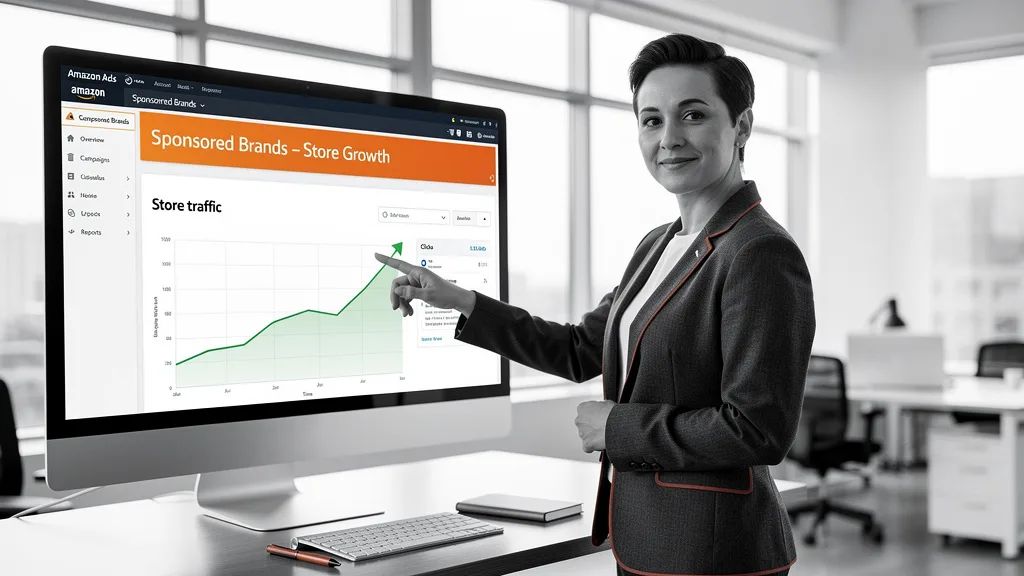
When you create a Sponsored Brands campaign, you can customize the headline, logo, and featured products. Use this opportunity to craft a message that aligns with your brand's story and the content of your store. Analyzing the difference between various ad types, like in an Amazon Sponsored Brands vs Products comparison, shows that store-linked ads provide a richer customer journey and often lead to a higher return on investment.
Using Sponsored Display for Retargeting and Awareness
Sponsored Display ads offer powerful targeting capabilities, including the ability to retarget shoppers who have previously viewed your products but did not make a purchase. You can create campaigns that show these ads to potential customers both on and off Amazon, reminding them of your brand and encouraging them to come back. Directing this retargeting traffic to a specific collection or your homepage within your Brand Store can be a highly effective strategy to close the sale.
Beyond retargeting, Sponsored Display can also be used for awareness campaigns, targeting shoppers based on interests and shopping behaviors. This helps introduce your brand to new, relevant audiences. By sending this new traffic to your Brand Store, you give them a comprehensive introduction to your brand and entire product line, which is far more impactful than sending them to a single product page. Following Amazon Brand Store Best Practices ensures this traffic lands on a page optimized for conversion.
How Brand Stores Support Enterprise Brand Performance
For larger, enterprise-level brands, the Amazon Brand Store transitions from a simple marketing tool to a critical component of your data and performance strategy. It provides a wealth of analytics that are not available at the individual product level. This data allows brand teams to make informed decisions, optimize marketing spend, and understand customer behavior on a much deeper level, directly supporting sustainable growth and market share expansion.
Analyzing Traffic Sources and Visitor Engagement
The Amazon Store Insights dashboard is a treasure trove of data. It provides detailed metrics on your store's performance, including daily visitors, page views, and sales generated from the store. Crucially, it breaks down the sources of your traffic, showing you which campaigns and channels are most effective at driving visitors. You can see which pages within your store are most popular and which have the highest sales.
By regularly analyzing this data, your team can understand the customer journey through your store. You can identify drop-off points and opportunities for improvement. For instance, if a page has high traffic but low sales, it may signal an issue with the content or product selection on that page. This analytical approach, a key part of any brand audit, turns your store into a living laboratory for optimization.
A/B Testing Page Layouts and Creative Content
One of the most powerful features of Amazon Stores is the ability to conduct A/B tests. This allows you to create two different versions of a store page (for example, with different headline images or product layouts) and show them to different segments of your audience. Amazon will automatically track the performance of each version, allowing you to definitively determine which one leads to better engagement and higher sales.
Enterprise brand teams should use A/B testing systematically to optimize every key aspect of their store. You can test different brand messaging, video content, product assortments, and page structures. This data-driven approach removes guesswork from the design process and ensures that your store is continuously evolving to meet customer preferences, leading to incremental but significant gains in performance over time.
Amazon Brand Store Best Practices Checklist for 2026
To ensure your Amazon Brand Store is optimized for maximum impact in 2026, follow this checklist. It covers the essential components of design, content, and strategy that separate high-performing stores from the rest. Use this as a guide during creation and as an audit tool for your existing store.
| Component | Best Practice for 2026 | Why It Matters |
|---|---|---|
| Homepage Banner | Use a high-resolution video or a dynamic image with a clear call-to-action. | Immediately captures attention and communicates your primary brand message or promotion. |
| Navigation Menu | Keep it simple with 3-5 main categories. Use clear, customer-centric language. | Ensures an intuitive, frustration-free shopping experience, especially on mobile. |
| Product Grids | Mix with lifestyle images and shoppable posts; avoid endless, uniform grids. | Breaks visual monotony, tells a story, and increases engagement and conversion. |
| Video Content | Embed short (15-45 second), mobile-optimized videos demonstrating product use or brand story. | Dramatically increases session time and provides a rich, engaging way to convey information. |
| About Us Page | Tell your authentic brand story with compelling copy and images of your team or process. | Builds trust and an emotional connection that fosters long-term customer loyalty. |
| Mobile Preview | Check every page and module on the mobile preview tool before publishing any changes. | Catches formatting errors and ensures a seamless experience for the majority of shoppers. |
In addition to the table above, here are some quick-fire tips for elevating your store:
- Update Seasonally: Refresh your homepage banner and featured collections to align with seasons, holidays, or sales events like Prime Day.
- Use All Available Modules: Experiment with all the different content tiles Amazon offers, such as the shoppable image, video, and background video tiles.
- Optimize Image File Names and Alt-Text: While not customer-facing, using descriptive file names and alt-text can contribute to better indexing by search engines.
- Create a Deals Page: Have a dedicated page for all your promotions and coupons. You can drive traffic directly here during sales events.
- Link from A+ Content: Use the 'Brand Story' module in your A+ Content to link directly to your Brand Store, creating a cohesive journey from the product page to your brand world.
Key Takeaways
As you refine your strategy for 2026, keep these essential takeaways in mind to build a successful Amazon Brand Store. Mastering these concepts will position your brand for scalable, profitable growth on the platform.
- Your Brand Store is Your Digital Flagship: Treat it as the central hub of your brand's presence on Amazon, not just an afterthought to your product listings. It's your best tool for telling your brand story and differentiating yourself.
- Mobile-First Design is Non-Negotiable: The majority of your customers will visit your store on a smartphone. Every design and content decision must prioritize the mobile experience to avoid losing sales.
- Data-Driven Optimization is Key: Regularly use the Store Insights dashboard and A/B testing features to understand customer behavior and continuously improve your store's performance. Don't rely on guesswork.
- Integrate Ads for Maximum Reach: A great store needs traffic. Use Sponsored Brands and Sponsored Display ads strategically to drive qualified, high-intent shoppers directly to your optimized store pages.
- Content and Curation Drive Sales: Go beyond simple product grids. Use themed collections, shoppable lifestyle images, and video to create an engaging, immersive shopping experience that increases average order value.
Frequently Asked Questions
How much does it cost to create an Amazon Brand Store?
Creating and publishing an Amazon Brand Store is free for all sellers who are enrolled in Amazon's Brand Registry program. There are no fees from Amazon for hosting the store or using the builder tool. This makes it one of the most cost-effective marketing tools available on the platform.
However, it's important to budget for the associated content creation costs. This includes professional product photography, lifestyle images, video production, and potentially copywriting or graphic design services. The investment in high-quality creative assets is what truly makes a store stand out and convert effectively, so while the tool is free, creating a top-tier store requires a budget.
Do I need to be brand registered to have an Amazon Store?
Yes, being enrolled in the Amazon Brand Registry is a mandatory prerequisite for creating an Amazon Brand Store. Brand Registry is a program that helps you protect your intellectual property and provides access to a suite of powerful brand-building tools, including Brand Stores, A+ Content, and Sponsored Brands.
To enroll in Brand Registry, you must have a registered and active text or image-based trademark in the country where you wish to enroll. Once your brand is successfully registered, the option to create a store will become available in your Seller Central or Advertising Console account. This requirement ensures that only legitimate brand owners can create these custom shopping experiences.
How long does it take for an Amazon Store to be approved?
After you submit your Brand Store for publication, it goes through a moderation process by Amazon to ensure it complies with their guidelines. The approval process typically takes between 24 and 72 hours. However, this timeframe can vary depending on the time of year, with longer waits possible during peak periods like Q4.
To ensure a smooth approval process, make sure your store does not contain any policy violations. Common reasons for rejection include making unsubstantiated claims, using customer reviews in your content, referencing external websites, or having grammatical errors and typos. It's always best to review Amazon's creative acceptance policies before you submit.
Can I update my Amazon Brand Store after it is published?
Absolutely. You can edit and update your Amazon Brand Store at any time after it has been published. This flexibility is one of the store's greatest strengths, allowing you to keep your content fresh, launch new products, and run timely promotions. You can change everything from the homepage banner to product collections and navigation.
Any changes you make and submit will go through the same moderation and approval process as your initial store submission. This means updates are not instantaneous and will typically take 24-72 hours to go live. This is important to keep in mind when planning time-sensitive campaigns or product launches.
What is the difference between A+ Content and a Brand Store?
A+ Content and a Brand Store are both powerful brand-building tools, but they serve different purposes. A+ Content (also known as Enhanced Brand Content) appears on an individual product detail page, replacing the standard text description. Its purpose is to enhance that specific product's listing with rich media, detailed feature explanations, and comparison charts to increase its conversion rate.
A Brand Store, on the other hand, is a multi-page, standalone destination for your entire brand. It's like your own mini-website within Amazon. While A+ Content focuses on converting a shopper for a single product, a Brand Store is designed to introduce shoppers to your full brand story, showcase your entire product catalog, and drive discovery and cross-selling of multiple products.
Conclusion
In 2026, excelling on Amazon requires more than just a great product; it demands a great brand experience. Implementing these web marketing design best practices for Amazon Brands will transform your Brand Store from a simple page into a powerful engine for growth. By focusing on a compelling brand story, intuitive mobile-first design, high-quality visuals, and strategic traffic generation, you create a defensible asset that elevates your brand above the competition. The next step is to move from theory to action and start building the immersive shopping experience your customers deserve.
Ready to transform your Amazon presence and scale your brand to the next level? Our team specializes in creating high-converting Brand Stores and profit-focused PPC campaigns for 7 and 8-figure sellers. Get a professional analysis of your brand's current storefront and listing optimization. Request your Free Audit today.