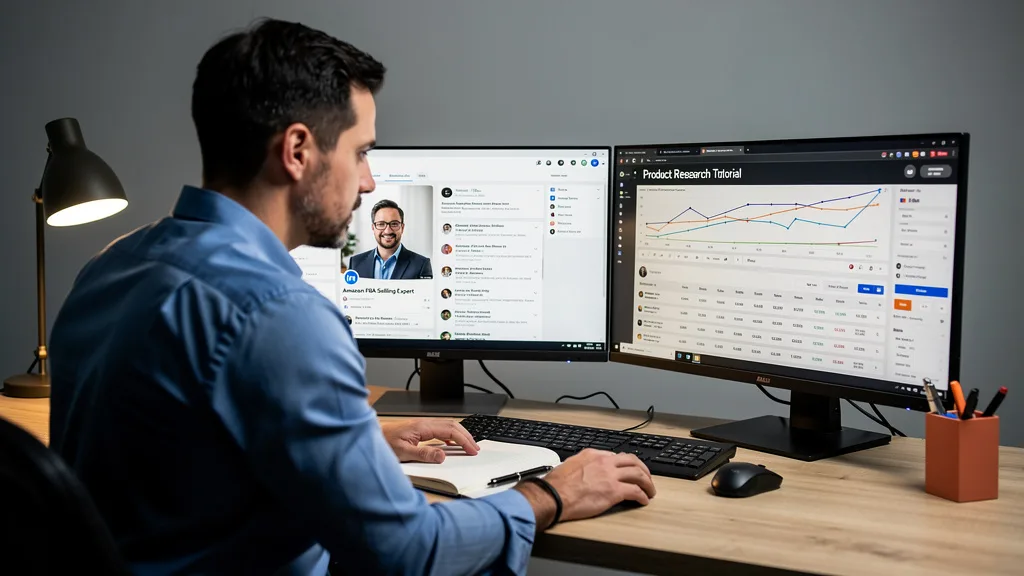
Where should you invest your time to master the world of Amazon FBA and build a successful online store? As the e-commerce landscape evolves, choosing the right educational platform is more critical than ever. The debate over LinkedIn vs YouTube for learning Amazon selling in 2026 comes down to a fundamental choice: do you need high-level professional strategy or granular, step-by-step tutorials?
For aspiring Amazon sellers in 2026, the best platform depends on your learning goals. YouTube excels at providing free, visual, step-by-step tutorials on specific tasks like product research or setting up a listing. In contrast, LinkedIn offers unparalleled access to professional networks, expert mentorship, and high-level business growth strategies directly from seasoned e-commerce professionals and agencies. Ultimately, a balanced approach using both platforms is the most effective path to success.
What Is LinkedIn?
LinkedIn is the world's largest professional networking platform, designed to connect professionals, share industry insights, and facilitate career development. Unlike social media sites focused on personal updates, LinkedIn's ecosystem is built around professional identity, industry news, and business-to-business relationships. For an aspiring Amazon seller, it's not just a place to post a resume, it's a dynamic resource for connecting with mentors, partners, and service providers in the e-commerce space.
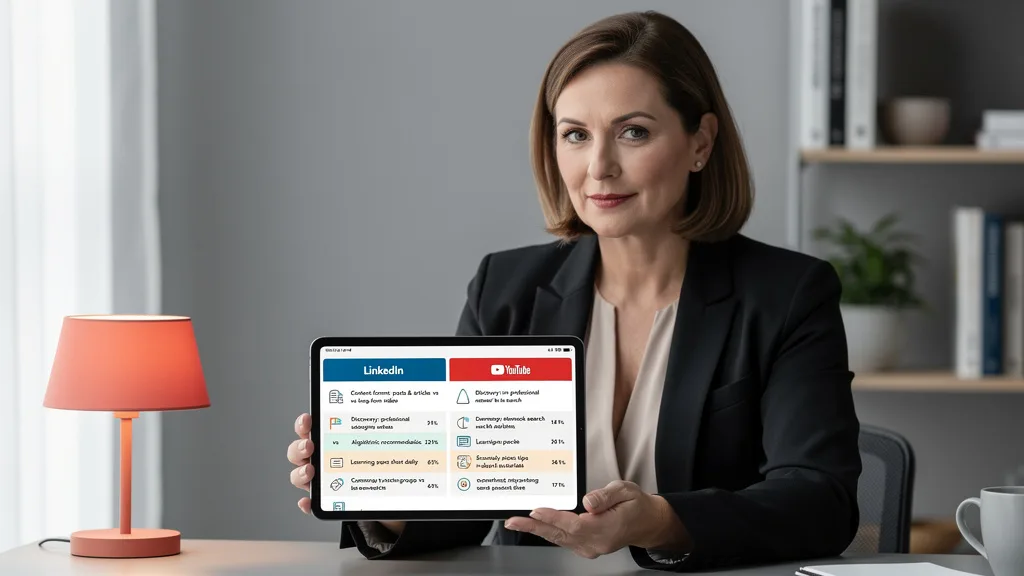
In the context of learning to sell on Amazon, LinkedIn functions as a hub for curated expertise. You can follow top Amazon consultants, join groups dedicated to FBA (Fulfilled by Amazon) sellers, and consume content that focuses on high-level business growth strategies. This contrasts sharply with YouTube, which is primarily a video-sharing platform where content can range from expert tutorials to amateur advice. LinkedIn provides a more vetted, professional environment to learn the strategic side of building an amazon store.
Why LinkedIn Matters in 2026
In 2026, succeeding on Amazon requires more than just knowing the tactical steps, it demands sharp business acumen and a strong professional network. This is where LinkedIn provides a distinct advantage over YouTube. While YouTube is excellent for learning a specific task, like how to create a shipping plan, LinkedIn is where you learn why one strategy is better than another from people who have built seven-figure brands. It allows you to build relationships with other sellers, logistics experts, and marketing consultants who share timely, relevant insights you won't find in a pre-recorded video course.

The platform's value also lies in its credibility. Content on LinkedIn is tied to a person's professional reputation, which often leads to higher-quality, more reliable information compared to the often anonymous or unvetted content on YouTube. You can directly assess an expert's background, see their connections, and read recommendations from others. This ability to vet sources is crucial when you are building a business and need trusted advice on everything from Amazon PPC management to navigating supply chain challenges.
To clarify the choice, consider this comparison:
| Feature | YouTube | |
|---|---|---|
| Content Focus | Professional networking, B2B insights, high-level strategy, case studies | Visual tutorials, product reviews, step-by-step guides, personal vlogs |
| Learning Style | Reading articles, networking, direct messaging, structured courses (LinkedIn Learning) | Watching videos, following playlists, passive consumption |
| Expertise Vetting | Easy to verify through professional profiles, connections, and work history | Difficult to verify; relies on subscriber counts, views, and comments |
| Networking | Primary function; direct access to mentors, peers, and industry leaders | Limited to comment sections; primarily one-way communication |
| Best For | Understanding market trends, building a professional network, finding mentors | Learning specific, tactical tasks (e.g., listing setup, PPC campaign creation) |
How to Get Started with LinkedIn
To leverage LinkedIn for your Amazon selling journey, you must approach it with a clear strategy. Start by creating or optimizing your personal profile to reflect your interest and goals in e-commerce. Instead of a generic title, use a headline like "Aspiring Amazon FBA Entrepreneur | Seeking to Build a Brand in the Home Goods Niche." This immediately signals your intent to others in the industry and makes your connection requests more relevant. Fill out your summary section with your mission, what you're hoping to learn, and the types of connections you want to make.

Next, actively seek out and follow key figures and companies in the Amazon ecosystem. Look for well-known consultants, successful brand owners like the 'Amazon Whisperer' Ryan Mulvany, and logistics company pages. Engage with their relevant posts by leaving thoughtful comments or questions. This is far more effective than just passively scrolling. Also, join groups dedicated to Amazon FBA, private label selling, or e-commerce growth. These groups are invaluable for asking questions and learning from the collective experience of thousands of sellers.
Best Practices for LinkedIn
Once your profile is set up, adopting best practices will separate you from the noise and help you genuinely connect with valuable contacts. It's not about the quantity of connections, but the quality. Focus on building real relationships rather than just collecting contacts. When you send a connection request, always include a personalized note explaining why you want to connect. Mention a post they wrote or a mutual interest in the Amazon marketplace.
"In 2026, the most successful Amazon sellers won't just be masters of tactics learned from videos; they'll be strategic networkers who use platforms like LinkedIn to build partnerships and gain insights that give them a competitive edge. The combination of tactical knowledge from YouTube and strategic connections from LinkedIn is the winning formula."
To maximize your learning, follow these best practices:
- Engage Authentically: Don't just "like" posts. Leave insightful comments that add to the conversation. Ask questions that show you've read the content and are thinking critically about it.
- Share Your Journey: Post updates about your learning process, challenges, and small wins. This makes you more relatable and attracts mentors who are willing to help.
- Utilize LinkedIn Learning: Explore courses on digital marketing, supply chain management, and business finance. While not always Amazon-specific, these foundational skills are crucial for long-term amazon business growth.
- Follow Relevant Hashtags: Follow tags like #AmazonFBA, #ecommercetips, and #privatelabel to discover new content and experts outside your immediate network.
- Connect with Peers: Don't just aim for top-level experts. Connecting with other sellers who are at a similar stage can create a valuable support system for your side business.
Common Mistakes to Avoid
While LinkedIn is a powerful tool, a few common mistakes can hinder your progress and even damage your professional reputation. The most frequent error is treating LinkedIn like other social media platforms. Posting personal updates, political rants, or memes is inappropriate and will alienate the professional connections you're trying to make. Keep your activity focused on business, e-commerce, and professional development.
Another major mistake is sending generic, automated connection requests to hundreds of people. This is seen as spam and will likely get you ignored or blocked. It's far better to send five personalized requests a day than 100 generic ones. Similarly, avoid a hard sell in your first interaction. Don't connect with an expert and immediately ask them to review your product or become your free mentor. Build a relationship first by engaging with their content over time. Finally, don't neglect your profile, an incomplete or outdated profile makes you look unprofessional and less serious about your Amazon business goals. Knowing how to find low-competition Amazon niches is important, but so is presenting yourself professionally.
Key Takeaways
Choosing between LinkedIn and YouTube for learning how to sell on Amazon isn't an either/or decision. The smartest approach is to use both platforms strategically for what they do best. Here are the key takeaways to guide your educational journey in 2026:
- Use YouTube for Tactics: When you need to learn a specific, hands-on task like how to do product research, create a listing, or set up your first PPC campaign, YouTube's visual, step-by-step tutorials are invaluable. Look for a good Beginners Complete Amazon FBA Tutorial to get started.
- Use LinkedIn for Strategy and Networking: For high-level business growth strategies, market trend analysis, and building a professional network, LinkedIn is superior. Use it to connect with mentors, peers, and industry leaders.
- Vet Your Sources: On both platforms, be critical of the information you consume. On LinkedIn, check a person's professional history. On YouTube, be wary of gurus promising a 'turn key marketplace' with little effort.
- Combine Learning with Doing: No amount of learning can replace practical experience. Apply what you learn immediately. Start your product research, create a draft listing, and build your brand.
- Official Resources are Key: Always supplement your learning with Amazon's own Seller University. It is the official and most accurate source of information for policies and procedures.
FAQs
Is it worth selling on Amazon in 2026?
Yes, selling on Amazon is still very much worth it in 2026, but the approach has matured. The days of easily finding a cheap product, listing it, and making a huge profit are largely over. Success now requires a more strategic approach, focusing on brand building, unique value propositions, and smart marketing. The competition is higher, but so are the tools and data available to sellers.
The key is to treat it like a real business, not a get-rich-quick scheme. This means thorough product research to find a viable niche, investing in high-quality branding and photography, and understanding the costs involved, including marketing and Amazon's fees. Many sellers wonder is it too late to start, but with the right strategy and dedication, there is still immense opportunity for growth and a significant potential income.
What is the best Amazon FBA course?
There is no single "best" Amazon FBA course, as the ideal choice depends on your budget, learning style, and current knowledge level. However, the most universally recommended starting point is Amazon's own Seller University. It's free, comprehensive, and comes directly from the source, ensuring all information on policies and procedures is accurate. product research.
Beyond Seller University, many reputable third-party courses are taught by experienced sellers. When evaluating them, look for recent testimonials, transparent pricing, and a focus on sustainable business strategies rather than 'secret hacks'. Often, the best education comes from a combination of a structured course for fundamentals and ongoing learning from mentors and communities on platforms like LinkedIn.
How difficult is it to sell on Amazon FBA?
Selling on Amazon FBA is straightforward in concept but challenging in execution. The difficulty lies not in the technical steps, which are well-documented, but in the strategic decisions you must make. The most difficult parts for beginners are typically product selection, understanding profitability after all fees, and effective marketing (Amazon PPC).
It requires significant upfront research, capital investment, and ongoing effort to manage inventory, customer service, and advertising. While the FBA model, where Amazon handles storage and shipping, simplifies logistics, you are still running a complex business. It's not a passive income stream initially, it's an active business that demands attention and a willingness to learn and adapt.
Is it true that 80% of B2B leads originate from LinkedIn?
The statistic that 80% of B2B leads come from LinkedIn has been widely cited for years, often originating from LinkedIn's own marketing materials and internal data. While the exact percentage can fluctuate and is debated by different studies, the underlying truth remains: LinkedIn is overwhelmingly the most effective social platform for B2B lead generation and professional networking.
For an Amazon seller, this is relevant because your business has B2B components. You need to connect with suppliers, logistics partners, marketing agencies, and potential wholesale buyers. LinkedIn is the premier platform for making these professional connections, far surpassing any other social network in a business context.
What is Seller University?
Seller University is Amazon's official free educational platform designed to help individuals and businesses learn how to sell on Amazon. It consists of a vast library of videos, articles, and webinars covering every conceivable topic related to being an Amazon seller. This includes getting started, listing products, understanding fulfillment options like FBM or FBA (Fulfilled by Merchant or Fulfilled by Amazon), and mastering advertising tools.
It is the single most important resource for any new or existing seller. Because the information comes directly from Amazon, it is always the most accurate and up-to-date resource regarding Amazon's ever-changing policies and tools. Before paying for any external course, every seller should spend significant time exploring the content within Seller University.
Conclusion
Ultimately, the question isn't about choosing LinkedIn or YouTube, but about how to integrate both into a cohesive learning strategy for your Amazon business in 2026. Use YouTube for its vast library of free, tactical tutorials to master the 'how' of selling. Simultaneously, leverage LinkedIn to build your professional network, find mentors, and absorb the high-level business strategy that defines the 'why'. This dual-platform approach provides both the practical skills and the strategic wisdom needed to navigate the competitive Amazon marketplace and achieve sustainable growth.
By applying the right information from the right platform at the right time, you can build a robust foundation for your e-commerce venture. If your listings are already live but not performing as expected, a professional review can uncover hidden opportunities. An expert audit can analyze your SEO, conversion rates, and competitive positioning to provide actionable steps for improvement.
Ready to see how your Amazon listings stack up against the competition? Get a comprehensive analysis to identify key areas for optimization and boost your sales. Get your Free Audit today.