Table of Contents 8 sections
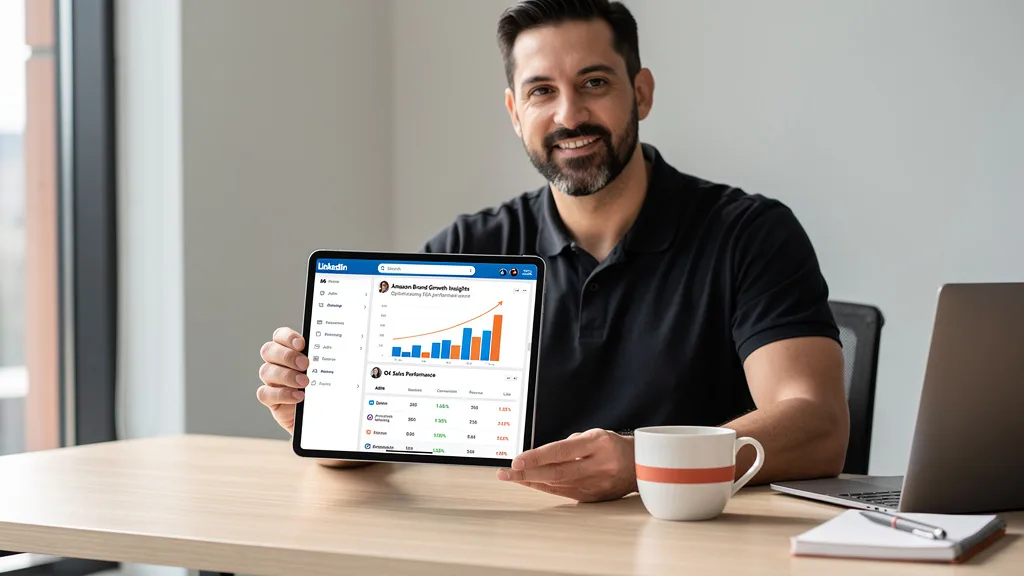
Are you leveraging every tool at your disposal to scale your Amazon brand from seven to eight figures? While you focus on PPC and operations, a powerful, real-time educational resource is often overlooked. The right LinkedIn content can provide the advanced insights needed to gain a competitive edge.
The most effective LinkedIn posts that teach Amazon selling in 2026 come from seasoned experts who share actionable data, case studies, and immediate updates on Amazon's ecosystem. By following these specialists, you can access a stream of high-level strategies for listing optimization, PPC management, and operational efficiency that go far beyond generic blog posts or outdated courses, helping you drive profit-focused growth.
Why LinkedIn Is a Goldmine for Amazon Sellers in 2026
For established Amazon sellers, static courses and generic advice often fail to address the dynamic challenges of the marketplace. LinkedIn, however, has emerged as an indispensable resource for real-time, high-level strategy. Unlike pre-packaged courses, the platform offers a direct line to the thoughts and findings of top consultants and eight-figure brand owners who are actively navigating the platform's latest changes. This is where conversations about new algorithm tweaks, beta advertising features, and emerging market trends happen first.
The true value for a scaling brand is the context and community. On LinkedIn, you not only see an expert's analysis but also the subsequent discussion in the comments from other experienced sellers. This peer-review process helps validate or challenge new ideas, providing a more nuanced understanding than a one-way lecture. It's a living repository of advanced tactics, perfect for business owners who need to move beyond foundational knowledge and focus on strategies that directly impact profitability and scale.
Key Types of Posts That Teach Amazon Selling
Not all content is created equal. To effectively use LinkedIn, you must learn to identify the types of posts that deliver tangible value. Focusing on specific formats will help you filter out the noise and concentrate on insights that can be translated into actionable tasks for your Amazon business. These posts are typically rich in data, experience, and forward-looking analysis.
Actionable Tips for Listing Optimization and PPC
The most valuable posts are those that offer specific, testable advice for your product listings and advertising campaigns. Look for experts who share before-and-after results from A/B testing a main image, a new headline structure, or a different A+ Content layout. These posts move beyond theory and provide concrete evidence of what drives conversion.

In the realm of PPC, top-tier consultants often post about new targeting methods, bid management strategies, or ways to structure campaigns for better profitability. For example, a post might detail a method for reducing your Amazon Advertising Cost of Sale (ACoS) by isolating specific keyword match types. These are the nuggets of information that can directly improve your bottom line and are a key part of any successful seller's content diet.
Updates on Amazon's Latest Seller Changes
The Amazon ecosystem is in a constant state of flux, with policy updates, fee adjustments, and new program launches happening frequently. Following reputable experts on LinkedIn is one of the fastest ways to learn about and understand the implications of these developments. These specialists often dissect official announcements, translating corporate jargon into practical advice for sellers.
For instance, when Amazon announces changes to FBA fees, an expert might post a detailed breakdown of how it will impact profitability for specific categories and product sizes. They provide the 'so what' that Amazon's own announcements often lack. Keeping up with these posts ensures you can adapt your strategy proactively, whether it involves adjusting your pricing or rethinking your fulfillment method. You can find more details in our guide to understanding Amazon FBA fees.
Analyses of Common FBA and FBM Mistakes
Learning from the mistakes of others is far less expensive than making them yourself. Many experienced sellers and consultants share cautionary tales and analyses of common errors they see brands make. These posts can cover everything from inventory management missteps and FBA shipment errors to costly compliance violations that can put an account at risk.
These analyses are particularly useful for scaling businesses, as the operational complexities grow. A post detailing how a simple labeling error led to thousands in lost inventory or how misinterpreting a policy resulted in a listing suspension provides an invaluable lesson. Pay close attention to these posts to reinforce best practices within your own operations and avoid unforced errors that hinder growth. bid management strategies.
In-Depth Case Studies and Success Stories
Case studies are where strategy and results converge. The most insightful ones go beyond vanity metrics and detail the specific actions taken to achieve a significant outcome, such as scaling a brand from $1 million to $10 million in revenue. These posts often provide a step-by-step account of the challenges faced, the strategies deployed, and the lessons learned along the way.
These narratives are more than just inspirational; they are strategic blueprints. A detailed case study on a successful product launch might reveal a unique approach to keyword research or a clever advertising tactic you hadn't considered. For a 7-figure seller aiming for the next level, these stories provide both validation that it can be done and a potential roadmap to replicate that success.
Top Amazon Experts to Follow on LinkedIn
Curating your LinkedIn feed with the right voices is the most critical step. Following genuine experts who consistently share high-value content will transform your feed from a social network into a powerful business intelligence tool. Below are a few of the most respected figures in the Amazon space, known for their data-driven and practical advice.

| Expert | Area of Expertise | Why You Should Follow Them |
|---|---|---|
| Steven Pope (My Amazon Guy) | Full-Service Agency Insights, SEO, PPC | Shares a high volume of data-backed tips on a wide range of topics, from troubleshooting Seller Central issues to advanced advertising tactics. |
| Preet Matharoo | Brand Building, Product Launch | Provides clear, actionable frameworks for launching and scaling private label brands, focusing on foundational business strategies. |
| Your Niche Specialist | Category-Specific Knowledge | Experts in your specific niche (e.g., supplements, apparel) offer tailored advice that generic gurus cannot. |
My Amazon Guy for Data-Driven Strategies
Steven Pope, the founder of My Amazon Guy, is known for his prolific and data-centric content. His agency manages hundreds of brands, giving him a broad perspective on what's working on Amazon right now. His posts often include screenshots and short video tutorials that walk through specific processes in Seller Central, making his advice incredibly practical and easy to implement.
He covers a vast array of topics, including Amazon SEO, PPC optimization, brand registry issues, and operational troubleshooting. If you are facing a specific technical problem or want to see data on how a new feature is performing across multiple accounts, his feed is an essential resource. The sheer volume and specificity of his content make him a must-follow for any serious seller.
Preet Matharoo for Proven Business Launch Tactics
While many experts focus on optimizing existing accounts, Preet Matharoo excels at teaching the fundamentals of building a successful brand from the ground up. His content is geared towards creating sustainable, profitable businesses rather than just chasing short-term sales spikes. He breaks down complex topics like product selection, sourcing, and launch strategy into digestible frameworks.
For established sellers, Preet's content serves as a valuable refresher on first principles and can spark ideas for new product lines or market entry strategies. His focus on building a strong brand foundation is a crucial perspective for anyone looking to achieve long-term, eight-figure success beyond just mastering Amazon's tools. PPC management.
How to Find Other Niche Specialists
Beyond the well-known generalists, there is immense value in following experts who specialize in your specific product category. A consultant who only works with apparel brands will have far more relevant insights on sizing, variations, and seasonality than a general expert. To find them, use specific hashtags like #AmazonApparel or #AmazonSupplements in the LinkedIn search bar.
"The best advice often comes from those who live and breathe your specific niche. General Amazon strategies are a great start, but category-specific tactics are what create market leaders. Use LinkedIn's search to find experts who have already solved the unique problems your category faces."
Another effective method is to observe who the major players like Steven Pope and Preet Matharoo interact with. Check the comments on their posts for insightful contributions from other professionals, and review their profiles. You can also join professional communities, as discussed in our guide to the best LinkedIn groups for Amazon sellers, to connect with these specialists directly.
How to Organize Your Amazon Seller Task Learning
Consuming content is passive; true growth comes from implementation. To get the most out of the insights you gather on LinkedIn, you need a structured system to capture, prioritize, and act on them. Without a process, valuable ideas will get lost in the feed, and your learning efforts won't translate into tangible business results. This system turns your social media time into a productive part of your workweek.
Creating a Daily and Weekly Learning Cadence
Consistency is key. Dedicate a small, manageable amount of time each day to scan your curated LinkedIn feed. A focused 15-minute block in the morning is often enough to catch major updates and identify valuable posts. Use LinkedIn's "Save" feature for any post that requires a deeper dive or seems actionable.

Then, schedule a longer, 60-minute block once a week to review your saved posts. This is your dedicated implementation session. During this time, you'll analyze the saved insights, decide which are relevant to your business, and create a plan to test or implement them. This two-part cadence ensures you stay informed without letting content consumption take over your schedule.
Turning LinkedIn Insights into Actionable Tasks
An idea is only useful once it becomes a task. For every saved post you review, follow a simple process to turn it into a concrete action. First, ask if the insight is directly applicable to your brand and if the potential impact justifies the effort. If the answer is yes, create a specific task in your project management system, whether it's Asana, Trello, or a simple spreadsheet.
A well-defined task should be clear and measurable. Instead of a vague task like "Improve listing," a better task would be "A/B test new main image on ASIN XYZ for 2 weeks, measuring for a 10% lift in session-to-conversion rate." Here is a simple framework:
- Capture: Save the LinkedIn post that contains the insight.
- Evaluate: During your weekly review, assess its relevance and potential impact.
- Define: Create a specific, measurable, actionable, relevant, and time-bound (SMART) task in your project management tool.
- Assign: Assign the task to yourself or a team member with a clear deadline.
- Measure: Track the results of the action to determine its effectiveness.
Separating Generic Advice From Real Help on LinkedIn
The open nature of LinkedIn means that for every true expert, there are dozens of self-proclaimed gurus sharing generic or even misleading advice. As a sophisticated seller, it's crucial to develop a filter to distinguish valuable content from motivational fluff. Real, actionable help has distinct characteristics that set it apart.
First, look for specificity and data. Genuine experts back up their claims with numbers, screenshots, or detailed methodologies. A post that says "Optimize your titles for SEO" is generic advice. A post that says "We replaced a brand-heavy title with a keyword-first title on 10 SKUs and saw a 15% average increase in organic rank for our main keyword within 3 weeks" is real help. Second, check the source. Does the person have a verifiable track record of success, either as a seller or a consultant for reputable brands? Finally, observe the quality of their network and the discussions in their comments. Real experts are challenged and respected by other real experts, creating a discourse that adds value and context.
Key Takeaways
To effectively leverage LinkedIn for your Amazon business in 2026, it's essential to adopt a strategic approach. Here are the most important takeaways to transform your feed into a source of profitable growth:
- LinkedIn is a real-time intelligence tool: It provides immediate access to expert analysis on Amazon's latest changes, surpassing the timeliness of formal courses.
- Focus on actionable content: Prioritize posts that offer specific tips on PPC and listings, analyses of costly mistakes, and in-depth case studies with proven results.
- Curate your feed with proven experts: Follow data-driven specialists like Steven Pope and brand-building strategists like Preet Matharoo to ensure a high-quality information stream.
- Systematize your learning: Implement a daily and weekly cadence for consuming and acting on insights. Use a project management tool to turn ideas into measurable tasks.
- Be a critical consumer: Differentiate genuine, data-backed advice from generic fluff by evaluating the specificity, source, and community engagement of each post.
Frequently Asked Questions
How do I verify the advice from LinkedIn posts?
Verify advice by cross-referencing it with other trusted experts and checking the comments for discussion among knowledgeable peers. Look for data or case studies within the post that support the claims. The ultimate verification is to test the strategy on a small scale within your own account, such as running an A/B test, before implementing it widely. Always prioritize advice that aligns with Amazon's Terms of Service.
Are there specific LinkedIn groups for Amazon sellers?
Yes, there are many LinkedIn groups dedicated to Amazon sellers. Groups like "Amazon FBA Sellers & eCommerce Entrepreneurs" and others focused on specific strategies like PPC or international expansion can be valuable. These communities offer a space to ask questions, share experiences, and network with other sellers. However, always vet the information shared in groups as carefully as you would individual posts.
What is the main benefit of LinkedIn over formal courses?
The primary benefit is timeliness. The Amazon marketplace changes daily, and LinkedIn provides real-time insights and discussions about these changes as they happen. Formal courses can become outdated quickly. LinkedIn also offers direct access to interact with top-level experts, ask questions, and see how strategies are debated and refined in a live environment, which a static course cannot provide.
How can I connect with these Amazon experts on LinkedIn?
Start by following their profiles and engaging thoughtfully with their content. Leave insightful comments or ask relevant questions on their posts. This demonstrates your expertise and can lead to a connection. When you do send a connection request, personalize the message, mentioning a specific post you found valuable. Avoid generic requests or immediate sales pitches.
Should I pay for LinkedIn Premium to learn about selling on Amazon?
For the purpose of learning from posts, LinkedIn Premium is not necessary. The free version provides full access to the content feed and the ability to follow any user. Premium features like InMail and advanced search filters are more beneficial if your goal is direct outreach for networking, hiring, or lead generation rather than passive learning from experts' content.
Conclusion
Ultimately, leveraging LinkedIn posts that teach Amazon selling in 2026 is about transforming a social platform into a strategic asset for your business. By curating a feed of genuine experts, focusing on data-driven content, and implementing a system to turn insights into action, you can gain a significant competitive advantage. This approach ensures you are always equipped with the most current and effective strategies to drive profit-focused growth and scale your brand to the next level.
If you're ready to move beyond generic advice and implement strategies tailored to scaling your 7-figure brand, our team can help. We specialize in profit-first PPC and listing optimization for serious Amazon sellers. To see where your biggest opportunities for growth are, start with a complimentary analysis of your current listings.
Take the first step and request your Free Audit today.