
Are you prepared to capture your share of the massive sales volume during Amazon's biggest shopping event of the year? A successful approach requires more than just increasing bids for two days. A winning Amazon Prime Day Advertising Strategy for 2026 is a comprehensive, multi-week campaign designed to build momentum, maximize visibility during the event, and continue driving growth long after the deals have ended. This guide breaks down the exact four-phase process we use to help 7-figure brands scale to 8-figures during high-traffic periods.
Your strategy for Prime Day 2026 must be a meticulously planned, multi-phase operation. It begins weeks in advance with brand awareness and listing optimization, ramps up with strategic bidding in the lead-in period, executes with aggressive, real-time adjustments during the event, and finishes with post-event analysis and retargeting to maximize long-term value. This holistic approach ensures you aren't just competing on price but are building a sustainable growth engine.
Understanding the 2026 Prime Day Landscape
As we look toward Prime Day 2026, the competitive environment on Amazon is more intense than ever. Shopper expectations are high, and advertising costs are projected to rise significantly during the event. Brands that treat Prime Day as an isolated, 48-hour sales rush will be left behind. Success hinges on understanding the evolving dynamics and preparing for a marathon, not a sprint. This means acknowledging that traffic begins to build well before the official start date as customers begin their research.
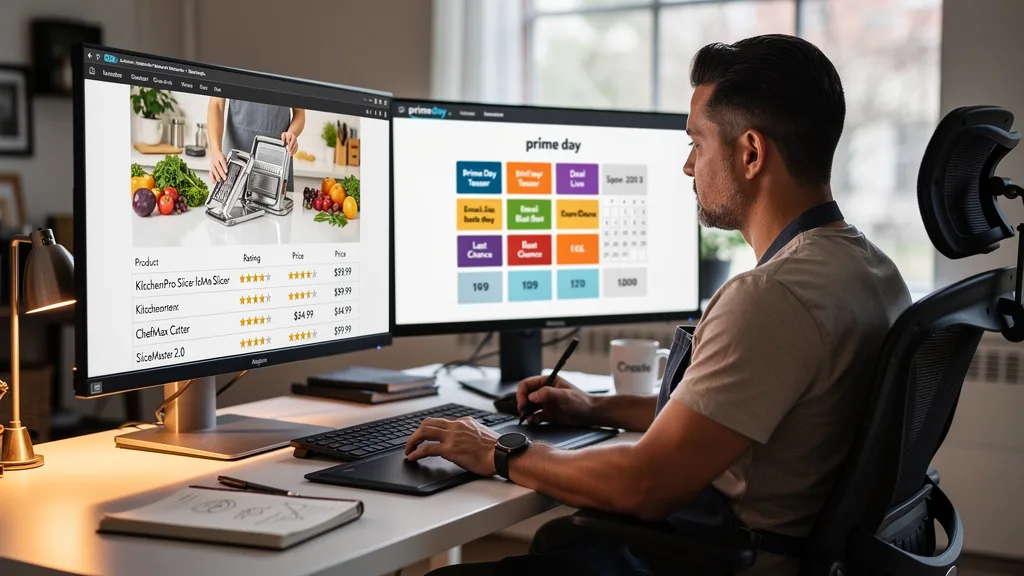
The modern Amazon shopper is savvy. They create wish lists, compare products, and look for early deals. Your advertising must align with this behavior. The most successful brands will engage customers across the entire shopping journey, from initial awareness weeks before the event to post-purchase follow-ups. This comprehensive view is essential for maximizing your return on ad spend (ROAS) and achieving your growth targets.
What to Expect from Amazon Prime Day in 2026
In 2026, expect Amazon to push the event harder than ever, leading to record-breaking traffic but also unprecedented competition. Advertising placements, especially top-of-search, will be fiercely contested, driving up cost-per-click (CPC). Brands must be prepared for higher ad spend and have a clear budget allocation strategy to remain competitive without sacrificing profitability. We anticipate a greater emphasis on video content and interactive ad formats, making creative assets a key differentiator.
Furthermore, the halo effect of Prime Day will be more pronounced. This means the increased traffic and brand visibility you generate can lead to sustained sales growth in the weeks following the event. According to insights from various brands, the lead-up period is becoming just as critical as the event itself. Many brands are planning to increase their ad spend in the weeks before Prime Day 2026 to capture early shoppers and build retargeting audiences.
Why Your Strategy Is a Multi-Week Campaign, Not a Two-Day Sprint
Viewing Prime Day as a two-day event is a critical mistake. The customer journey starts long before they click "add to cart." A multi-week campaign allows you to warm up your audience, build brand recognition, and drive consideration so that when Prime Day arrives, your brand is already top of mind. This pre-event phase is crucial for populating your retargeting pools, which are often your highest-converting audiences during the event.
The lead-up phase allows you to test and refine your messaging, keywords, and bidding strategies at a lower cost before the peak competition hits. By the time Prime Day starts, you should already have data-backed insights on what works. Similarly, the post-Prime Day phase is vital for retargeting shoppers who showed interest but didn't purchase. This follow-up can convert lingering prospects and significantly boost your overall event ROI, turning a two-day sales spike into a month of elevated performance.
Phase 1: Building Your Pre-Prime Day Foundation
The success of your Prime Day is determined weeks before it begins. Phase 1 is all about laying a solid groundwork. This involves setting unambiguous goals, ensuring your product listings are perfectly optimized for conversion, and initiating early-bird campaigns to generate awareness. Neglecting this foundation is like building a house on sand; it will crumble under the pressure of the main event. This is the time to be meticulous and strategic, focusing on retail readiness and top-of-funnel marketing.
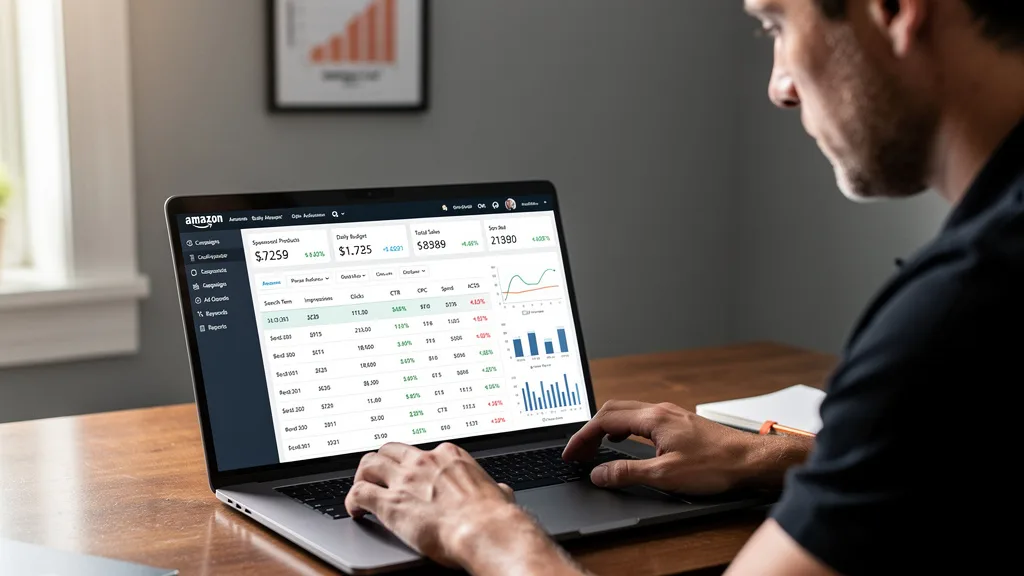
During this period, typically 3-4 weeks before Prime Day, your focus should be on preparing your assets. This includes everything from your advertising budget and campaign structure to your product detail pages and brand store. By getting these elements in order early, you avoid last-minute scrambles and can enter the more competitive lead-in phase with confidence and a clear plan of action.
Setting Clear Goals and Defining Your Ad Budget
Before you spend a single dollar, you must define what success looks like for your brand. Are you aiming for maximum sales volume, a specific ROAS, a certain number of new-to-brand customers, or increased market share for a hero product? Your goals will dictate your entire strategy, from bidding aggression to budget allocation. Be specific and set measurable KPIs (Key Performance Indicators) that you can track throughout the campaign.
Your ad budget should be a direct reflection of these goals. For Prime Day, a common rule of thumb is to plan for 2-3 times your average daily ad spend during the event itself, with additional budget allocated for the lead-up and post-event periods. A phased budget ensures you have enough fuel for awareness, conversion, and retargeting without exhausting your funds before the most critical moments. Consider a structure that allows for flexibility to shift funds to top-performing campaigns in real time.
| Campaign Phase | Timeframe (Relative to Prime Day) | Budget Allocation | Primary Goal |
|---|---|---|---|
| Phase 1: Foundation | Weeks 3-4 Before | 15% | Brand Awareness & Audience Building |
| Phase 2: Lead-In | Weeks 1-2 Before | 30% | Consideration & Traffic Driving |
| Phase 3: Execution | Prime Day Event | 40% | Conversion & Sales Velocity |
| Phase 4: Post-Event | Week After | 15% | Retargeting & Halo Effect Capture |
Optimizing Product Listings and A+ Content
Your product detail pages are the ultimate destination for your ad traffic. If they aren't optimized for conversion, you're wasting your ad spend. Before ramping up campaigns, conduct a thorough audit of your listings. Ensure your titles, bullet points, and backend keywords are fully optimized with relevant search terms. Your main images must be high-quality, compelling, and clearly showcase your product's value proposition.
A+ Content is no longer optional for serious brands. Use this space to tell your brand story, highlight key features with lifestyle imagery, and use comparison charts to upsell and cross-sell. An effective A+ Content layout can significantly increase conversion rates. For a step-by-step walkthrough, our beginner's guide to listing optimization provides a detailed checklist to ensure your pages are retail-ready for the influx of Prime Day traffic.
Building Brand Awareness with Early Campaigns
In the weeks leading up to Prime Day, your goal is to get on shoppers' radar. This is not the time for aggressive, conversion-focused campaigns. Instead, use Sponsored Brands and Sponsored Display campaigns to build top-of-funnel awareness. Target broad, category-level keywords with Sponsored Brands to introduce your brand to new audiences. Use the custom image and headline features to create a strong first impression.
Sponsored Display is another powerful tool for this phase. Use its audience targeting capabilities to reach shoppers who have viewed similar products or are browsing relevant categories. This early exposure helps populate your retargeting audiences for the more aggressive phases to come. The goal is to be a familiar name by the time shoppers are ready to make their final purchase decisions during Prime Day.
Phase 2: Ramping Up in the Prime Day Lead-In
As Prime Day approaches, typically in the 1-2 weeks prior, it's time to shift from awareness to consideration. Traffic on Amazon begins to surge as shoppers research deals and finalize their shopping lists. Your advertising strategy must adapt to this change in consumer behavior. This phase is about finalizing your promotional offers, strategically increasing your bids to gain visibility, and leveraging your brand's assets to capture this high-intent traffic.

The lead-in is a critical transition period. The data and momentum you build here will directly impact your performance during the main event. Monitor your campaigns closely, as this is when you'll start to see which keywords and targeting strategies are gaining the most traction. Be prepared to be agile and make adjustments based on performance data to optimize your spend before the peak.
Finalizing Deals, Coupons, and Promotions
Your promotional strategy is a cornerstone of your Prime Day success. Ensure all your Prime Exclusive Deals, coupons, and other promotions are submitted and approved well ahead of Amazon's deadlines. Coupons are particularly effective as they provide a visual tag (the orange badge) that makes your listing stand out in crowded search results. This can significantly improve your click-through rate (CTR).
Strategically align your advertising campaigns with your promotions. Create dedicated campaigns for products with the best deals to maximize their visibility. Your ad copy and creative should explicitly mention the promotion to create a sense of urgency and highlight the value for the customer. For example, a Sponsored Brands headline could read "Save 30% This Prime Day on Our Best-Selling Air Purifier."
Strategically Increasing Bids and Monitoring Keywords
During the lead-in week, you should begin to gradually increase bids on your top-performing keywords. Don't wait until the day of the event to become aggressive, as you may lose placement to competitors who ramped up earlier. Monitor your impression share and top-of-search rate to ensure you are gaining the visibility you need. Use this time to harvest new, relevant keywords that emerge from your automatic campaigns.
This is a delicate balancing act. You want to increase visibility without blowing your budget before the main event. A robust understanding of Amazon PPC management is crucial here. Set specific budget caps for this phase and watch your ACoS (Advertising Cost of Sale) closely. The goal is to build momentum and secure your ad ranking so you are in a strong position when Prime Day officially kicks off.
Leveraging Your Amazon Brand Store to Drive Growth
Your Amazon Brand Store is a powerful, yet often underutilized, asset for Prime Day. It's a multi-page, curated destination where you can showcase your entire product catalog and tell your brand story without competitor ads. During the lead-in and the event itself, direct your Sponsored Brands campaign traffic to your Brand Store instead of a product listing page. This allows you to create a tailored shopping experience.
Create a dedicated Prime Day tab on your Brand Store featuring all your deals and top products. This makes it easy for shoppers to browse your offers in one place, increasing the likelihood of larger basket sizes. Use the store's analytics to understand how shoppers are interacting with your brand and which products are generating the most interest, providing valuable insights for future campaigns.
Phase 3: Executing Your Ad Strategy During Prime Day
When Prime Day arrives, your preparation pays off. This is the execution phase, where you must be aggressive, agile, and highly attentive. The traffic volume is immense, and so is the competition. Your focus now shifts to capturing high-intent shoppers at the moment of purchase. This requires aggressive bidding for premium placements, actively managing your budgets in real-time, and using high-impact ad formats to stand out.

The 48-hour event window is when the majority of sales will occur. It's not a time to "set it and forget it." You or your team should be actively monitoring campaign performance, ready to make swift adjustments. Budgets can be depleted in hours, so reallocating funds from underperforming campaigns to winners is critical for maximizing your total return.
Aggressive Bidding for Top-of-Search Placements
During Prime Day, the top-of-search (TOS) placement is the most valuable real estate on Amazon. Shoppers are in a buying frenzy, and the products they see first have a massive advantage. This is the time to significantly increase your bids for your most important, conversion-driving keywords. Use placement bid modifiers to bid more aggressively for TOS placements specifically.
While this will increase your CPC, the high conversion rates during Prime Day often justify the cost, leading to a profitable ACoS. Monitor your performance closely. If a keyword is winning the top spot but not converting, be prepared to pull back. Conversely, if a keyword is converting well but you're losing impression share, don't be afraid to bid up to secure that placement.
Real-Time Budget and Campaign Adjustments
Budgets can run out in a matter of hours on Prime Day. It is absolutely critical to monitor your campaign budgets in real time. Before the event, set your daily budgets to at least 2-3x your normal spend. Throughout the day, check in frequently to see which campaigns are performing best and which are running low on funds. Be prepared to shift budget from lower-performing campaigns to your top converters.
Don't be afraid to pause campaigns that are generating a lot of clicks but few sales. Every dollar of your ad spend needs to work as hard as possible. Running a quick Amazon PPC audit mid-day can help identify waste and opportunities. This level of active management is what separates the brands that have a good Prime Day from those that have a truly transformative one.
Using Sponsored Brands Video to Capture Attention
In the visually cluttered and fast-paced environment of Prime Day, video is your secret weapon. Sponsored Brands Video ads are incredibly effective at stopping the scroll and capturing a shopper's attention. They appear in prominent positions within search results and allow you to demonstrate your product in action, quickly communicating its key benefits and use cases.
Keep your videos short, engaging, and optimized for viewing without sound (using on-screen text or captions). The goal is to convey your message in the first few seconds. A compelling video ad can dramatically improve your CTR and conversion rate, making it one of the highest-ROI ad formats you can use during the event. Ensure your video directs to the relevant product page where the shopper can complete their purchase seamlessly.
Phase 4: Post-Prime Day Analysis and Retargeting
The work isn't over when the Prime Day deals end. Phase 4 is crucial for maximizing the long-term value of the event. This period focuses on analyzing your performance to gather key learnings and implementing retargeting campaigns to convert shoppers who showed interest but didn't buy. The data and momentum from Prime Day can fuel your growth for weeks to come if you have a solid post-event strategy.
Many sellers make the mistake of cutting their ad spend immediately after the event. This is a missed opportunity. Traffic remains elevated for several days, and you have a new pool of highly engaged shoppers to target. By continuing to advertise strategically, you can capture the "halo effect" and turn the Prime Day spike into a new, higher baseline for sales.
Analyzing Performance Metrics and Key Learnings
Once the dust settles, it's time to dive deep into the data. Look beyond just total sales and ACoS. Analyze metrics like new-to-brand customers, impression share, CTR, and conversion rate by campaign and keyword. Which ad creatives performed best? Did your video ads drive a higher conversion rate? What new keywords did you discover?
This analysis provides invaluable insights that will inform your strategy for future high-traffic events like Black Friday and Cyber Monday. Document your findings and create a report of key takeaways. Understanding what worked and what didn't is fundamental to refining your approach and improving your results year after year. A detailed post-Prime Day strategy involves a thorough review of these metrics.
Retargeting Prime Day Shoppers and Deal Seekers
During the lead-up and the event itself, millions of shoppers viewed your products. Many of them didn't purchase immediately. This is your prime audience for retargeting. Use Sponsored Display to create campaigns that target shoppers who viewed your product pages but did not buy. These are warm leads with a high propensity to convert.
You can also retarget audiences who purchased from you in the past to encourage repeat business or cross-sell complementary products. Your messaging in these ads should be tailored. For example, you could run an ad that says, "Still thinking it over? Grab it before it's gone!" This gentle nudge can be highly effective in converting shoppers who were on the fence.
Applying Insights to Future High-Traffic Events
Prime Day is not just a standalone event; it's a dress rehearsal for the Q4 holiday season. The lessons you learn, the winning keywords you identify, and the successful ad creatives you develop during Prime Day are directly applicable to Black Friday, Cyber Monday, and the entire holiday shopping period. Your Prime Day performance analysis is a goldmine of data.
Use your Prime Day report to build the foundation of your Q4 advertising plan. You already know which bidding strategies work, which audiences convert, and how to structure your budget for a multi-phase campaign. This puts you months ahead of competitors who treat each shopping holiday as a separate, isolated event. This continuous cycle of execution, analysis, and application is the key to sustained, profitable growth on Amazon.
Advanced Ads Strategies to Help Your Brand Stand Out
For established brands looking to dominate their category, a standard Prime Day playbook isn't enough. To truly stand out and scale from 7 to 8 figures, you need to deploy advanced advertising strategies. These tactics go beyond the basics of Sponsored Products and Brands, leveraging more sophisticated tools and methodologies to capture market share and drive incremental growth. This is where you can gain a significant edge over less experienced competitors.
Implementing these advanced strategies requires expertise and a deep understanding of the Amazon ecosystem. They involve reaching customers both on and off Amazon, using powerful creative tools to build compelling assets, and adopting a rigorous testing methodology to constantly optimize performance. These efforts can deliver a significant uplift in both sales and brand equity.
"For Prime Day 2026, the brands that win will be those who master a full-funnel approach. It's no longer just about bidding on keywords. It's about building audiences with Amazon DSP, creating thumb-stopping video creative, and using data to retarget shoppers with surgical precision. This is the essence of a modern Amazon Prime Day advertising strategy."
Integrating Amazon DSP for Off-Platform Reach
Amazon DSP (Demand-Side Platform) allows you to programmatically buy ads to reach audiences both on and off Amazon. This is a game-changer for Prime Day. You can use DSP to build awareness in the weeks leading up to the event by showing display and video ads to relevant audiences as they browse other websites and apps. This fills the top of your funnel with potential customers.
Even more powerfully, you can use DSP to retarget shoppers who viewed your product on Amazon but didn't buy, following them across the web to bring them back to your listing. This off-platform presence keeps your brand top-of-mind and is incredibly effective at driving conversions. While it requires a larger investment, the ability to engage Amazon's first-party audiences anywhere they go is a powerful tool for scaling brands, especially as some reports show the Amazon Prime Day 2026 showed signs of starting earlier than ever.
Using Creative Tools for Compelling Ad Imagery
In a sea of deals, your ad creative is what makes you stand out. Amazon has been rolling out more powerful creative tools to help brands build better ads. This includes features like custom image capabilities for Sponsored Brands and the ability to test different creative assets within your Sponsored Display campaigns. Don't rely on your standard product image on a white background.
Use lifestyle images that show your product in use. Create custom graphics that highlight your key value proposition or your Prime Day deal. For Sponsored Brands, your headline and logo are part of your creative. Test different headlines to see which one drives the highest engagement. Investing in high-quality, compelling creative is one of the highest-leverage activities you can undertake before Prime Day.
A/B Testing Ad Copy to Maximize Conversions
A rigorous testing culture is a hallmark of all successful 8-figure brands. Your Prime Day campaigns are a perfect opportunity to A/B test your ad copy. For your Sponsored Brands campaigns, create two versions with different headlines. Let them run and see which one produces a better CTR and conversion rate. For Sponsored Products, you can't test the copy directly, but you can test different main images to see which one performs better.
The insights gained from this testing are invaluable. A headline that increases your CTR by even a small percentage can lead to thousands of dollars in additional sales during an event like Prime Day. Keep a log of your tests and their results. This data will not only optimize your current campaigns but will also provide a playbook for what works best for your brand in future advertising efforts.
Key Takeaways
To ensure your brand's success during the most important sales event of the year, your Amazon Prime Day Advertising Strategy for 2026 must be comprehensive and data-driven. Here are the most critical points to remember:
- Plan as a Multi-Week Campaign: Success is not achieved in 48 hours. Your strategy must include a pre-event awareness phase, a lead-in ramp-up, flawless execution during the event, and a post-event analysis and retargeting phase.
- Retail Readiness is Non-Negotiable: Before you spend on ads, ensure your product listings are fully optimized with high-quality images, keyword-rich copy, and compelling A+ Content. Your conversion rate depends on it.
- Be Aggressive and Agile: During Prime Day, you must bid aggressively for top placements and actively manage your budgets in real time. Be prepared to shift funds to your winning campaigns to maximize ROI.
- Leverage the Full Ad Suite: Go beyond Sponsored Products. Use Sponsored Brands and Sponsored Brands Video to capture attention and drive consideration. For advanced growth, integrate Amazon DSP into your strategy.
- Analyze and Apply Learnings: The data from Prime Day is a goldmine. Analyze your performance to understand what worked and apply those insights to your Q4 holiday campaigns and beyond.
Frequently Asked Questions
How much should I budget for Prime Day ads in 2026?
A good starting point is to plan for a total Prime Day period budget that is 2-3 times your normal monthly ad spend, concentrated over the 3-4 week campaign window. For the two main event days, expect to spend 2-3 times your typical daily budget each day. However, a one-size-fits-all number doesn't exist. Your budget should be based on your specific goals, such as target ROAS, sales lift, or new-to-brand customer acquisition.
Brands aiming for aggressive growth and market share may invest more heavily, while those focused on profitability might set a stricter budget cap. It's crucial to allocate funds across the four phases: foundation, lead-in, execution, and post-event. For a deeper dive into structuring your ad spend, our guide on how much Amazon PPC costs can provide a more detailed framework for your calculations.
When is the best time to start my Prime Day advertising?
You should start your Prime Day advertising activities at least 3-4 weeks before the event. This initial phase is focused on building a solid foundation. This includes optimizing your listings, finalizing your deals, and running top-of-funnel brand awareness campaigns with Sponsored Brands and Sponsored Display. These early efforts help you build retargeting audiences at a lower cost.
About 1-2 weeks before Prime Day, you should enter the "lead-in" phase, where you begin to strategically increase your bids and drive more traffic. Starting early ensures you build momentum and secure ad placements before the competition becomes most intense. Waiting until the week of Prime Day is too late and will put you at a significant disadvantage.
What are the most important metrics to track for Prime Day success?
While total sales and Advertising Cost of Sale (ACoS) are important, they don't tell the whole story. To get a complete picture of your performance, you should track a wider range of metrics. This includes click-through rate (CTR), conversion rate (CVR), cost-per-click (CPC), and impression share for your most important keywords.
Additionally, pay close attention to new-to-brand (NTB) metrics. Prime Day is a huge opportunity to acquire new customers. Tracking your NTB orders and sales helps you understand the long-term value your ad campaigns are generating. Post-event, analyzing the halo effect on your organic sales is also crucial for evaluating the full impact of your advertising investment.
Can new sellers be successful with Prime Day ads?
Yes, new sellers can absolutely be successful, but it requires careful planning. Since you won't have extensive historical data, your focus should be on being exceptionally well-prepared. This means having a perfectly optimized listing, a compelling deal or coupon, and a modest but well-structured ad budget. Start with automatic campaigns to discover relevant keywords in the weeks prior.
For new sellers, it's often wise to focus on a smaller selection of your best products rather than trying to promote your entire catalog. Use Sponsored Brands Video to stand out and clearly demonstrate your product's value. While you may not be able to compete with the massive budgets of established brands for the most competitive keywords, you can find success by targeting more specific, long-tail keywords and focusing on a profitable ROAS.
What is the biggest advertising mistake to avoid during Prime Day?
The single biggest mistake is the "set it and forget it" approach. Many sellers will increase their budgets and bids before the event and then fail to monitor their campaigns in real time. Prime Day is an extremely dynamic environment where budgets can be depleted in hours and performance can change rapidly. Not actively managing your campaigns is a recipe for wasted ad spend.
You must be prepared to pause underperforming keywords, shift budget from losing campaigns to winning ones, and adjust bids based on real-time conversion data. The second-biggest mistake is running out of budget. Ensure your daily budgets are high enough to last through the peak traffic periods of the day and that you have a reserve budget you can add if a campaign is performing exceptionally well.
Conclusion
Ultimately, a winning Amazon Prime Day advertising strategy for 2026 is a holistic, four-phase marathon that prioritizes preparation, data-driven execution, and continuous optimization. By building a strong foundation, ramping up intelligently, executing with agility, and analyzing your results, you transform a two-day sales event into a powerful engine for long-term, profitable growth. This comprehensive approach is what separates top-performing brands from the rest of the pack and is the key to scaling your business from 7 to 8 figures.
If you're a 7-figure brand owner ready to implement a profit-focused strategy but need expert guidance to navigate the complexities, we can help. We'll analyze your account to identify your biggest opportunities for a record-breaking Prime Day. Get your complimentary Free Audit today.