
Are you struggling to stand out in the crowded Amazon marketplace? With millions of sellers vying for attention, understanding your competitive landscape is no longer optional, it's essential for survival and growth. A deep analysis of comparable companies provides the strategic insights you need to refine your products, optimize your listings, and capture more market share.
Analyzing Amazon comparable companies is the process of identifying and evaluating competitors to understand their strategies, strengths, and weaknesses. This research allows you to benchmark your performance, spot market opportunities, and make data-driven decisions. By examining everything from their pricing and customer reviews to their advertising tactics, you can uncover the secrets to their success and apply those lessons to your own business.
The term "Amazon comparable companies" refers to businesses that you can benchmark your own Amazon store against. This includes not only direct competitors selling identical or similar products but also indirect competitors who solve the same customer problem with a different solution. The analysis involves a systematic review of these companies' performance metrics, marketing strategies, and operational efficiencies on the Amazon platform.
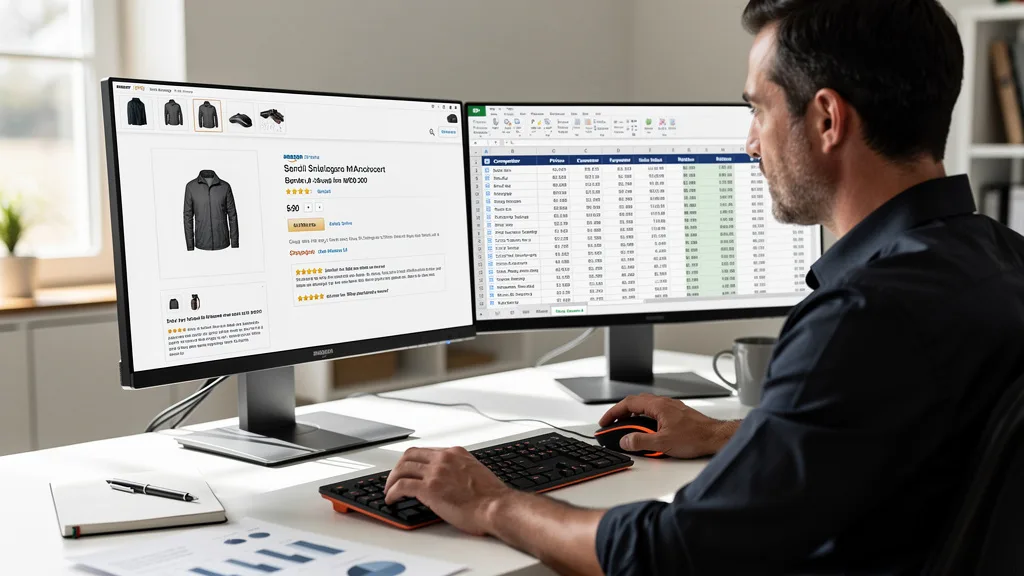
A comprehensive analysis goes beyond simply looking at rival product pages. It means investigating their entire Amazon presence, including their brand storefront, A+ Content, customer question-and-answer sections, and advertising footprint. For example, a seller of high-end coffee grinders might analyze other premium kitchen gadget brands, not just other coffee grinder sellers, to understand how they communicate quality and attract affluent buyers. This broader view provides a more complete picture of the market dynamics and customer expectations.
Ultimately, this process helps you answer critical business questions. Who is winning market share and why? What pricing strategies are effective in your niche? What product features are customers demanding? By dissecting the operations of comparable companies, you transform guesswork into a strategic, evidence-based approach to growing your Amazon sales.
In the fiercely competitive e-commerce market of 2026, relying on intuition alone is a recipe for failure. The Amazon platform is more saturated than ever, and customers have endless choices. Conducting a thorough competitor analysis is what separates thriving sellers from those who stagnate. It allows you to move from a reactive to a proactive business model, anticipating market shifts instead of just responding to them.
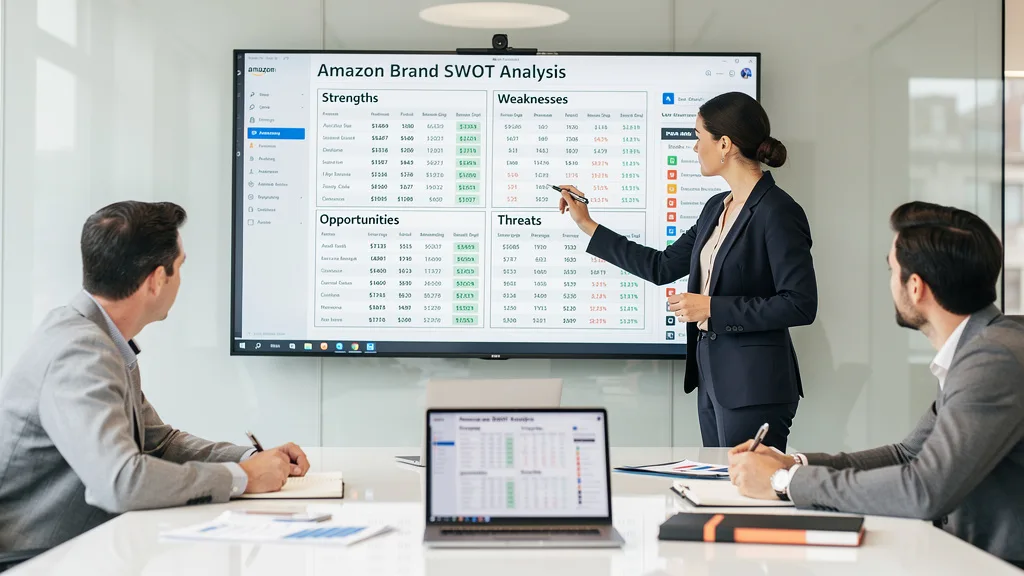
The primary benefit of this analysis is the discovery of actionable opportunities. By studying your competitors, you can identify underserved customer segments, find gaps in product offerings, and uncover profitable keywords they might be neglecting. This information is critical for refining your product development roadmap, optimizing your Amazon listing optimization efforts, and crafting more effective marketing campaigns that resonate with your target audience.
"In the 2026 Amazon landscape, you're not just competing on price. A deep dive into Amazon comparable companies: how to analyze competitors reveals your rivals' entire playbook, from their supply chain to their customer service ethos. This analysis is your blueprint for sustainable growth."
Furthermore, staying ahead of the curve requires continuous monitoring. Competitors' strategies are not static; they change their pricing, update their listings, and launch new advertising campaigns regularly. A consistent analysis ensures you are always aware of these changes, allowing you to adapt quickly and maintain your competitive edge. This vigilance helps protect your market share and positions you to capitalize on competitors' missteps. uncover profitable keywords.
How to Get Started with Amazon Comparable Companies
Beginning your competitor analysis journey can seem daunting, but breaking it down into manageable steps makes the process straightforward. The first step is to identify who your competitors actually are. Start by searching for your main keywords on Amazon and see who consistently appears on the first page. Look at the "products related to this item" and "customers also bought" sections on your own and other product pages to find both direct and indirect rivals.
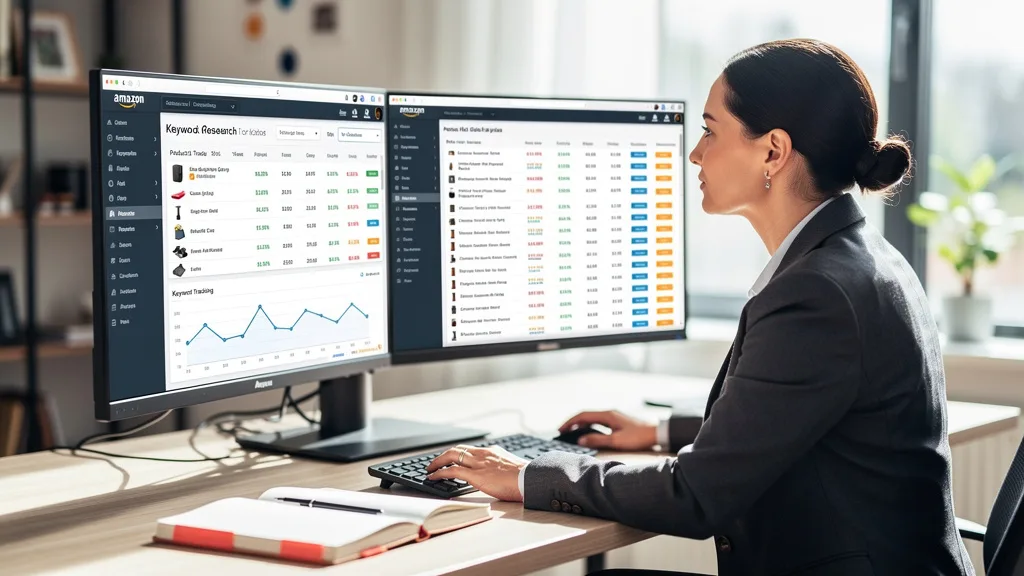
Once you have a list of competitors, you need to define the key metrics you will track. These data points will form the basis of your analysis. Focus on quantifiable metrics like price, number of reviews, average star rating, and Best Sellers Rank (BSR). Also, include qualitative aspects like the quality of their product images, the persuasiveness of their bullet points, and the depth of their A+ Content. Using a combination of manual review and specialized software is often the most effective approach. For a deeper dive into available software, consider exploring the best Amazon niche research tools to automate data collection.
Organizing the data you collect is crucial for drawing meaningful conclusions. A simple spreadsheet is an excellent tool for this. Create columns for each competitor and rows for each metric you are tracking. This structured format allows you to easily compare data points side-by-side and spot trends or outliers. This organized data becomes the foundation for all your strategic decisions. To learn more about the complete process, The Ultimate Guide to Amazon competitor analysis offers further insights.
Data to Collect for Competitor Analysis
| Data Point | What to Look For | Why It Matters |
|---|---|---|
| Product Pricing | Price history, discounts, bundling offers | Determines your pricing strategy and perceived value. |
| Customer Reviews | Average rating, review velocity, common themes (positive/negative) | Uncovers product weaknesses and customer desires. |
| Listing Quality | Title, bullet points, A+ Content, image quality | Highlights opportunities to improve your own Amazon listing. |
| Keywords | Main keywords, long-tail keywords, PPC keywords | Informs your SEO and advertising campaigns. |
| Best Sellers Rank (BSR) | Current BSR and historical trends | Estimates sales volume and market demand. |
| Advertising | Sponsored Products, Sponsored Brands, ad placement | Reveals their ad spend and targeting strategy. |
Best Practices for Amazon Comparable Companies
To get the most out of your competitor analysis, you must adopt a set of best practices that ensure your efforts are both efficient and effective. Firstly, make your analysis a continuous process, not a one-time project. The Amazon marketplace is dynamic, so you should schedule regular check-ins, perhaps weekly or monthly, to monitor your key competitors and track any changes in their strategy. This consistency helps you stay agile and responsive.
Secondly, look beyond the numbers. While metrics like price and BSR are important, the qualitative data is where you will find a real competitive edge. Read your competitors' **previous reviews**, both positive and negative. Negative reviews are a goldmine for identifying customer pain points that your product could solve. Similarly, analyze their branding by visiting their **Amazon storefront** and studying how they present their brand story and product range.
Finally, expand your view beyond the Amazon platform. Investigate your competitors' off-Amazon presence, such as their social media profiles, company website, and content marketing efforts. This provides a holistic view of their marketing strategy and can reveal how they drive external traffic to their Amazon listings. Understanding their complete funnel gives you more avenues to compete and differentiate your brand.
- Automate Data Collection: Use seller tools to track competitor prices, BSR, and keyword rankings automatically.
- Analyze Customer Sentiment: Go through Q&A sections and reviews to understand what customers love and hate.
- Benchmark Your Listings: Compare your product titles, images, and descriptions against the top 3-5 competitors for your main keywords.
- Monitor Promotions: Keep an eye on competitor deals, coupons, and lightning deals to understand their promotional calendar.
- Think Like a Customer: Go through the entire buying journey for a competitor's product to identify friction points and areas of excellence.
Common Mistakes to Avoid
While competitor analysis is powerful, several common mistakes can undermine its effectiveness. One of the biggest errors is focusing solely on the top-selling competitors. While it's important to know what the market leaders are doing, you should also monitor emerging brands and new entrants. These smaller, agile sellers can quickly gain market share with innovative products or marketing tactics, and ignoring them can leave you vulnerable.
Another frequent pitfall is mindlessly copying your competitors. The goal of analysis is not to imitate but to innovate. Use the data you gather to identify weaknesses in your competitors' strategies and find your unique selling proposition. If a competitor is winning on price, perhaps you can win on quality, customer service, or by offering a unique feature. Simply trying to be a cheaper version of a competitor is a race to the bottom.
Finally, avoid the mistake of focusing only on a single metric, like price. A holistic analysis considers all aspects of a competitor's presence. A competitor might have a lower price, but their poor reviews, slow shipping times, or weak branding could present an opportunity for you to capture customers willing to pay more for a better experience. Similarly, overlooking their advertising strategy can be a costly error; understanding their PPC campaigns is crucial. Being aware of common Amazon PPC budget mistakes can help you identify their vulnerabilities and your opportunities.
Key Takeaways
Mastering the analysis of Amazon comparable companies is a game-changer for any seller looking to thrive in 2026. By integrating this practice into your regular business operations, you can build a more resilient and profitable brand. The insights gained will inform nearly every aspect of your business, from product development to marketing.
Here are the essential points to remember:
- It's an Ongoing Process: The Amazon marketplace is constantly changing. Treat competitor analysis as a continuous cycle of research, analysis, and action, not a one-time task.
- Look Broadly and Deeply: Analyze both direct and indirect competitors. Go beyond surface-level metrics to understand their branding, customer sentiment, and off-Amazon activities.
- Use the Right Tools: Combine manual research with specialized software to gather comprehensive and accurate data efficiently. This blend provides both quantitative scale and qualitative depth.
- Innovate, Don't Imitate: The ultimate goal is to uncover opportunities to differentiate your brand and offer unique value to customers, not to simply copy what others are doing.
- Data Drives Decisions: Use the insights from your analysis to make informed, strategic choices about your pricing, product features, listing optimization, and advertising campaigns.
FAQs About Amazon Competitor Analysis
Who are Amazon's main competitors?
Amazon's competition is multi-faceted. On the retail front, its main competitors include large brick-and-mortar chains with strong online presences, such as Walmart and Target. In the e-commerce space, platforms like Shopify empower independent brands to compete, while global marketplaces like Alibaba and eBay serve as major rivals.
In cloud computing, Amazon Web Services (AWS) competes with Microsoft Azure and Google Cloud. Each segment of Amazon's business faces a unique set of formidable competitors. For a detailed breakdown of rivals across all sectors, you can review expert analysis on who are Amazon's (AMZN) main competitors.
What is a comparative analysis of competitors?
A comparative analysis of competitors is a systematic process where you identify your key rivals and evaluate their strategies, products, prices, and marketing efforts. The goal is to determine their strengths and weaknesses in relation to your own business and the overall market. This is a core component of any strategic business plan.
This analysis helps you benchmark your performance and identify opportunities for improvement. By understanding what successful competitors do well and where unsuccessful ones fail, you can refine your own tactics to gain a competitive advantage. It's about learning from the marketplace to make smarter decisions.
Can you compare products on Amazon?
Yes, you can easily compare products directly on Amazon. Many product detail pages feature a "Compare with similar items" table that shows key attributes of several related products side-by-side. This feature typically highlights price, customer rating, item dimensions, and other specific features relevant to the category.
Beyond this built-in tool, you can perform a manual comparison by opening multiple product pages in different browser tabs. For more in-depth analysis, third-party seller tools and browser extensions can extract and organize product data from multiple listings into a single dashboard, allowing for a much more detailed and efficient comparison.
What are the 4 P's of Amazon?
The 4 P's of marketing, when applied to an Amazon seller, are Product, Price, Place, and Promotion. 'Product' refers to the item you are selling, including its quality, features, and packaging. 'Price' is your pricing strategy, considering your costs, competitor pricing, and perceived value.
'Place' on Amazon refers to your visibility and availability on the platform, which means optimizing your listing to appear in relevant search results and ensuring your product is in stock (e.g., using FBA). 'Promotion' encompasses all your marketing efforts, including your Amazon PPC campaigns, deals, coupons, and any external marketing that drives traffic to your listing.
Conclusion
Successfully navigating the complexities of the Amazon marketplace in 2026 requires a sharp, analytical approach. By consistently analyzing Amazon comparable companies, you equip your business with the strategic intelligence needed to not only compete but to lead. This process transforms market noise into actionable insights, allowing you to optimize your pricing, enhance your product listings, and ultimately drive sustainable growth and profitability.
Are you ready to uncover the hidden opportunities in your niche and outperform your competition? A thorough analysis of your listings and your competitors is the first step toward dominating your category. Let us help you identify the key areas for improvement that will make the biggest impact on your sales.
Take the guesswork out of your Amazon strategy. Get a comprehensive evaluation of your product listings with a Free Audit today.