Table of Contents 9 sections
Are you navigating the complex world of selling auto parts on Amazon and hitting roadblocks with FBA eligibility? The Automotive and Powersports category is a massive opportunity, but its technical nature and strict requirements can frustrate even experienced sellers. Understanding the specific rules is the first step toward unlocking profitable growth in this competitive market.
Meeting the Amazon FBA Eligibility for Automotive Parts and Tools in 2026 requires a valid professional seller account, adherence to strict product safety and compliance standards, and specific FBA packaging rules. Sellers must also provide accurate vehicle fitment data and successfully navigate gated subcategories to list and sell their products through Fulfillment by Amazon. Mastering these elements is non-negotiable for success.
Understanding Amazon's Automotive and Powersports Category
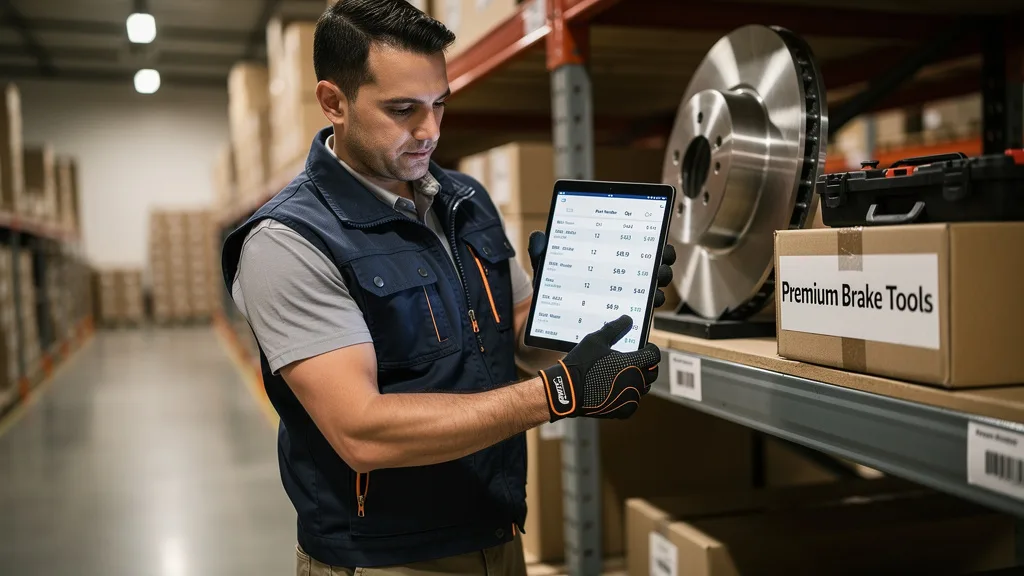
The Automotive and Powersports category on Amazon is one of the largest and most detailed marketplaces for vehicle parts, tools, and accessories. It covers everything from replacement brake pads and oil filters for daily drivers to high-performance components and specialty tools. Customer trust is paramount here, as purchasing the wrong part can lead to safety issues or costly repairs. Consequently, Amazon enforces stringent rules to ensure product quality and data accuracy.
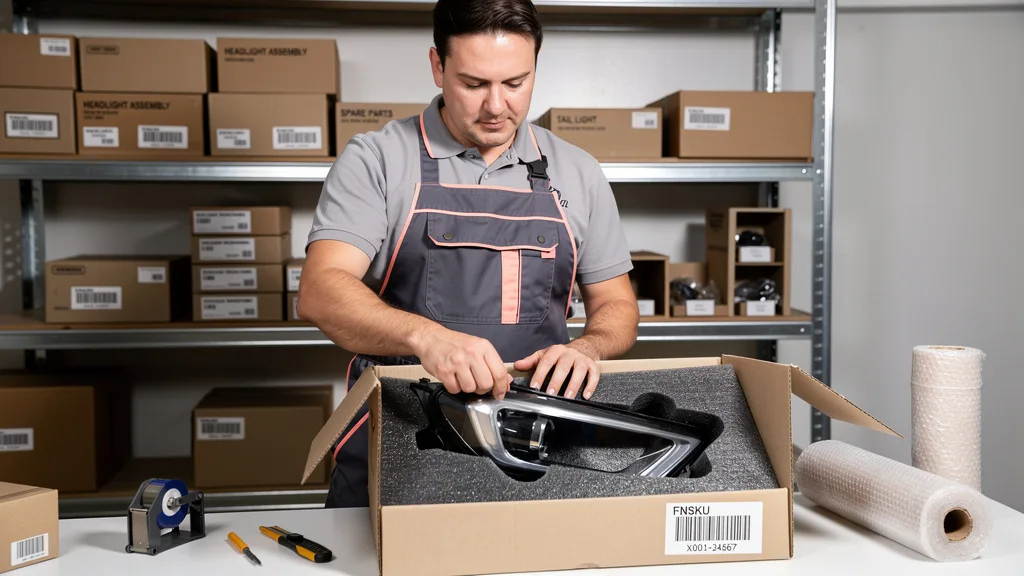
For sellers, this means the barrier to entry is higher than in other categories like Home & Kitchen or Apparel. Amazon demands precision, especially regarding vehicle fitment data, to provide customers with a seamless experience using the Part Finder tool. Success in this category depends on your ability to meet these high standards, manage complex inventory, and provide excellent customer service when issues inevitably arise.
Core FBA Eligibility for Automotive Parts and Tools
Before you can send your first shipment of auto parts to an Amazon fulfillment center, you must satisfy several core eligibility requirements. These rules are designed to protect customers, ensure warehouse safety, and maintain a high-quality catalog. Failing to meet any of these standards can result in listing suppression, inventory removal, or even account suspension.
General Amazon Seller Account Requirements
First and foremost, you must have a Professional selling account in good standing. Your Account Health Rating should be healthy, with low defect rates and policy violation warnings. Amazon scrutinizes sellers more heavily in the automotive category, so a clean track record is essential. New sellers may face additional reviews or velocity limits until they establish a history of successful sales and positive customer feedback.
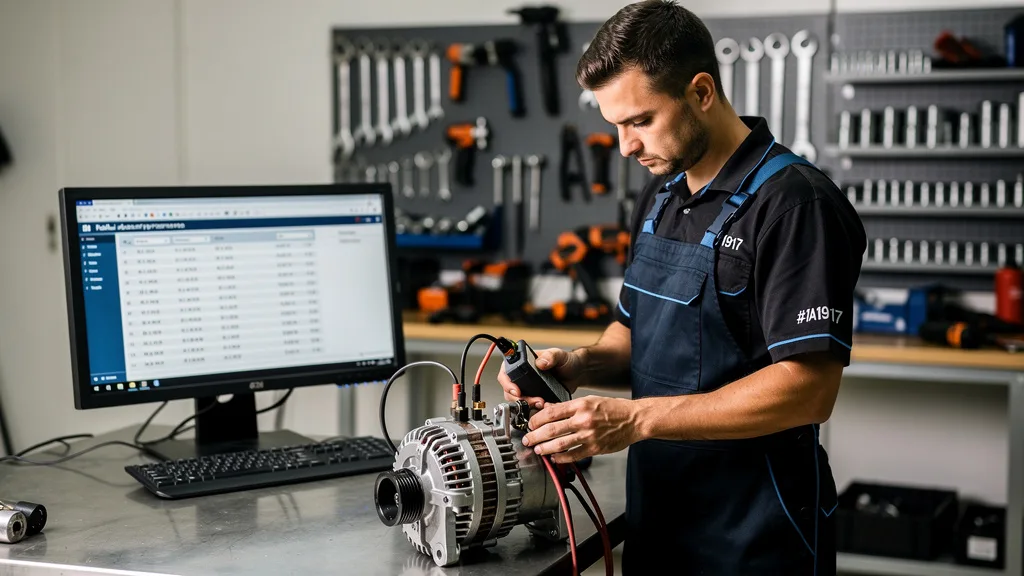
Maintaining strong performance metrics is an ongoing requirement. This includes a low Order Defect Rate (ODR), a low Late Shipment Rate (even for FBM before switching to FBA), and a Pre-fulfillment Cancel Rate near zero. These metrics signal to Amazon that you are a reliable seller capable of handling the complexities of the automotive market.
Product Safety and Compliance Standards
Automotive products are subject to numerous federal and state regulations, and Amazon requires all sellers to comply fully. This includes standards set by the Department of Transportation (DOT) and the Environmental Protection Agency (EPA). For example, lighting products must be DOT compliant, and certain engine components must not violate emissions laws. You are responsible for ensuring every product you list meets these legal standards.
You may be required to provide compliance documentation, such as test reports or certificates, at any time. This is especially true for products related to vehicle safety, like brake components or child safety seats. Proactively gathering and organizing this documentation is a best practice that can save you from significant headaches and potential legal issues down the line.
FBA-Specific Packaging and Prep Rules
Once you meet account and product requirements, you must follow FBA's strict packaging and prep guidelines. Automotive parts are often heavy, oddly shaped, or contain fluids, requiring special handling. All items must be securely packaged to prevent damage during transit and in the warehouse. For example, heavy items may need to pass a drop test without the contents being exposed.
Liquids and oils must be in sealed containers with a secondary seal, and the entire unit must be bagged to prevent leaks. Batteries and other items classified as dangerous goods (hazmat) have their own separate, highly detailed requirements. It's critical to review the FBA prep matrix for your specific product type and consider using one of the best Amazon listing optimization tools to ensure your product details are accurate from the start.
Accepted Product Conditions: New, Used, and Renewed
The automotive category allows for the sale of products in various conditions, each with its own set of rules. Whether you are selling brand-new OEM parts, used components, or certified refurbished items, you must list them under the correct condition to avoid customer complaints and policy violations.
Selling Brand-New OEM and Aftermarket Parts
This is the most common condition for automotive parts on Amazon. New parts must be in their original, unopened packaging with all manufacturer warranties intact. If you are selling parts from major brands (OEM or aftermarket), you may need to provide letters of authorization or invoices from official distributors to prove authenticity and get approval to list them. This is a key step in preventing counterfeit products from entering the marketplace.
Listing new parts is generally the most straightforward path, but competition can be fierce. Success often depends on sourcing, pricing strategies, and your ability to provide accurate fitment data. Using AI tools for Amazon sellers can help you analyze market trends and optimize your pricing for maximum profitability.
Guidelines for Listing Used or Collectible Parts
Selling used auto parts on Amazon is possible but comes with more stringent guidelines than other platforms like eBay. You must accurately grade the condition of each part using Amazon's specific sub-conditions: Used - Like New, Used - Very Good, Used - Good, and Used - Acceptable. You must also provide detailed notes and photos describing any cosmetic blemishes, wear, or missing components.
Transparency is critical when listing used parts. A customer expecting a 'Like New' part who receives a scratched or greasy component will likely leave negative feedback and file an A-to-z claim. This condition is often best for rare, collectible, or hard-to-find parts where customers are more forgiving of minor imperfections.
How to Sell Renewed Auto Parts via Amazon Renewed
The Amazon Renewed program offers a fantastic opportunity to sell renewed auto parts with higher profit margins. However, entry into this program is exclusive and requires a rigorous application process. To qualify, you must demonstrate your ability to professionally refurbish, inspect, and test products to work and look like new. This typically involves submitting invoices showing a minimum quantity or value of qualifying refurbished purchases.
All Renewed products must be backed by the Amazon Renewed Guarantee, which gives customers a 90-day window for replacement or refund. This high standard ensures customer confidence and allows you to command premium prices for your refurbished goods. It's a challenging program to enter but can be highly rewarding for sellers with established refurbishment operations.
Mastering Automotive Fitment Data and Listing Requirements
Perhaps the single most critical aspect of selling automotive parts on Amazon is providing accurate fitment data. This data, also known as compatibility information, tells the customer whether a specific part will fit their vehicle's year, make, and model. Getting this right is essential for conversions and minimizing returns.
Why Fitment Data (ACES and PIES) Is Crucial
Fitment data is the backbone of the Amazon automotive shopping experience. Amazon uses industry-standard formats, primarily ACES (Aftermarket Catalog Exchange Standard) for fitment applications and PIES (Product Information Exchange Standard) for product attributes. When you provide this data, customers can use Amazon's Part Finder tool to confirm compatibility, which dramatically increases their confidence to purchase.

Without correct fitment data, your listing is essentially invisible to customers searching for parts for their specific vehicle. More importantly, incorrect data leads to a high rate of returns, negative reviews, and customer frustration. The cost of a single return (shipping, restocking, and potential unsellable inventory) can wipe out the profit from several sales, making data accuracy a cornerstone of profitability.
| Method | Description | Best For | Pros | Cons |
|---|---|---|---|---|
| Manual Entry | Adding fitment data directly in Seller Central one vehicle at a time. | Sellers with a very small catalog (1-10 SKUs). | No extra cost; easy for single products. | Extremely time-consuming; high risk of manual error; not scalable. |
| Flat File Upload | Using Amazon's inventory file templates to upload fitment data in bulk. | Sellers with a medium-sized catalog and some technical skill. | Can manage hundreds of SKUs at once; more efficient than manual entry. | Steep learning curve; templates are complex; easy to make widespread errors. |
| Third-Party Provider | Using a specialized service that manages and delivers ACES/PIES data to Amazon. | Sellers with large catalogs or those wanting maximum accuracy. | Highest accuracy; saves significant time; managed by experts. | Requires a monthly or annual subscription fee. |
How to Add Fitment Information to Your Listings
You have three primary methods to add fitment data to your listings. The first is manual entry through Seller Central, which is only feasible for a handful of products. The second is using Amazon's flat file templates, which allows for bulk uploads but is notoriously complex and prone to errors. You must map your products to a standardized vehicle database, a task that requires precision.
The third and most recommended method for serious sellers is to use a third-party data provider. These services specialize in creating and managing ACES and PIES data files. While it involves a subscription fee, the investment pays for itself by ensuring accuracy, saving you countless hours of manual work, and preventing costly returns due to incorrect fitment.
Troubleshooting When Automotive Fit Type Is Suddenly Required
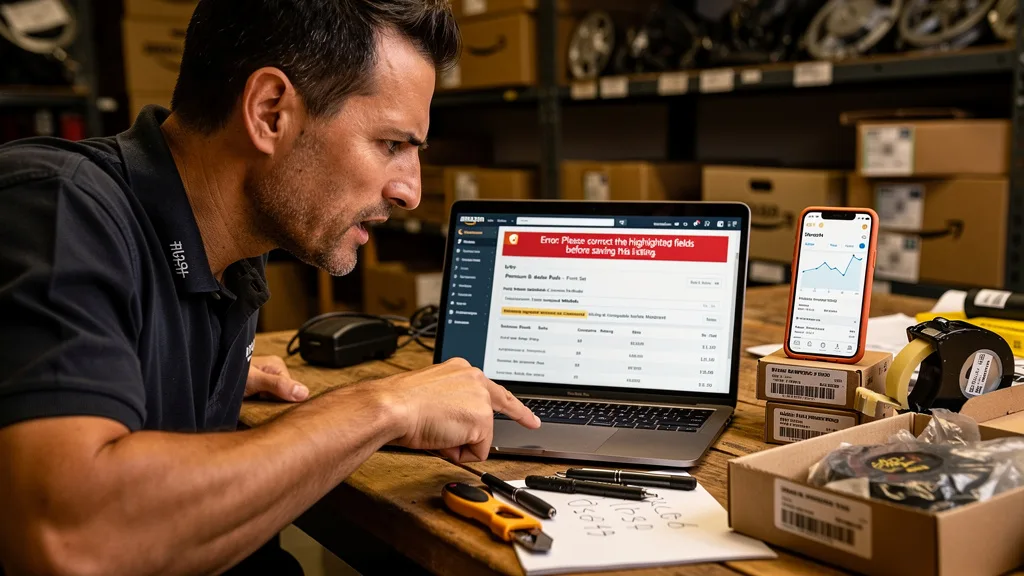
One of the most frustrating issues sellers face is when the automotive fit type suddenly required field appears and becomes mandatory on a listing that was previously fine. This `sudden change` often occurs when Amazon's system re-categorizes an item or updates its requirements for a particular product type. Suddenly, you can't edit your price or inventory without providing this data.
When this happens, first verify that your product is in the correct browse node (category). If it is, you will need to provide the fitment data. If the product does not require fitment data (e.g., a generic tool or accessory), you may need to open a case with seller support. In your case, clearly explain why fitment is not applicable, provide the ASIN, and include screenshots. This often requires escalation to a team that can manually correct the attribute requirement for your listing. Complete Guide to the Best.
Navigating Restricted Products and Gated Subcategories
Not all automotive parts can be sold freely on Amazon. The platform restricts certain products for safety, legal, or regulatory reasons, and it gates access to specific subcategories to ensure only qualified sellers can participate. Understanding these limitations is key to building a sustainable business and avoiding policy violations.
Common Restricted Automotive Items to Avoid
Certain items are broadly prohibited due to significant safety and liability concerns. It is crucial to review Amazon's Restricted Products policy before sourcing inventory. A list of commonly restricted items includes:
- Airbags and airbag components
- Seatbelts and seatbelt components
- Products designed to defeat, bypass, or interfere with emission control systems
- Most tires for passenger vehicles (this is a frequently gated and restricted category)
- Vehicle Identification Number (VIN) plates
- Certain performance chips or tuners that may violate EPA regulations
Attempting to sell these items can lead to immediate listing removal and put your entire account at risk. Always err on the side of caution and consult the policy pages if you are unsure about a product's eligibility.
How to Apply for Approval in Gated Automotive Categories
Beyond universally restricted products, Amazon also "gates" certain subcategories, requiring sellers to apply for approval before they can list items. This is common for categories like Tires & Wheels or products that require professional installation. The goal is to ensure sellers are legitimate businesses with a history of sourcing authentic products.
The application process typically involves providing Amazon with specific documentation. This can include purchase invoices from authorized manufacturers or distributors (not receipts from retail stores), a business license, and photos of your product and packaging. The invoices must be recent, show your business name and address, and list the quantities of the products you intend to sell. Being prepared with this paperwork is the key to a smooth approval process.
Overcoming Common Challenges with Seller Support
Even with perfect preparation, you will eventually encounter issues that require assistance from Amazon Seller Support. Navigating this system can be challenging, especially with the technical complexities of the automotive category. Knowing how to communicate effectively can make the difference between a quick resolution and a weeks-long ordeal. Fulfillment by Amazon.
Dealing with Sudden Listing Changes or Suppressions
It's a common scenario: a best-selling listing suddenly becomes suppressed or is changed without your input. This can be caused by an algorithm update, a competitor incorrectly editing the page, or a reclassification of the product. The first step is to check your Performance Notifications and Account Health dashboard for any specific violation notices.
If there's no clear violation, open a case with Seller Support to have the listing investigated. Provide the ASIN, a detailed description of the problem, and evidence of what the listing should look like (e.g., a link to the manufacturer's website). If your listing was suppressed due to a missing attribute like the `automotive fit type`, you must either provide the data or prove why it's not applicable to get the listing reinstated.
Best Practices for Contacting Seller Support Effectively
When you encounter a problem, your goal is to make it as easy as possible for the support agent to understand and solve your issue. Avoid long, emotional emails. Instead, use a clear, concise format with bullet points. Always include the essential information upfront: the ASIN(s) in question, the marketplace, a summary of the problem, and what you believe the solution is.
"When dealing with complicated seller support cases, clarity is your best weapon. Provide a clear timeline, specific ASINs, and screenshots of the error. If the first-level support folk cannot figure it out, politely request an escalation to a specialist or a US-based team."
If your initial case does not resolve the issue, don't be afraid to request an escalation. Sometimes, first-level agents lack the training or tools to handle complex catalog issues. Politely asking for the case to be transferred to a catalog specialist or a captive team member can often lead to a faster and more accurate resolution. Remember to be persistent but always professional.
Key Takeaways
Successfully selling in the Amazon Automotive and Powersports category requires diligence and attention to detail. Here are the most critical points to remember for FBA eligibility:
- Account Health is Foundational: You must maintain a Professional seller account with excellent performance metrics.
- Compliance is Non-Negotiable: All products must meet federal and state safety standards, and you must be prepared to provide documentation.
- Fitment Data Drives Sales: Accurate ACES and PIES data is the most critical factor for discoverability, conversions, and reducing returns. Investing in a data provider is often worth the cost.
- Master Product Conditions: List your products accurately as New, Used, or Renewed. To sell renewed auto parts, you must be accepted into the exclusive Amazon Renewed program.
- Navigate Restrictions Carefully: Understand which products are prohibited and which subcategories are gated. Prepare your documentation before applying for approval.
- Communicate Effectively with Support: When problems arise, provide clear, concise information to Seller Support and know when to escalate a case to a specialist team.
Frequently Asked Questions
Does Amazon sell car parts?
Yes, Amazon is one of the largest online retailers of car parts and accessories in the world. The Automotive and Powersports category features millions of products from OEM manufacturers, major aftermarket brands, and third-party sellers. Customers use Amazon's Part Finder tool to find parts that are compatible with their specific vehicle.
Do I need a business license to sell on Amazon FBA?
This vast selection, combined with fast Prime shipping, makes it a go-to destination for both DIY mechanics and general consumers. For sellers, this represents a huge market, but it also means significant competition and the need to adhere to Amazon's strict selling standards.
Can I make $1000 a month selling auto parts on Amazon?
Whether you need a business license depends on your local, state, and federal government requirements, not necessarily on Amazon's rules for starting an account. However, when you apply to sell in gated automotive categories, Amazon will often ask for business documentation, which can include a business license or sales tax permit, to verify that you are a legitimate commercial entity.
Does Amazon have automotive mechanics for seller support?
It is always a best practice to operate your Amazon business as a formal legal entity, such as an LLC or corporation, to protect your personal assets. You should consult with a legal and tax professional to ensure you are compliant with all business regulations in your jurisdiction.
Yes, it is certainly possible to make $1000 a month or much more selling auto parts on Amazon, but it is not a simple or easy path to profit. Success requires significant capital for inventory, in-depth product research to find profitable niches, and a robust system for managing listings and fitment data. You can explore a Complete Guide to the Best FBA products to understand the research involved.
Profit margins can be tight after accounting for Amazon's fees, FBA costs, shipping, and potential returns. To achieve consistent profitability, you must source products effectively, optimize your listings for conversion, and manage your advertising spend wisely. It requires a professional approach and a deep understanding of both the products and the Amazon platform.
No, Amazon's Seller Support team is staffed by generalists who are trained on Amazon's policies and internal tools, not by automotive mechanics. They do not have technical expertise regarding vehicle parts and cannot advise you on whether a part fits a specific vehicle or how it should be installed. This is a common source of frustration for sellers.
When you contact support about a technical product issue, you must provide all the context. You are the expert on your product. Your job is to explain the issue in simple terms that a non-expert can understand and act upon within Amazon's systems. For example, instead of saying "this control arm is for a double-wishbone suspension," you might say "this part is only compatible with the models listed in the fitment data I provided."
Conclusion
Mastering the Amazon FBA eligibility for automotive parts and tools in 2026 is a game of precision and persistence. Success hinges on your commitment to providing accurate fitment data, adhering to strict compliance and packaging rules, and navigating the complexities of gated categories and seller support. By treating these requirements not as obstacles but as a blueprint for building a trustworthy brand, you can tap into one of Amazon's most lucrative and enduring markets.
Tired of navigating the complexities of FBA eligibility and listing optimization alone? As an Amazon consultant who has scaled multiple brands to 8-figures, I can identify the roadblocks holding you back. Let's ensure your automotive parts business is built for profitable growth.
Get a comprehensive analysis of your listings and strategy. Request your Free Audit today.