
Is your Amazon brand poised for 8-figure growth, but your product listings aren't converting browsers into buyers? Choosing the right partner to enhance your listings is one of the most critical decisions you'll make. The wrong choice can lead to wasted ad spend and stagnant sales, while the right one can unlock exponential growth and profitability.
Choosing the best Amazon listing optimization service requires evaluating a provider's case studies, niche experience, and reporting transparency. You must compare different provider types, like agencies, freelancers, and software, against your brand's specific budget, goals, and internal resources. Understanding their pricing models and key performance indicators (KPIs) is essential for ensuring a profitable partnership and avoiding common red flags.
What Are the Core Pillars of Amazon Listing Optimization?
Effective Amazon listing optimization is a multi-faceted discipline that goes far beyond simply adding a few keywords. It's the strategic process of enhancing every element of your product detail page to improve visibility in search results, increase click-through rates, and ultimately drive conversions. A comprehensive approach addresses how both the Amazon A10 algorithm and human shoppers perceive your product.

Think of your listing as your digital storefront and your 24/7 salesperson. Each component must work in harmony to tell a compelling story, build trust, and guide the customer toward a purchase. Neglecting any of these core pillars can create a weak link in your sales funnel, allowing competitors to capture market share that should be yours.
Strategic Keyword Research and Integration
The foundation of any successful listing is deep, strategic keyword research. This involves identifying not only the high-volume primary keywords but also the long-tail, high-intent phrases that qualified buyers use when they are ready to purchase. A top-tier service will use advanced tools to uncover these opportunities and analyze competitor strategies to find gaps in the market.
Once identified, these keywords must be woven naturally into your listing's title, bullet points, product description, and backend search terms. The goal is to satisfy the Amazon algorithm without sounding robotic or sacrificing readability. Proper keyword integration ensures your product appears in front of the right audience at the moment they are searching for a solution.
Compelling Titles and Persuasive Copywriting
Your product title is the single most important piece of copy for both search ranking and click-through rate. An optimized title should include your primary keywords while also clearly communicating the product's main benefit and key features. It needs to be compelling enough to make a shopper stop scrolling and click on your listing over a competitor's.
Beyond the title, your bullet points and product description are your chance to sell. This isn't just about listing features; it's about translating those features into tangible benefits that solve a customer's problem or fulfill a desire. Persuasive copywriting addresses pain points, overcomes objections, and paints a picture of how the customer's life will improve with your product.
High-Quality Images, Videos, and A+ Content
On Amazon, customers cannot touch or feel your product, so your visual assets must do the heavy lifting. A set of high-resolution images showing the product from multiple angles, in use, and with infographic callouts is non-negotiable. These visuals should communicate quality, features, and scale instantly.
Furthermore, product videos and A+ Content (or Premium A+ for brand-registered sellers) are powerful tools for increasing conversion rates. A video can demonstrate your product in action, while A+ Content allows you to use enhanced images and text to tell your brand story, compare products, and dive deeper into features. A great optimization service will have expertise in creating these high-impact assets.
Backend Search Term and Category Management
Some of the most critical optimization work happens behind the scenes. Your backend search term fields provide an opportunity to index for keywords that don't fit naturally in your visible copy, including synonyms, common misspellings, and Spanish-language terms. A skilled provider knows how to maximize this space without violating Amazon's terms of service.
Equally important is ensuring your product is listed in the most accurate and relevant category and sub-category. Placing your product in the wrong category can decimate its visibility and make it difficult for shoppers to find. An expert will perform a thorough category analysis to ensure your product is correctly classified, giving it the best chance to earn a "Best Seller" badge.
Types of Optimization Providers: Agency vs. Freelancer vs. Software
When you decide to invest in professional help, you'll find three main types of providers: full-service agencies, specialized freelancers, and DIY software platforms. Each option comes with its own set of advantages and disadvantages, and the best choice depends entirely on your business's size, budget, internal expertise, and growth objectives. Carefully weighing these factors is the first step in finding the right partner.
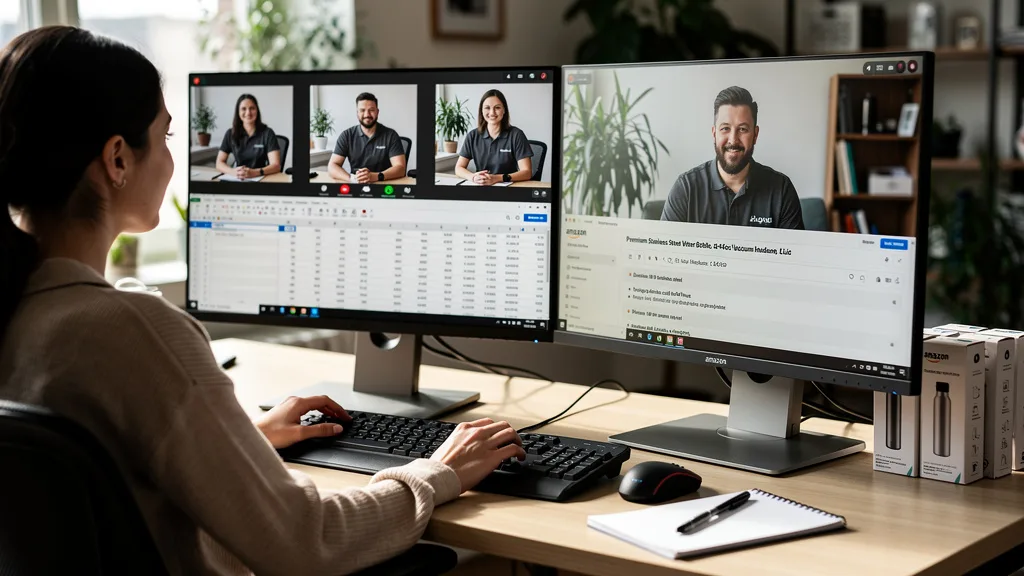
A 7-figure brand aiming for rapid scaling might benefit from the broad resources of an agency, while a brand with a highly specific niche product may find a specialized freelancer to be more effective. Meanwhile, a seller with a strong marketing background and more time than budget might prefer the control offered by a software solution. The following table breaks down the key differences to help you decide.
| Feature | Full-Service Agency | Specialized Freelancer | DIY Software |
|---|---|---|---|
| Scope of Work | Comprehensive (PPC, SEO, Creatives) | Specialized (e.g., Copywriting, A+) | User-driven tasks |
| Cost | High (Monthly Retainer) | Moderate (Project or Retainer) | Low (Monthly Subscription) |
| Expertise | Team of specialists | Deep individual expertise | Reliant on user's knowledge |
| Communication | Account Manager | Direct one-on-one | Support tickets, knowledge base |
| Best For | Brands needing full-service management | Brands needing specific expertise | Sellers with time and expertise |
Full-Service Amazon Agencies
Full-service agencies offer a one-stop solution for your Amazon needs. They typically employ a team of specialists covering everything from keyword research and copywriting to PPC management, graphic design for A+ Content, and account health monitoring. This integrated approach ensures all aspects of your Amazon strategy are aligned.
The primary benefit of an agency is the breadth of resources and the ability to scale services as your brand grows. However, this comes at a higher cost, often in the form of a significant monthly retainer. Communication may also be less direct, usually flowing through an account manager rather than directly with the specialist executing the work.
Specialized Freelance Experts
A specialized freelancer is an individual expert who focuses on one or two specific areas of Amazon management, such as listing copywriting or A+ Content design. Working with a freelancer often provides a more personal touch and direct communication with the person doing the work. Their deep, focused expertise can be invaluable for complex or highly competitive niches.
While often more cost-effective than an agency, a freelancer's bandwidth is limited. They may not be able to offer the comprehensive, all-in-one service of an agency, and relying on a single person can be a risk if they become unavailable. This option is ideal for brands that need to augment their in-house team with specific, high-level skills.
DIY Listing Optimization Software
For the hands-on seller, Do-It-Yourself (DIY) software platforms offer powerful tools for keyword research, listing analysis, and rank tracking. These tools empower you to perform optimization tasks yourself, providing data and suggestions to guide your decisions. This is by far the most cost-effective option, typically involving a low monthly subscription fee.
The major drawback is that the software is only as good as the person using it. It requires a significant investment of your time and a solid understanding of Amazon SEO principles to be effective. Without the right expertise, you may struggle to interpret the data correctly or implement changes that drive real results. For those interested in this path, exploring the best AI tools for Amazon sellers can provide a significant advantage.
Key Criteria for Evaluating an Optimization Service
Once you've decided on the type of provider, you must vet individual candidates. The right optimization provider will act as a true partner, aligning their efforts with your business goals. To find them, you need to look beyond their sales pitch and scrutinize their past performance, processes, and how they define success. A methodical evaluation process will protect your investment and set the stage for a fruitful relationship.
Analyze Their Portfolio and Client Case Studies
The most reliable indicator of future performance is past results. Ask to see a portfolio of listings they have optimized and detailed case studies from previous clients. Look for before-and-after metrics, such as increases in sessions, conversion rate, and keyword rankings. Pay close attention to results from brands that are in your category or have a similar business model.

A reputable provider will be proud to share their successes. If a candidate is hesitant to provide concrete examples or speaks only in vague terms about their results, consider it a major red flag. Testimonials are good, but data-backed case studies are far more valuable for making an informed decision.
Verify Their Industry Experience and Niche Expertise
Amazon is not a one-size-fits-all marketplace. The strategies that work for selling electronics may fail miserably in the beauty or grocery category. It is crucial to find a provider who has direct experience working with products like yours. They will already understand the specific compliance requirements, customer vocabulary, and competitive landscape of your niche.
Ask them directly about their experience in your category. A provider with niche expertise will be able to offer more insightful keyword research, create more relevant copy, and anticipate potential challenges. This specialized knowledge can significantly shorten the learning curve and accelerate your path to results.
Review Their Communication and Reporting Process
A successful partnership is built on clear communication and transparent reporting. Before signing any contract, you must understand exactly how and when you will receive updates. Will there be a dedicated point of contact? How often will you have meetings? What do their standard reports look like?
"Transparent, data-driven reporting isn't a luxury; it's a necessity. If a provider can't clearly show you the 'what, why, and how' behind your listing's performance, they aren't a true partner. As you learn how to choose an Amazon listing optimization service for your brand, prioritize partners who offer clear, actionable insights, not just vanity metrics."
Ask for a sample report. It should be easy to understand and focus on the KPIs that matter most to your business's bottom line, not just top-line sales. A clear process for an Amazon PPC audit and optimization should be part of this transparent reporting structure.
Understand the KPIs They Use to Measure Success
Finally, ensure your definition of success aligns with theirs. While increased sales is the ultimate goal, a sophisticated provider will track a range of leading indicators to measure the health and performance of your listing. These are the Key Performance Indicators (KPIs) that demonstrate the effectiveness of their optimization efforts.
Key KPIs to discuss include Sessions (traffic), Unit Session Percentage (conversion rate), keyword rank tracking for top targets, and impressions. A focus on these metrics shows that the provider has a deep understanding of the Amazon flywheel and is focused on building sustainable, long-term growth, not just short-term sales spikes.
Understanding Amazon SEO Pricing Models and Costs
The cost of Amazon listing optimization services can vary dramatically based on the provider type, scope of work, and pricing model. Understanding these different structures is crucial for budgeting effectively and ensuring you get a positive return on your investment. Most providers use one of three primary models: a monthly retainer, a one-time project fee, or a performance-based structure.

There is no single "best" pricing model; the right choice depends on your specific needs. If you require ongoing management and continuous improvement, a retainer makes sense. If you just need a one-off refresh for a few key products, a project fee is more appropriate. Below is a breakdown of what you can expect from each model.
- Monthly Retainers: Best for ongoing, comprehensive management. This model provides continuous optimization, monitoring, and reporting for a fixed monthly fee.
- One-Time Project Fees: Ideal for specific, defined tasks like launching a new product or overhauling a single underperforming listing.
- Performance-Based Fees: Aligns provider incentives with your success, but can be complex to structure and may lead to a focus on short-term gains.
- Hybrid Models: Some providers offer a combination, such as a lower base retainer plus a performance bonus, offering a balance of stability and incentive.
Monthly Retainer Agreements
The monthly retainer is the most common pricing model for agencies and some high-demand freelancers. You pay a fixed fee each month in exchange for a defined set of ongoing services. This can include continuous keyword monitoring, split-testing titles and images, updating A+ Content, and regular performance reporting.
Retainers provide budget predictability and ensure your listings are consistently managed and adapted to changes in the marketplace. Prices can range from a few thousand to over ten thousand dollars per month, depending on the number of ASINs and the scope of services included. This model is best for established brands committed to long-term growth.
One-Time Project or Per-Listing Fees
For brands with a specific, finite need, a one-time project fee is often the best fit. This could be a complete optimization overhaul for a single parent ASIN or the full setup and launch of a new product. You pay a flat fee for a clearly defined deliverable.
This model is transparent and easy to budget for. It's an excellent way to test a new provider or to address problem listings without committing to a long-term contract. Costs can vary widely, from several hundred to a few thousand dollars per listing, based on the complexity and depth of the optimization required. The cost of Amazon PPC and SEO services often follows similar project-based structures.
Performance-Based Pricing Structures
A less common but intriguing model is performance-based pricing. In this arrangement, the provider's compensation is tied directly to the results they achieve. This might be a percentage of the sales increase or a bonus for hitting specific KPI targets. This model perfectly aligns the provider's interests with your own: they only make more money if you do.
However, these agreements can be complex to structure and track. It's critical to define the baseline metrics and attribution clearly to avoid disputes. This model works best when the provider has control over multiple growth levers, such as both listing optimization and PPC management, to directly influence the outcome.
Red Flags to Avoid When Choosing a Provider
Just as important as knowing what to look for is knowing what to avoid. The Amazon services space has many skilled and ethical providers, but there are also those who use black-hat tactics or over-promise and under-deliver. Recognizing these red flags early can save you from a costly mistake that could damage your brand's reputation and even put your seller account at risk.
Guarantees of #1 Rankings or Specific Sales Figures
Any provider that guarantees a #1 search ranking, a specific Best Seller Rank (BSR), or a certain sales figure is a major red flag. The Amazon algorithm is a complex and constantly changing system influenced by dozens of factors, including competitor actions and customer behavior. No one can guarantee a specific outcome.
A reputable expert will talk about their process, their strategy for improving your metrics, and the results they've achieved for others. They will set realistic expectations and focus on a data-driven approach to growth, not on making impossible promises to win your business.
Lack of a Clear, Data-Driven Strategy
When you ask a potential provider about their process, you should receive a clear, logical explanation of their strategy. They should be able to tell you how they conduct keyword research, what tools they use, how they approach copywriting, and how they measure success. Their plan should be rooted in data and best practices.
If their answers are vague, full of buzzwords without substance, or if they seem secretive about their methods ("it's a proprietary secret"), you should be skeptical. True experts are confident in their process and happy to explain it. A lack of a clear strategy often means they don't have one, and you can find many discussions about the most reliable amazon listing services on forums where transparency is a key topic.
Vague Reporting and Poor Communication
Transparency is the cornerstone of a healthy client-provider relationship. If a provider is not forthcoming with regular, detailed reports on their activities and the resulting performance, it's a significant cause for concern. You have a right to know exactly what you are paying for and what impact it is having.
Similarly, poor communication is a deal-breaker. If they are slow to respond to emails, miss scheduled meetings, or can't answer your questions clearly, it's a sign of a disorganized or overwhelmed operation. Choose a partner who values communication and sees you as an integral part of the team.
Key Takeaways
Selecting the right Amazon listing optimization service is a strategic decision that directly impacts your brand's growth trajectory. To make the best choice in 2026, you must approach the process with a clear understanding of your goals and a critical eye for evaluating potential partners. Here are the essential takeaways:
- Focus on the Four Pillars: A comprehensive optimization strategy must address all four core pillars: strategic keywords, compelling copy, high-quality visuals (including A+ Content), and precise backend management.
- Match Provider Type to Your Needs: Carefully weigh the pros and cons of agencies, freelancers, and DIY software. Choose the model that best aligns with your budget, internal resources, and desired level of involvement.
- Vet Providers Rigorously: Go beyond the sales pitch. Demand to see data-backed case studies, verify their niche experience, and scrutinize their communication and reporting processes. Align on the KPIs that truly define success for your brand.
- Understand Pricing Models: Whether it's a monthly retainer, a one-time project fee, or a performance-based structure, ensure you understand the costs and what is included. Choose the model that provides the best value for your specific objectives.
- Watch for Red Flags: Immediately dismiss any provider that guarantees rankings or sales. A lack of a clear, data-driven strategy and poor communication are clear signs of an unprofessional operation.
Frequently Asked Questions
Which Amazon listing optimization service is the best?
There is no single "best" Amazon listing optimization service, as the ideal choice depends on your brand's specific needs. A full-service agency is often best for larger brands seeking comprehensive management across SEO, PPC, and creative. A specialized freelancer is ideal for businesses that need deep expertise in a particular area, like copywriting or A+ Content design, and prefer direct communication.
For sellers with the time and willingness to learn, DIY software can be a cost-effective solution. The best service for you is the one that aligns with your budget, goals, and the level of hands-on involvement you prefer. The key is to vet any potential partner based on their track record, transparency, and niche experience.
How long does it take to see results from listing optimization?
The timeline for seeing results from listing optimization can vary. Minor changes, such as an improved title or main image, can sometimes lead to an increase in click-through rates and sessions within a few weeks as Amazon's algorithm re-crawls your page. However, more significant results, like substantial improvements in organic keyword ranking for competitive terms, typically take longer.
Generally, you should expect to see meaningful and sustained improvement in key metrics like sessions, conversion rate, and sales within 60 to 90 days. Optimization is an ongoing process, not a one-time fix, and the best results come from continuous testing and refinement based on performance data.
Can I perform Amazon listing optimization myself?
Yes, you can absolutely perform Amazon listing optimization yourself, and many successful sellers do. This path requires a significant investment in time to learn the principles of Amazon SEO, copywriting, and using keyword research tools. Resources like our in-depth Amazon SEO guide can provide a strong foundation for your efforts.
The main trade-off is time versus money. While doing it yourself saves on service fees, it consumes your valuable time that could be spent on product development or supply chain management. If you are scaling quickly, outsourcing to an expert often provides a better return on investment by accelerating results and freeing you to focus on other core business functions.
What is the difference between listing optimization and Amazon PPC?
Amazon listing optimization is the process of improving your product page's organic visibility and conversion rate (Amazon SEO). It focuses on elements like keywords, copy, and images to attract and convert customers naturally. Amazon PPC (Pay-Per-Click), on the other hand, is a paid advertising platform where you pay to have your product shown in sponsored placements in search results and on product pages.
The two are deeply connected and work best together. A well-optimized listing will have a higher conversion rate, which improves the performance and profitability of your PPC campaigns. Conversely, data from successful PPC campaigns can provide valuable insights into which keywords convert best, which can then be used to further refine your listing optimization. You can learn more in this complete guide to profitable PPC campaigns.
How do I measure the success of an optimization service?
Measuring the success of an optimization service goes beyond just looking at total sales. A professional provider should report on a range of Key Performance Indicators (KPIs). The most important metrics to track are Sessions (the number of unique visitors to your listing), which indicates improved visibility, and Unit Session Percentage (your conversion rate), which shows the listing is more effective at persuading customers to buy.
Additionally, you should monitor your organic keyword rank for your top 10-20 most important search terms. An improvement in your average rank is a direct indicator of successful SEO efforts. Ultimately, these leading indicators should result in an increase in total sales and, most importantly, improved profitability. Many lists of the 12 Best Amazon Listing Optimization service providers emphasize transparent KPI reporting as a key feature.
Conclusion
Figuring out how to choose an Amazon listing optimization service for your brand is a pivotal step in your journey from a 7-figure seller to an 8-figure enterprise. It's not just about finding someone to rewrite your bullet points; it's about securing a strategic partner who understands the intricate dance between algorithmic ranking and human psychology. The right partner will turn your product listing into your most powerful sales asset, driving sustainable organic traffic and maximizing conversions.
The key takeaways from this guide are to be methodical and data-driven in your selection process. First, define your needs and decide whether an agency, freelancer, or software is the right fit. Second, rigorously vet every potential partner by analyzing their case studies, verifying their niche expertise, and demanding transparency in their reporting and communication. Finally, avoid any provider that offers unrealistic guarantees, as true success is built on a solid, iterative strategy, not empty promises.
Making the right choice saves you more than just money; it saves you time and accelerates your growth. A skilled optimization expert can uncover hidden opportunities and fix conversion leaks you may not even know exist, allowing you to focus on scaling your brand. If you're ready to see how a professional, profit-focused approach can transform your listings, the next step is to get a clear, data-backed assessment of where you stand today.
As an experienced 7-figure Amazon seller and consultant, I help serious brand owners unlock their true potential with profit-first strategies. To understand your listing's current strengths and weaknesses, I invite you to request a comprehensive Free Audit.