
Are you constantly battling for the Buy Box, only to see your profits shrink? In the hyper-competitive Amazon marketplace of 2026, a reactive pricing strategy isn't just an advantage; it's a requirement for survival and growth. The key is moving beyond manual adjustments and leveraging a powerful suite of tools that function as your personal Amazon price search engine.
An Amazon price search engine refers to a category of software that provides sellers with critical market intelligence, including competitor price tracking, historical data analysis, and automated repricing. These tools, such as Helium 10, Jungle Scout, and Keepa, empower you to make data-driven decisions that protect your margins, win the Buy Box, and ultimately scale your brand from seven to eight figures with a profit-first mindset.
While a customer uses Amazon's search bar to find products at low prices, a seller uses an Amazon price search engine to understand the data behind those prices. It's not a single application but rather a suite of specialized tools designed to give you a comprehensive view of the pricing landscape for your products. This software automates the process of gathering competitive intelligence, which is impossible to do manually across a large catalog of items.
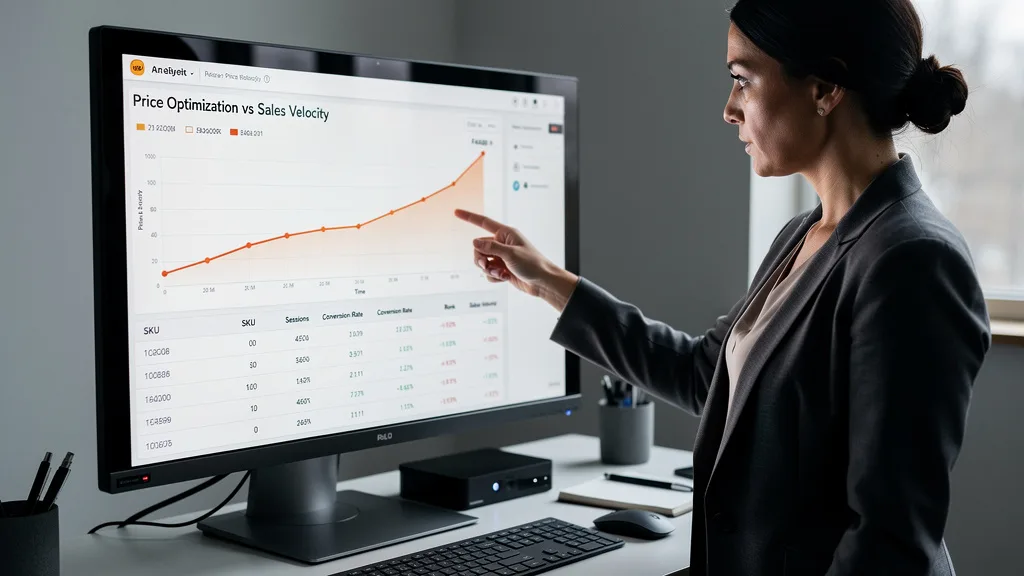
These platforms work by constantly scanning Amazon for changes in price, stock levels, and Buy Box ownership for specific ASINs you want to track. They compile this information into actionable dashboards and historical charts. The most advanced tools take it a step further by using this data to automatically adjust your prices based on a set of rules you define, ensuring you remain competitive 24/7 without sacrificing profitability.
Why a Smart Pricing Strategy Is Crucial for Sellers in 2026
In 2026, the Amazon marketplace is more saturated and sophisticated than ever before. A 'set it and forget it' pricing model is a direct path to lost sales and eroding margins. A smart, dynamic pricing strategy is the primary lever you can pull to influence sales velocity, win the coveted Buy Box, and signal positive performance to Amazon's A10 algorithm. It's the difference between a stagnant business and a scalable brand.

The goal isn't just to be the cheapest, which often leads to a race to the bottom. Instead, a strategic approach uses data to find the optimal price point that balances competitiveness with profitability. This means knowing when to lower your price to capture a sale and, just as importantly, when to raise it because a competitor has gone out of stock. This level of agility protects your bottom line and is fundamental to sustainable growth.
"In 2026, a 'set it and forget it' price is a recipe for failure. Using an Amazon price search engine allows you to react to the market in real-time, protecting your margins while capturing the Buy Box."
Top Amazon Pricing and Seller Tools for 2026
Navigating the plethora of available software can be daunting. However, a few industry-leading platforms consistently deliver the features and data integrity necessary for serious sellers. These tools form the core of a modern seller's intelligence-gathering and automation stack, each offering unique strengths to help you dominate your niche.
Helium 10: The All-in-One Suite
Helium 10 is widely regarded as a comprehensive, all-in-one solution for Amazon sellers. While it offers powerful tools for keyword research, product discovery, and marketing, its repricing tool, Automate, is a key component for your pricing strategy. It allows you to create sophisticated, rule-based repricing strategies that can be as aggressive or conservative as your business goals require.

Beyond just pricing, Helium 10 helps you ensure your products are perfectly positioned to convert. By integrating data from its keyword and listing optimization tools, you can ensure your pricing strategy is supported by a high-performing product detail page. For a deeper look at optimizing your listings, you can explore the best Amazon listing optimization tools to complement your pricing efforts.
Jungle Scout: For Product Research and Sourcing
Jungle Scout is renowned for its powerful product research capabilities. Its primary strength lies in helping you identify high-demand, low-competition products before you ever invest in inventory. The platform's extensive database, Opportunity Finder, and Supplier Database give you the insights needed to make informed sourcing decisions, which is the foundation of a profitable pricing strategy. Amazon FBA Pakistan guide.
While its focus is on the discovery phase, this data is invaluable for pricing. By understanding a niche's average price point, sales volume, and seasonality from the start, you can build a pricing model that is viable from day one. Jungle Scout helps you answer the question, "Can I sell this product at a competitive price and still make a healthy profit?" For sellers looking to expand their catalog, using the best Amazon niche research tools like Jungle Scout is a critical first step.
Keepa: For Detailed Price History Tracking
Keepa is the undisputed champion of historical data analysis. Its iconic browser extension overlays detailed charts directly onto Amazon product pages, showing a wealth of information over time. This includes price history for new and used items, sales rank fluctuations, Buy Box ownership changes, and even offer counts to gauge competition levels.
For a serious seller, Keepa is non-negotiable. It allows you to spot trends, understand a product's true price elasticity, and identify the best times to buy inventory or run promotions. For example, by seeing that a competitor consistently runs out of stock every December, you can plan to hold your price firm during that period to maximize profit. The scale of Amazon's operation, which you can get a glimpse of through resources like Amazon Careers, makes manual tracking impossible, highlighting the necessity of a tool like Keepa.
Key Features to Compare in Amazon Pricing Tools
When selecting the right tools for your business, it's essential to compare their core functionalities. Not all platforms are created equal, and the best choice depends on your specific goals, whether that's aggressive repricing, deep market research, or all-around management. A clear comparison helps you build a tech stack that addresses all your needs without redundant features.
| Feature | Helium 10 | Jungle Scout | Keepa |
|---|---|---|---|
| Automated Repricing | Yes (Automate) | Basic/Limited | No (Data Only) |
| Competitor Monitoring | Yes | Yes | Yes (Detailed) |
| Historical Data | Yes | Yes | Best-in-class |
| Profitability Calculator | Yes | Yes | No |
| Primary Use Case | All-in-one suite | Product Research | Deep Data Analysis |
Automated Repricing Capabilities
Automated repricing is arguably the most powerful feature of a modern pricing tool. This function automatically adjusts your product prices based on a set of predefined rules. For instance, you can set a rule to always be $0.01 below the Buy Box winner, match the lowest FBA offer, or price above competitors with lower seller ratings. This ensures you are always in a competitive position without needing to monitor prices manually.
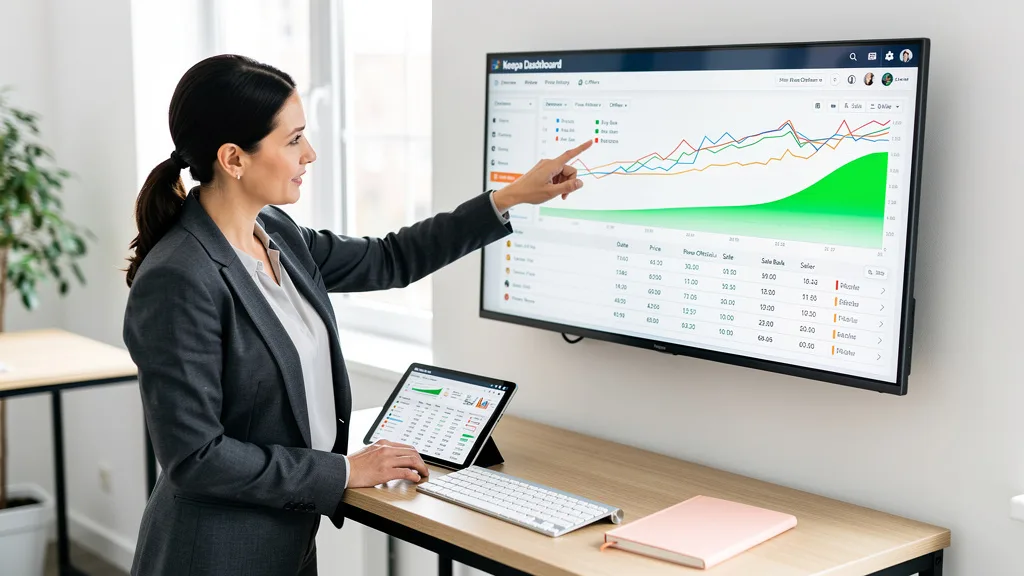
The most critical aspect of automated repricing is the ability to set minimum and maximum price thresholds. The minimum price, or floor, should be calculated based on all your costs to guarantee you never sell at a loss. The maximum price, or ceiling, prevents your price from skyrocketing if competitors run out of stock, which can deter buyers and hurt your conversion rate. This level of control is vital for a profit-focused Amazon PPC management strategy, as pricing directly impacts ad performance.
Competitor Price and Stock Monitoring
Knowing your competitors' prices is only half the battle. A top-tier tool will also monitor their stock levels. This information provides a significant strategic advantage. If you see your main competitor for the Buy Box is down to their last few units, you know you don't need to lower your price. Instead, you can hold steady or even slightly increase your price, knowing that you will capture the Buy Box at a higher margin once they sell out.
This feature turns pricing from a purely reactive measure into a proactive strategy. By anticipating market shifts based on competitor inventory, you can make smarter decisions that maximize revenue on every sale. It allows you to play chess while others are playing checkers, capitalizing on opportunities that are invisible to sellers who only track price.
Historical Data and Trend Analysis
Historical data, the specialty of tools like Keepa, is your crystal ball for predicting future market behavior. By analyzing price and sales rank history over months or even years, you can understand a product's seasonality, identify its typical price floor and ceiling, and see how it performs during major sales events like Prime Day or Black Friday.
This analysis informs every aspect of your business. For sourcing, it helps you avoid products with constantly falling prices. For inventory management, it helps you plan stock levels for seasonal peaks. For pricing, it allows you to set your repricing rules based on long-term data, not just the current market snapshot. This deep understanding of trends is what separates amateur sellers from professional, eight-figure brands.
Profitability and Fee Calculation
Winning the Buy Box is a vanity metric if the sale isn't profitable. The best seller tools include robust profitability calculators that account for all of Amazon's complex fees. This includes the referral fee, FBA fulfillment fees, monthly and long-term storage costs, and any variable closing fees. They allow you to see your true net profit per unit at any given sale price.
This feature is absolutely essential for setting your minimum price floors in an automated repricer. It ensures that your automation is working to grow your business, not just your revenue. By having a clear view of your margins, including an understanding of your Amazon PPC cost, you can make confident decisions that prioritize long-term, sustainable growth over short-term sales volume.
How to Use These Tools to Gain a Competitive Edge
Having the right tools is one thing; using them effectively is another. To truly gain a competitive edge, you must integrate these platforms into a cohesive strategy that influences everything from sourcing to sales. This involves combining automation with data analysis to make smarter, faster, and more profitable decisions than your competition.
Here are key strategies to implement:
- Dynamic Buy Box Acquisition: Use an automated repricer like Helium 10's Automate to constantly compete for the Buy Box within your predefined profit parameters.
- Data-Informed Sourcing: Before investing in a new product, use Jungle Scout and Keepa to verify it has a history of stable pricing, consistent demand, and manageable competition.
- Strategic Price Adjustments: Monitor competitor stock levels. Avoid a price war when a competitor is fully stocked; instead, hold your price and wait for them to sell out to capture the Buy Box at a higher margin.
- Unyielding Profit Protection: Use a profitability calculator to determine your absolute minimum price floor for every SKU. Input this into your repricer to ensure no sale is ever unprofitable.
- Exploit Seasonal Trends: Analyze historical Keepa data to identify periods of high demand and low competition. Adjust your inventory and pricing strategy to maximize profits during these peak times. The visual appeal of your listing, often showcased on platforms like Amazon (@amazon) · Seattle, WA, also plays a role in conversion during these periods.
Understanding Amazon's A10 Search Algorithm in 2026
Your pricing strategy does not exist in a vacuum; it directly impacts your product's visibility on Amazon. The A10 algorithm, Amazon's product ranking system, determines where your product appears in customer search results. While it considers many factors, one of the most significant is sales velocity, which is heavily influenced by your price.
A competitive price leads to a higher conversion rate, which in turn boosts your sales velocity. The A10 algorithm sees this increased velocity as a strong signal that your product is relevant and popular, rewarding it with a higher organic search ranking. This creates a powerful flywheel effect: better pricing leads to more sales, which leads to better ranking, which leads to more visibility and even more sales. A comprehensive Amazon SEO guide will confirm that pricing is a cornerstone of effective ranking strategy.
Key Takeaways
To succeed on Amazon in 2026, you must master your pricing. Here are the most critical takeaways for scaling your brand:
- Pricing Must Be Dynamic: The Amazon marketplace changes by the second. A static price will leave you behind. You must use tools to adapt in real-time to competitor moves and market shifts.
- Professional Tools Are a Necessity: Attempting to manually track prices and calculate profitability at scale is impossible. Investing in a suite like Helium 10, Jungle Scout, or Keepa is essential for growth.
- Profit Is the Ultimate Goal: Don't chase the Buy Box at the expense of your margins. Use profitability calculators to set intelligent price floors and ensure every sale contributes to your bottom line.
- Pricing is a Core Part of Amazon SEO: Your pricing strategy directly impacts your sales velocity, a key factor in how Amazon's A10 algorithm ranks your products. Better pricing leads to better visibility.
Frequently Asked Questions
What is the best overall pricing tool for Amazon?
The best tool depends on your primary need. For an all-in-one solution that covers repricing, keyword research, and listing optimization, Helium 10 is the top choice. For unparalleled historical data analysis to inform sourcing and long-term strategy, Keepa is essential. For discovering new, profitable products, Jungle Scout leads the pack. Most seven-figure sellers use a combination of these tools.
Can these tools help find the best products to sell on Amazon in 2026?
Absolutely. Tools like Jungle Scout and Helium 10 are specifically designed for this purpose. Their product databases and opportunity finders allow you to filter millions of products by demand, competition, revenue, and seasonality. This data-driven approach dramatically increases your chances of launching a successful and profitable product.
How often does Amazon update its search and pricing algorithms?
Amazon's algorithms are in a constant state of flux. Minor adjustments and tests happen continuously, while more significant updates to the A10 search and ranking algorithm typically roll out several times per year. This constant evolution is why relying on up-to-date, professional tools is so critical to maintaining a competitive edge.
Are there any free Amazon price tracker tools available?
Yes, some free options exist. Keepa offers a free browser extension that provides limited but useful historical data. The official Amazon app also allows buyers to track prices on specific items. However, these free tools lack the automation, competitor stock tracking, and in-depth profitability analysis required for serious sellers to effectively manage and scale their business.
Conclusion
In the fast-paced world of Amazon e-commerce, leveraging a sophisticated Amazon price search engine toolset is no longer optional for serious sellers aiming for eight-figure success. The ability to automate pricing decisions, analyze historical trends, and protect your profitability is the definitive line between stagnation and scalable growth. Your next step should be to audit your current pricing strategy against your top three competitors to identify immediate opportunities for optimization.
Ready to move beyond guesswork and implement a profit-focused pricing strategy that scales? My team specializes in helping 7-figure brands like yours optimize every aspect of their Amazon presence, from PPC to pricing. Get your free, no-obligation Free Audit today and discover hidden opportunities for growth.